• Roof underlayment is the layer that helps protect the roof deck from moisture and weather damage. In Fort Worth, fall conditions can make weak or damaged underlayment more noticeable fast.
• Different roof underlayment types offer different levels of protection, and the right choice depends on the roof, the material, and local weather. Picking the wrong one can leave a home more exposed to leaks and costly repairs.
• Homeowners can protect their roof by checking for wear early, understanding how underlayment works, and getting help before small issues grow. This blog shares practical tips to help make smarter roofing decisions.
Why Roof Underlayment Matters in Fall
When fall arrives in Fort Worth, roof problems can show up fast. Cooler nights, windy days, and early rain can expose weak spots that may have gone unnoticed during the warmer months. That is why roof underlayment types matter so much when a roof needs added protection before the weather shifts again.
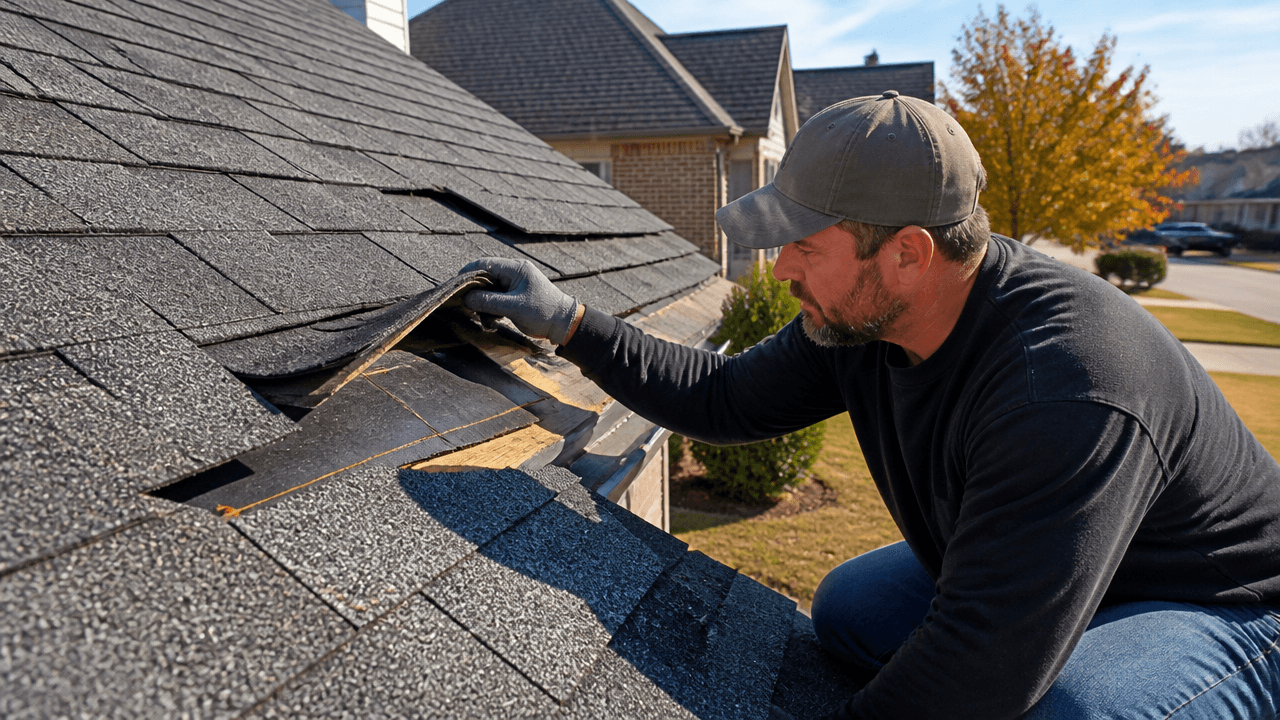
Underlayment sits below the main roofing material and helps guard the roof deck from moisture. If this layer is damaged, thin, or the wrong fit for the roof, small issues can turn into bigger repairs. Homeowners who wait too long may find that a simple fix becomes a more costly problem later.
At Imperial Roofing, we know how quickly roof conditions can change during fall in Fort Worth. Our team works with homeowners who want a roof that can handle rain, wind, and temperature swings with less worry. You can also learn more about our residential roofing services if your home needs more than a quick look.
Choosing the Right Layer for Your Roof
Not every roof needs the same type of underlayment, and that is where smart planning makes a difference. Some materials work better in dry stretches, while others give stronger moisture protection when weather is less predictable. The right choice depends on the roof structure, the roofing material, and how much protection the home needs.
A good underlayment helps support the roof during heavy rain and adds another layer of defense if shingles are lifted or damaged. It also helps protect the deck beneath the roof, which can matter a lot when fall storms move through North Texas. We always look at the full roofing system so the underlayment fits the job instead of being chosen at random.
Tips from the Pros
🛠️ Tip 1: Match the underlayment to the roof material
Different roofing systems call for different underlayment choices. A strong match helps the roof perform better and last longer in changing weather.
🌧️ Tip 2: Pick moisture protection that fits fall weather
Fall in Fort Worth can bring rain that comes and goes quickly. A water-resistant layer under the shingles helps protect the roof deck when weather turns wet.
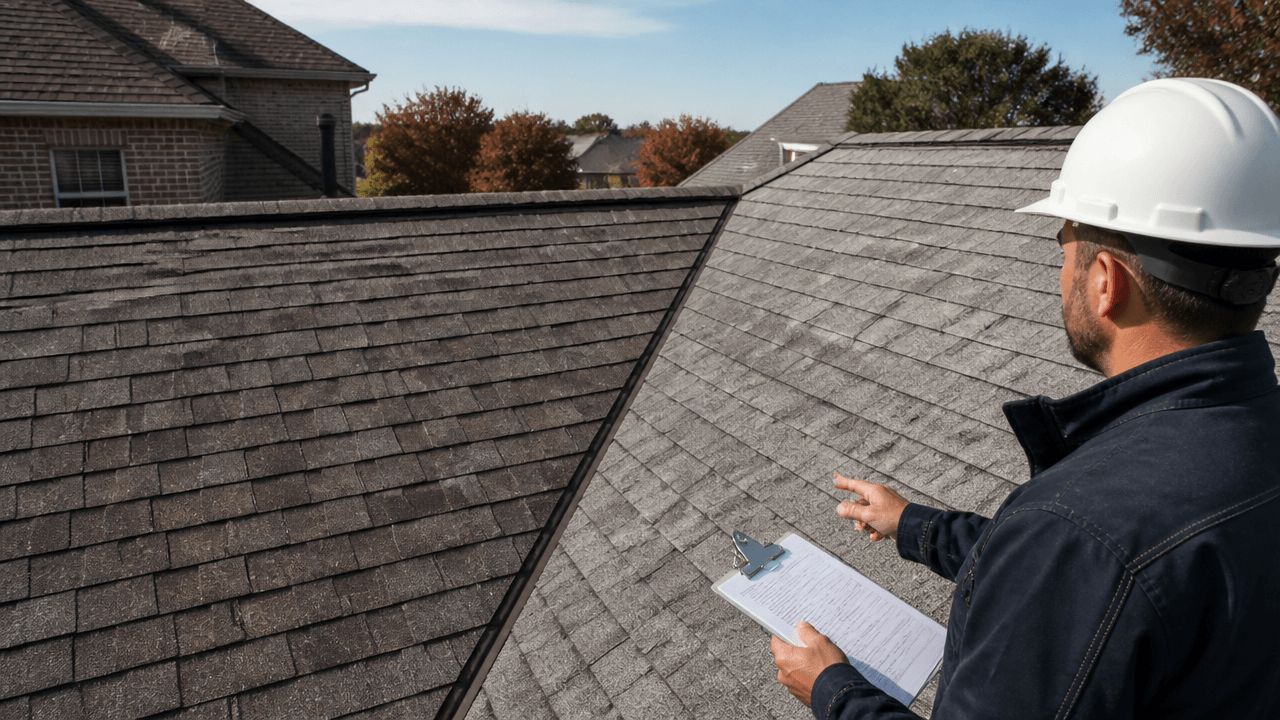
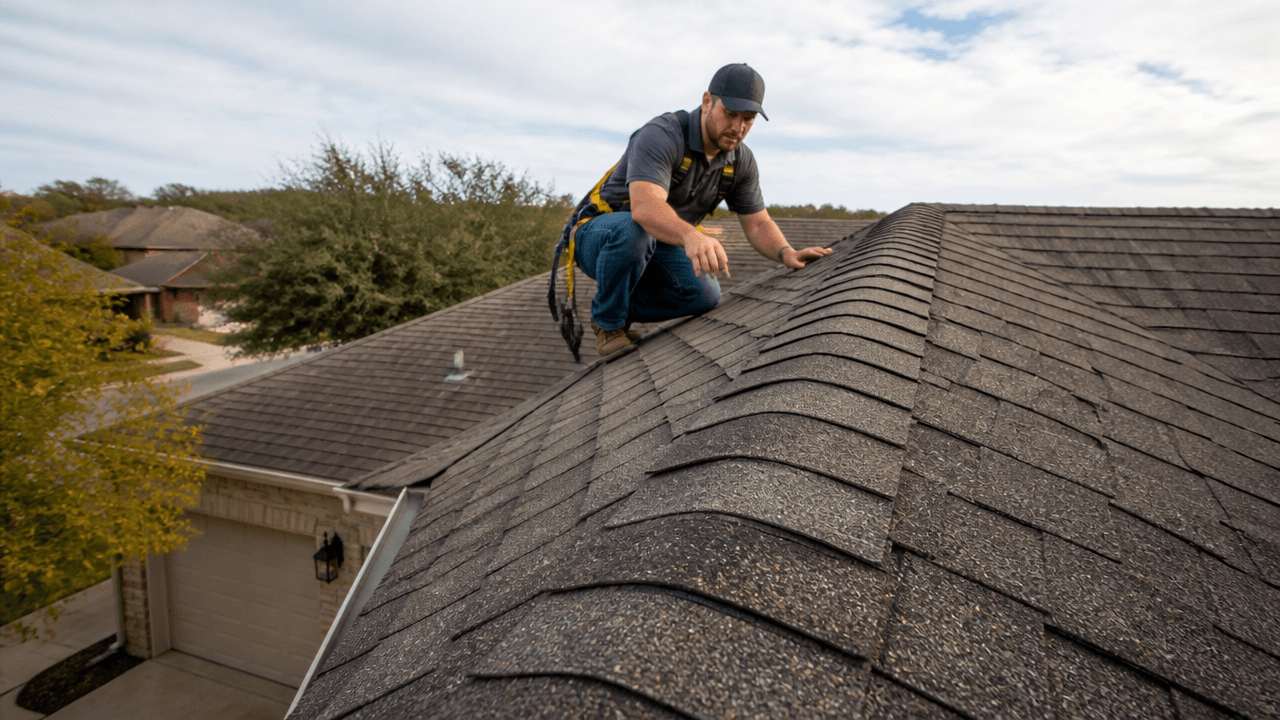
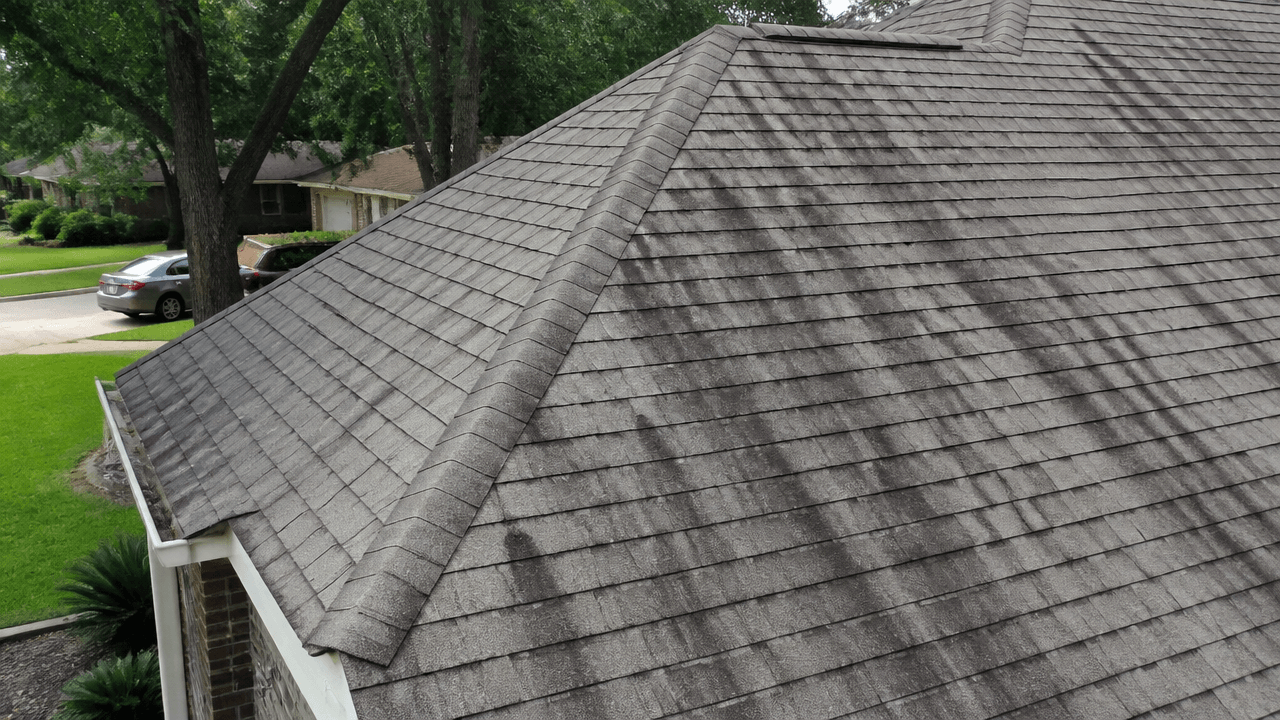
🔎 Tip 3: Check for signs of wear before the season changes
Small tears, soft spots, and lifted edges can weaken the layer under the roof. Catching those problems early can help prevent bigger damage later.
🏠 Tip 4: Do not assume all underlayment is the same
The main roof cover and the layer below it serve different jobs. Knowing the difference helps homeowners make better repair and replacement choices.
📋 Tip 5: Ask about the roof’s full build, not just the surface
A roof can look fine from the outside and still have weak layers underneath. Understanding the full system gives a clearer picture of what the home really needs.
🌡️ Tip 6: Think about temperature swings in Fort Worth
Warm afternoons and cooler nights can stress roofing materials over time. A well-chosen underlayment helps the roof handle those shifts more smoothly.
🧰 Tip 7: Replace damaged sections before they spread
A small bad spot in the underlayment can lead to larger trouble if it is left alone. Fast action often keeps the repair simpler and more affordable.
🏗️ Tip 8: Work with a roofer who understands local conditions
Local weather patterns matter when choosing roofing layers. A roofer who knows Fort Worth can recommend options that fit both the home and the season.
Frequently Asked Questions
What are roof underlayment types used for?
Roof underlayment types are used to add a protective layer beneath the outer roofing material. They help guard the roof deck from moisture and give the roof extra support when weather gets rough.
Which roof underlayment types are common for homes?
The most common roof underlayment types include felt and synthetic materials. Each one offers different levels of durability, moisture protection, and ease of installation.
Why does fall weather matter when choosing underlayment?
Fall weather matters because rain, wind, and temperature changes can put more stress on a roof. The right underlayment helps the roof handle those changes with less risk of hidden damage.
Can underlayment help if shingles are damaged?
Yes, underlayment can help by adding a backup layer of protection when shingles are missing or damaged. It is not a replacement for roof repair, but it does help limit exposure to moisture.
How do I know if my roof underlayment needs attention?
You may need roof underlayment types checked if you notice leaks, staining, or signs of roof wear. A roof inspection can help find problems before they turn into larger repairs.
Final Thoughts on Roof Protection
Choosing the right underlayment is one of the smartest ways to protect a roof before seasonal weather creates more stress. When the layers under the shingles are in good shape, the whole roofing system has a better chance of lasting longer and performing well. That is especially important in Fort Worth, where fall weather can change quickly.
If you want a roof that is ready for the season ahead, our team is here to help with honest guidance and dependable work. We are proud to serve local homeowners who want real answers and lasting roof protection, and you can follow us on social media for more updates from Imperial Roofing.