• Multi-family roofing inspection explained in simple terms: learn what inspectors look for, why timing matters, and how small roof issues can affect an entire property.
• Get 7 practical tips for spotting roof wear early, checking drainage, and finding warning signs before leaks turn into costly repairs.
• See how regular roof checks help Austin property owners protect residents, reduce damage, and stay ahead of seasonal weather changes.
Why Multi-Family Roof Checks Matter in Austin
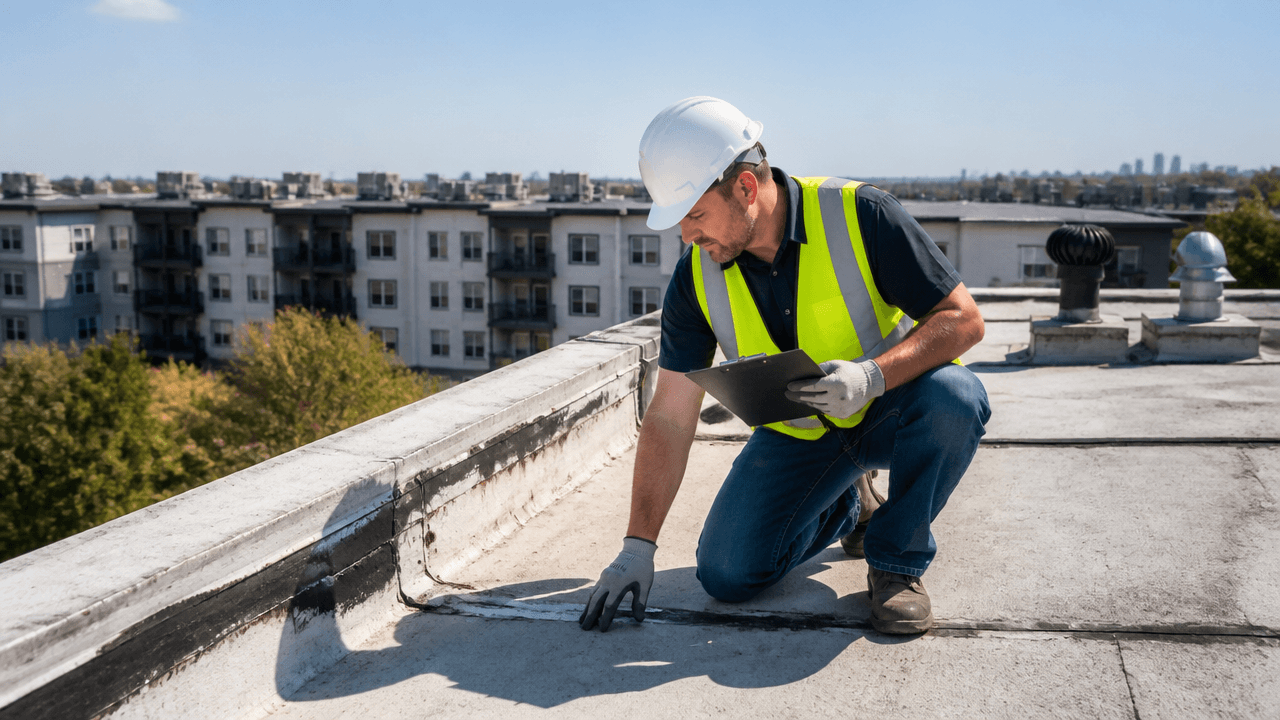
In Austin, fall weather can still bring sharp sun, sudden rain, and quick shifts that test a roof fast. For property owners and managers, multi-family roofing inspection explained is not just a topic to read about; it is a step that can help stop small issues from turning into costly repairs. A missed problem on one building can affect many units, so timing matters. That is why we treat roof checks as part of smart property care, not a last-minute fix.
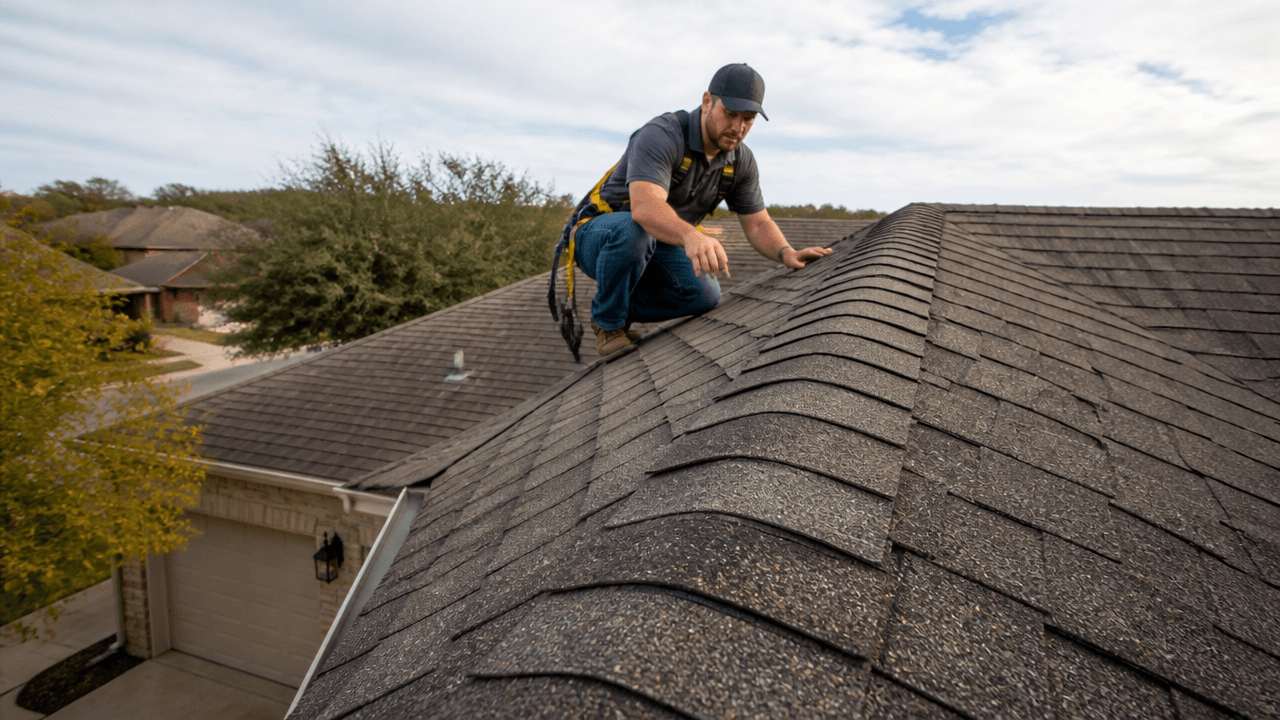
When we inspect a multi-family roof, we look for signs that are easy to miss from the ground. Loose flashing, clogged drainage points, surface wear, and early leaks can all hide until the damage spreads. If your property also needs wider building support, our team at general contracting services can help align roof work with other repairs. The goal is to catch issues early and keep residents protected.
In a multi-unit setting, one roof problem can become a bigger issue in a very short time. Water intrusion can move through ceilings, walls, and shared spaces before anyone notices the source. That makes regular checks a smart habit, especially when the season changes. We focus on clear signs, practical steps, and fast action so owners can stay ahead of trouble.
What We Look For During Roof Checks
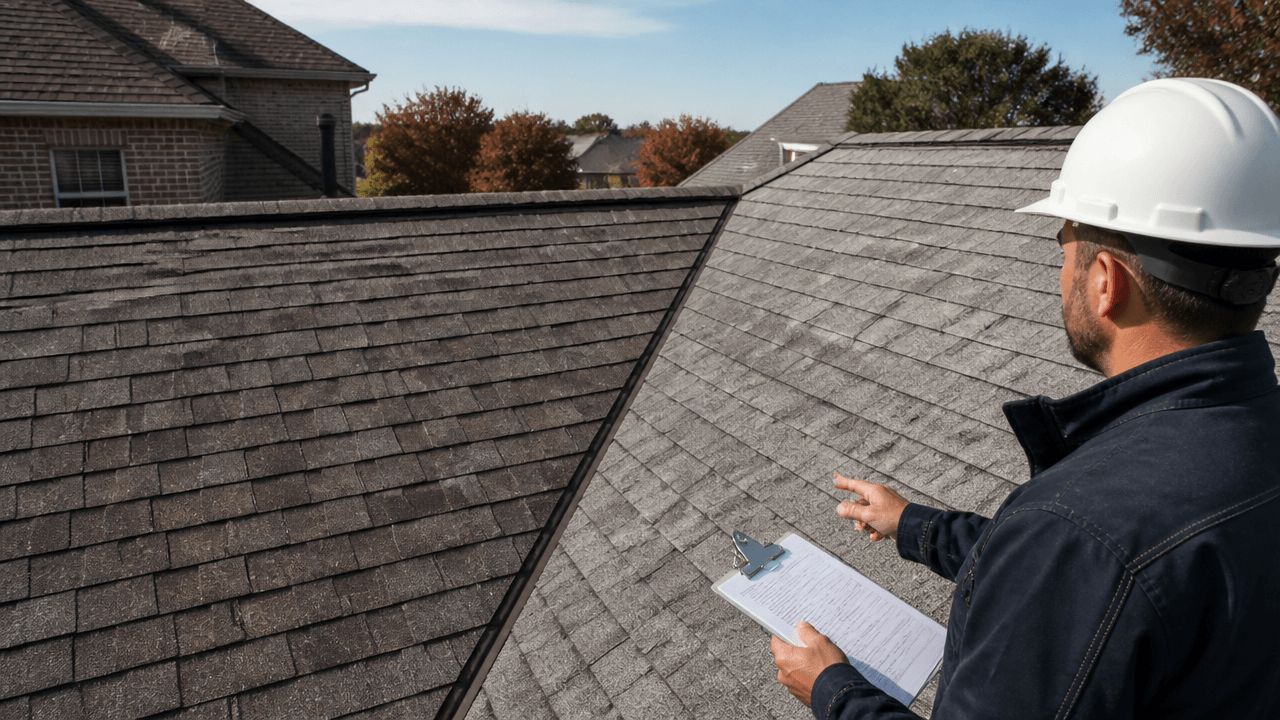
A strong inspection starts with a careful look at the roof surface and all the details around it. We check seams, flashing, drainage paths, penetrations, and areas where wear often shows up first. If a property has larger roofing needs, our commercial roofing services support buildings that need more structured care. This process helps us spot the early warning signs before they turn into major repairs.
We also look at the inside of the building when needed, because stains and moisture marks can point to roof trouble above. A good inspection is not just about seeing damage; it is about finding the cause and understanding how far it has spread. In Austin, heat and seasonal rain can speed up wear, so roofs should be checked with local conditions in mind. That is the best way to keep a multi-family property protected and ready for the months ahead.
Tips From The Pros
🔎 Tip 1: Check for Visible Wear Early
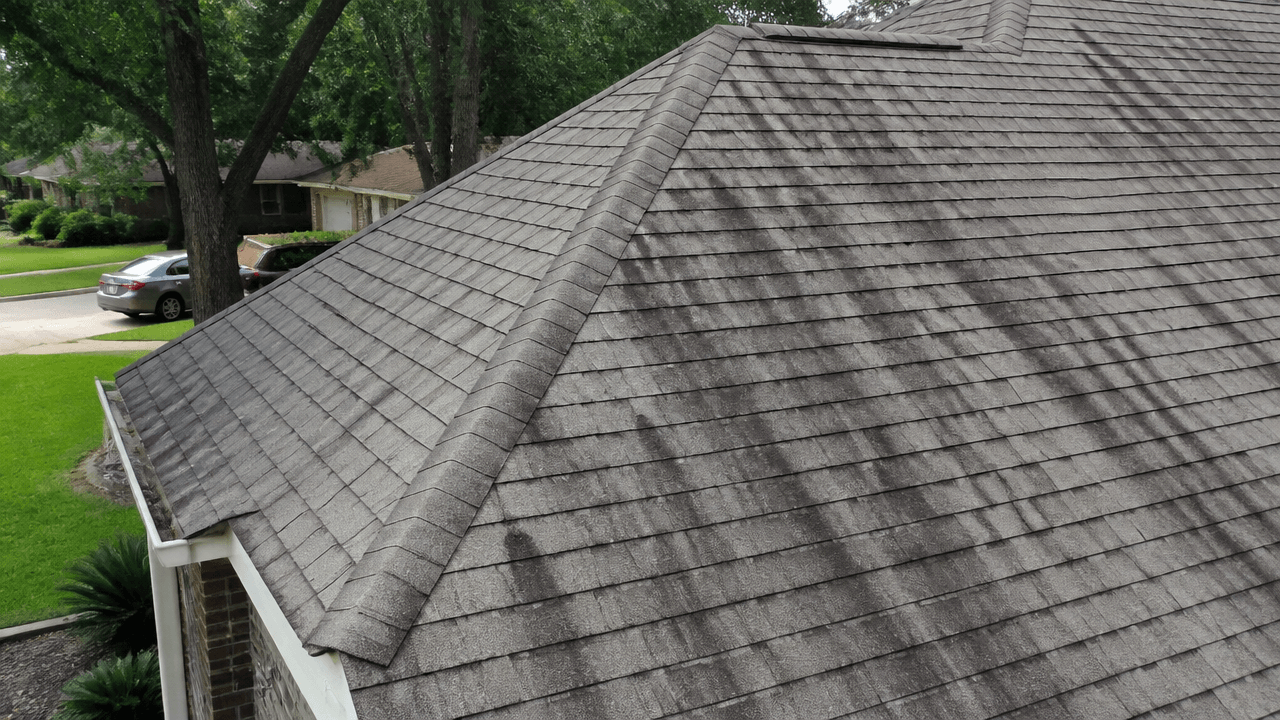
Look for curling, cracking, or missing roofing materials before the damage spreads. These are often early signs that the roof needs attention, especially after strong sun and heavy rain.
🌧️ Tip 2: Watch for Drainage Problems
Keep an eye on drains, gutters, and downspouts so water can move off the roof properly. Standing water can add stress to roofing materials and increase the chance of leaks.
📋 Tip 3: Inspect Around Roof Penetrations
Pay close attention to vents, pipes, skylights, and HVAC openings. These areas are common weak spots because sealing materials can wear down faster there.
🛠️ Tip 4: Look for Interior Warning Signs
Check ceilings, attic areas, and upper walls for stains, peeling paint, or damp spots. These signs can point to roof issues even when the outside roof still looks fine.
☀️ Tip 5: Consider Austin’s Weather Patterns
Heat can dry out roofing parts, while seasonal rain can expose hidden trouble. In Austin, both conditions can work together to speed up roof wear on multi-family buildings.
🧰 Tip 6: Review Roof Edges and Flashing
Edges and flashing often take a lot of stress during wind and weather changes. If these parts loosen or crack, water can enter quickly and cause damage below.
🏢 Tip 7: Schedule Checks for Shared Properties
Multi-family buildings need roof care because one problem can affect many residents at once. Regular inspections help managers catch small issues before they become building-wide concerns.
⏱️ Tip 8: Act Fast on Small Issues
Even a small crack or loose section should be addressed right away. Quick action helps reduce repair costs and lowers the chance of hidden water damage.
Frequently Asked Questions
What does a multi-family roof inspection include?
A multi-family roof inspection includes a careful check of the roof surface, flashing, drainage areas, and common wear points. It may also include a look at interior signs of moisture if a leak is suspected.
How often should a multi-family roof be inspected?
A multi-family roof should be inspected at least once a year and after major storms. In a place like Austin, regular checks are smart because heat and rain can wear roofing materials faster.
What are the warning signs of roof damage?
Yes, there are clear warning signs such as water stains, missing roofing material, clogged drainage, and loose flashing. These signs often show that a roof needs attention before the damage gets worse.
Why is multi-family roofing inspection explained so often for property owners?
It is often discussed because multi-family buildings have more people and more risk if a roof problem is missed. A single leak can affect several units, so early inspection matters more than in a smaller building.
Can roof problems spread between units?
Yes, roof problems can spread into multiple units through ceilings, walls, and shared spaces. That is why fast inspection and repair are important for protecting the whole property.
Closing Thoughts for Property Owners
A roof inspection is one of the simplest ways to protect a multi-family property from larger repair needs later. When we stay ahead of wear, leaks, and drainage issues, we help keep residents safe and the building in better shape. That is the real value behind multi-family roofing inspection explained in plain terms.
In Austin, seasonal changes can put extra stress on roofing systems, so timing matters as much as the inspection itself. We believe property owners should treat roof care as a regular part of building maintenance, not an afterthought. To keep up with our latest work and updates, follow us on social media.