• Discover essential differences between residential and commercial roofing, including design, materials, and installation.
• Learn how to spot warning signs, evaluate costs, and understand the impact of Plano’s climate on your roofing choices.
• Avoid common DIY mistakes and find out why professional roofing services offer the best solutions for long-term satisfaction.
Recognizing the Red Flags in Roofing
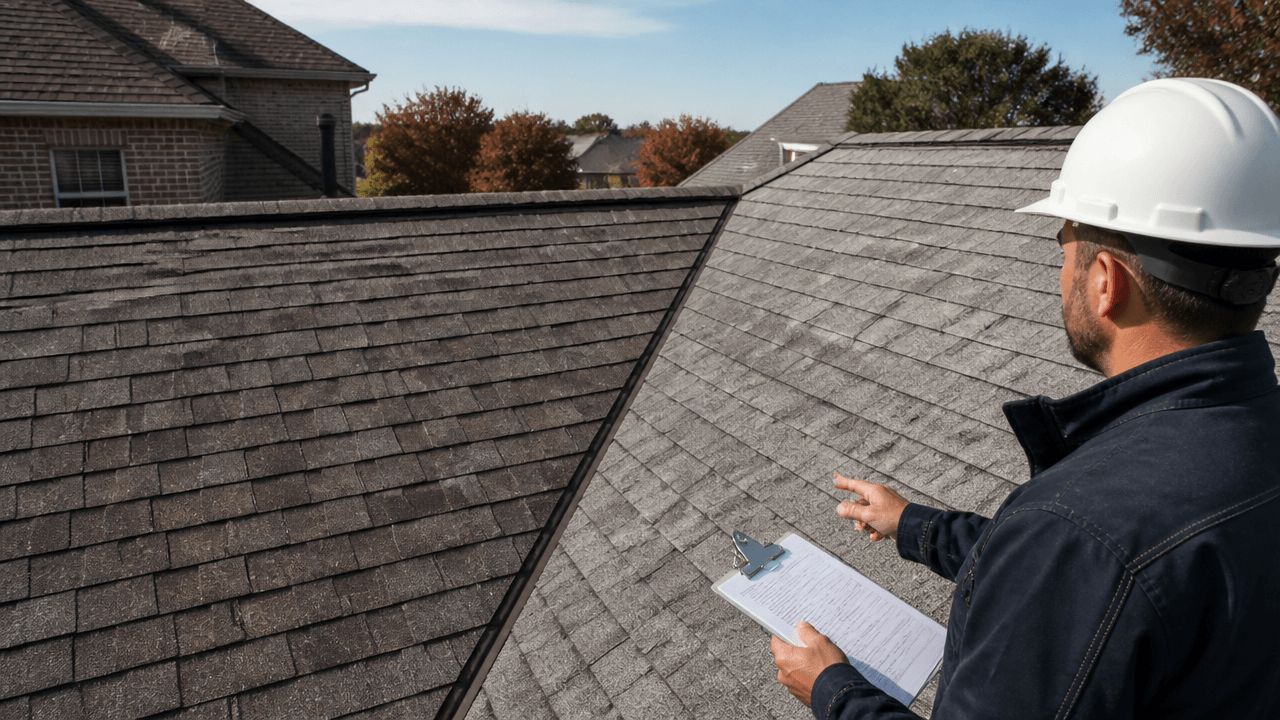
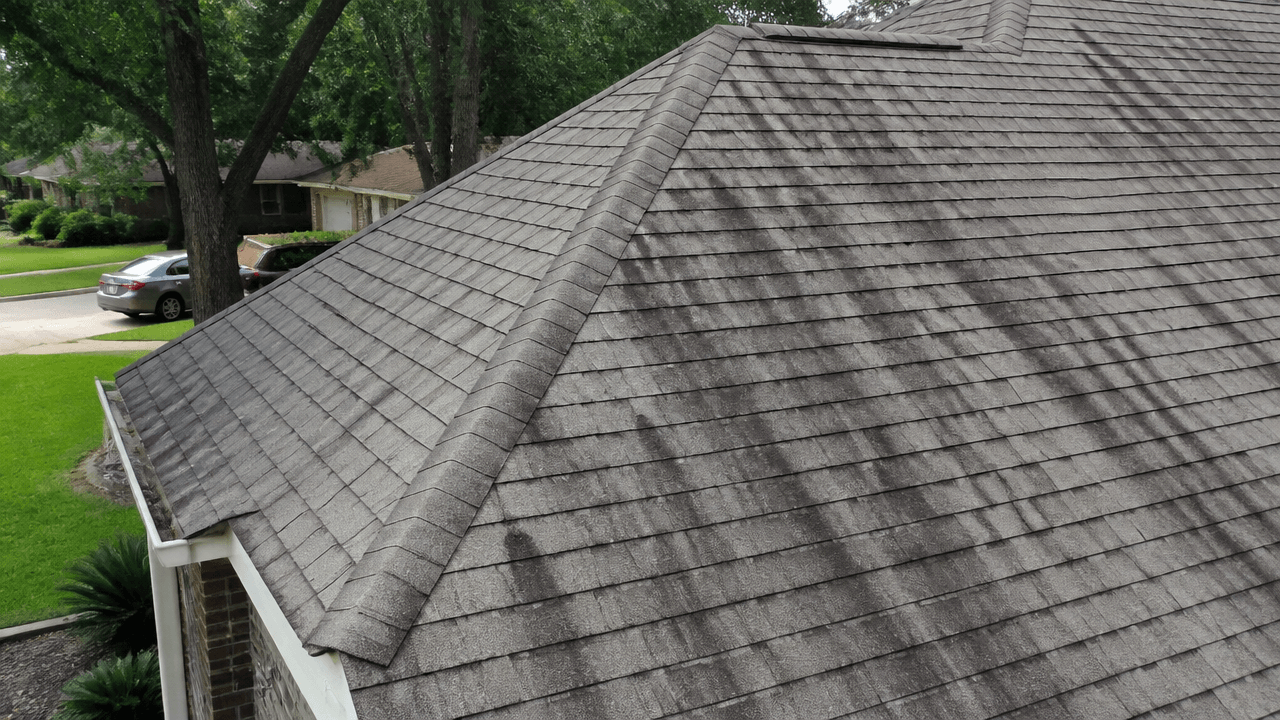
As a homeowner or commercial property owner, spotting early signs of roof distress can save you from costly repairs or replacements. Whether it’s the residential slope or the vast expanse of a commercial flat roof, each type demands attention to detail. When inspecting your roof, be wary of curled shingles or visible leaks, which signal the urgency for maintenance or potentially complete overhaul. Observing these small signs can prevent you from facing the larger headache of water damage, insulation problems, and structural concerns.
Materials Matter: Weighing Your Roofing Options
The choice of roofing materials shapes the durability and performance of your shelter, particularly under the weather conditions of Plano, TX. Longevity, thermal performance, and resilience against the elements hinge greatly upon whether you select asphalt shingles, metal panels, or single-ply membranes. As your comparative guide to residential vs commercial roofing unfolds, understand how the wrong material choice can lead to premature degradation and increased financial burden. Considering this, it’s paramount you invest time in evaluating options that marry well with local climate demands and architectural styles.
The Importance of Proper Installation
Even the best materials can fail if improperly installed — a reality that is especially true for the broad spectrum of roofing systems. For residential roofs, look for symmetrical patterns and sealed flashings; these are indicators of a quality installation job. In commercial settings, the correct application of a waterproof membrane and adequate drainage are hallmarks of craftsmanship. Keep in perspective that a roof’s integrity and its ability to provide protection reside fundamentally in the efficiency of its installation process.
Maintenance and Durability: The Lifeline of Your Roof
Ensuring the longevity of your roof starts with regular maintenance and timely repairs. For residential roofs, this could mean annual inspections and prompt replacement of damaged or worn shingles. Commercial roofs, on the other hand, often require specialized attention to avoid the costly consequences of neglect, such as reinforcing the seams to prevent leakage. Both types, when properly maintained, can provide years of reliable protection, standing firm against the summer storms typical in Plano, TX.
Roofing in the Heat: Preparing for Plano’s Summers
The intense Texas sun is both a challenge and a deciding factor in the choice and upkeep of your roofing system. Materials like metal that reflect sunlight can dramatically reduce cooling costs and withstand the summer heat, providing a clever investment in cost-effectiveness. As you navigate the various services offered, like those on Imperial Roofing’s website, consider how the local climate impacts your material choice and maintenance plan. An informed selection can greatly enhance your roof’s capacity to endure the seasonal extremes, ensuring your comfort and the building’s structural integrity.
Step 1: Understand the Basics of Roofing
Begin with a clear explanation of foundational roofing concepts, covering both residential and commercial structures. Discuss differences in design, structural support, and typical materials used.
Step 2: Evaluate Roofing Materials
Delve into a comparative analysis of roofing materials common to both residential and commercial roofs. Include how the choice of material impacts longevity, maintenance, and cost.
Step 3: Assess Installation Techniques
Provide insights on the distinct installation processes for residential compared to commercial roofs. Highlight how techniques vary based on roofing types and material selections.
Step 4: Analyze Maintenance and Durability
Discuss the maintenance requirements necessary to preserve the integrity of residential and commercial roofs. Explain how proper maintenance contributes to the roof’s durability.
Step 5: Consider the Climatic Impact
Explain how different roofing types respond to the seasonal weather patterns in Plano, TX, particularly during the intense summer heat.
Step 6: Examine Cost Implications
Outline a cost comparison, considering installation, maintenance, and potential energy savings. Provide advice on budgeting for both residential and commercial roofing projects.
Step 7: Discover the Latest Roofing Technologies
Introduce emerging roofing technologies and materials that benefit both types of roofing, focusing on sustainability and energy efficiency.
Step 8: Make an Informed Decision
Summarize the key points to consider when choosing between residential and commercial roofing solutions, helping homeowners and business proprietors in Plano, TX, make an educated decision.
Avoiding Common Roofing Mistakes
When tackling roofing work, it’s easy to fall into traps that can lead to long-term problems and additional expenses. Whether you’re attempting a DIY fix or overseeing the installation of a new roof, being aware of frequent missteps is key. This part of the guide will highlight some common errors and provide advice on how to sidestep them, rooted in the basic roofing principles we’ve outlined.
– Mistake 1: Choosing Low-Quality Materials for Cost Savings
Often, property owners opt for the cheapest materials to save on immediate costs. This mistake can lead to higher expenditures in the long run due to increased maintenance needs and a shorter lifespan of the roof. Always balance initial costs with potential longevity and durability; sometimes, investing a bit more upfront can prevent frequent repairs or full replacements.
– Mistake 2: Neglecting Local Climate Considerations
Ignoring Plano’s summer heat when selecting roofing materials and designs is a critical oversight. The right choices will reflect the sun’s heat and resist UV damage, which can have a significant impact on your roof’s performance. Make sure to evaluate materials and installation techniques in light of local weather patterns to ensure your roof can withstand the specific challenges it will face.
– Mistake 3: Improper Installation Practices
Even the best roofing materials will fail if they aren’t installed correctly. Skewing away from proven installation techniques can compromise a roof’s integrity and lead to leaks or structural damage. Stick to established methods and consider professional installation; roofs are complex systems that benefit from expert knowledge and precision.
– Mistake 4: Inadequate Maintenance and Inspections
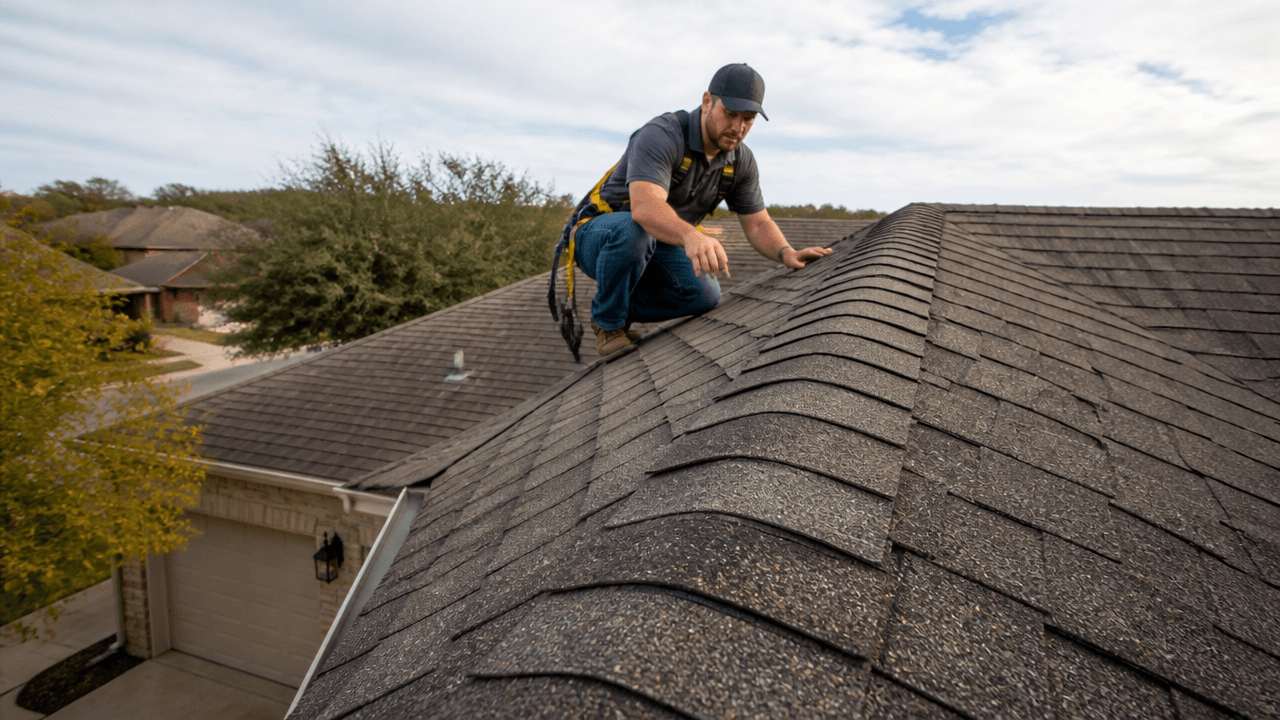
A common error is to ‘set and forget’ a roof after installation. Regular maintenance is crucial for both residential and commercial roofs, helping to catch issues early and extend the roof’s life. Establish a regular inspection schedule, especially after intense weather conditions, and address any minor issues before they escalate to major problems.
Cost Considerations in Roofing
When budgeting for a new roof, whether for your home or business, understanding the financial commitment is crucial. Initial costs are just the beginning; long-term savings from energy-efficient materials and designs often offset the upfront investment. Exploring options with a reputable provider like Imperial Roofing can guide you towards choices that balance cost with structural and thermal performance.
Embracing New Roofing Technologies
Advancements in roofing technology are reshaping the industry, offering both residential and commercial clients options that prioritize sustainability and energy efficiency. By choosing the latest materials, like cool roofing or photovoltaic solar panels, property owners can reduce their environmental impact while also cutting energy costs. It’s worthwhile to stay informed about emerging trends and materials that combine functionality with eco-friendliness, to make the most future-proof investment in your property’s roofing.