• Spotting Concerns: Easily identify and address issues with your historic home’s roof
• Expert Solutions: Learn how to choose the right materials and hire skilled professionals for durable roofing
• Avoid DIY Disasters: Understand common mistakes in roofing historic homes and how to prevent them
Recognizing the Signs: Does Your Historic Home Need Roofing Attention?
Welcoming a historic home into your life is like becoming the keeper of a rich story. But with time, even the sturdiest chapters of history may show signs of wear, especially the roof—your home’s protective crown. Cracked or missing tiles, a silent testimony to the years gone by, are the most glaring indicators that it’s time for repair or replacement. Yet, it’s not just visible damage you need to worry about; subtle hints like a slight sag in the roofing line can signal more serious, underlying structural concerns.
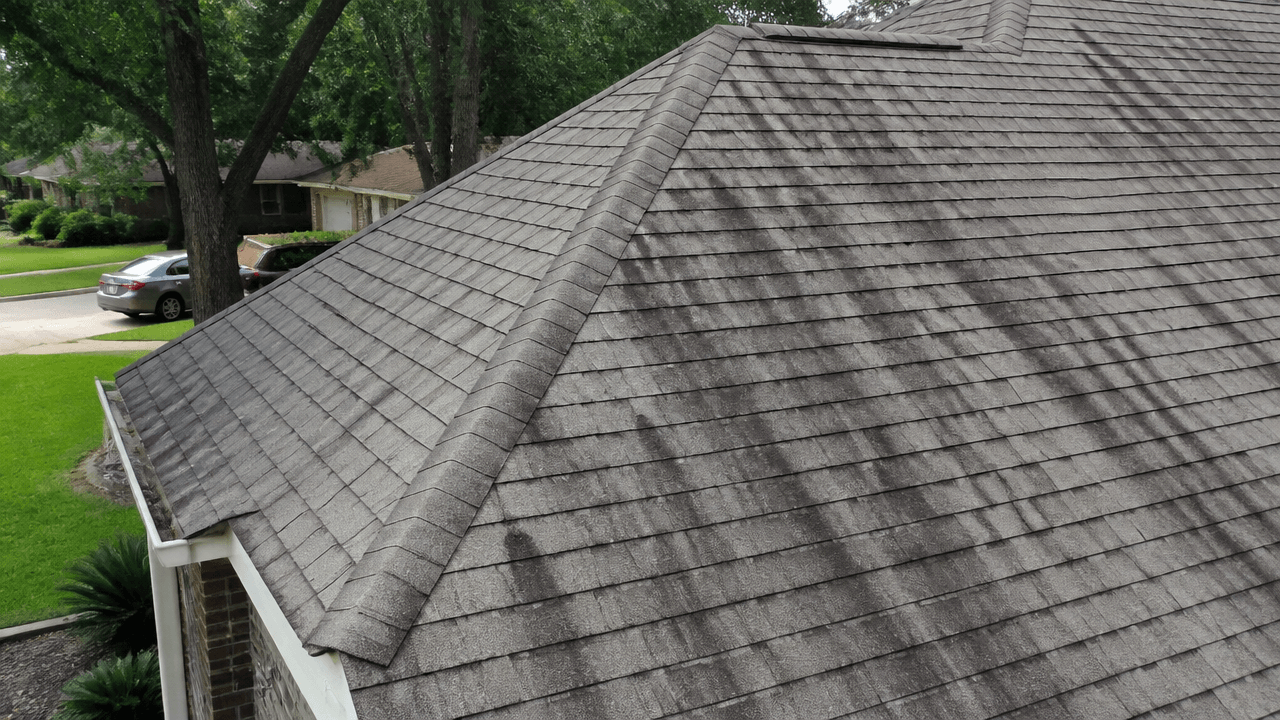
As seasons march on, the roofing of historic homes in Texas faces the unyielding summer sun and occasional fierce storms. It’s not uncommon to notice discoloration in certain areas—sometimes a narrative of past repairs patchworked across years. During your assessment, if you encounter areas where the roof feels soft or if there’s a bounce underfoot, this could point to water damage or rot needing immediate attention. Historic homes are particularly prone to such afflictions, where modern waterproofing techniques weren’t part of the original construction.
Inside your home, the attic can reveal volumes about the health of your roof. If daylight peers through the boards, it’s a clear call to action. The presence of water stains on the beams or insulation also betrays issues that, left unchecked, can lead to much more than cosmetic damage. Don’t wait for the symptoms—like mold or a musty smell—to become resident in your living spaces; these red flags urge a prompt response to safeguard the structural integrity and historical value of your home.
Step-by-Step Preservation: Roofing for Historical Homes
When antiquity and architecture intertwine, each repair on your home must be thoughtfully approached, and roofing is no exception. Understanding the historical significance of your property is crucial, setting the stage for a roofing solution that respects its past. Start by delving into records or contacting local historical societies; this groundwork offers a blueprint for the appropriate roofing materials and methods that align with your home’s era and style. It’s not just about aesthetics; it’s about ensuring that the renovation story is in harmony with the original narrative of your home.
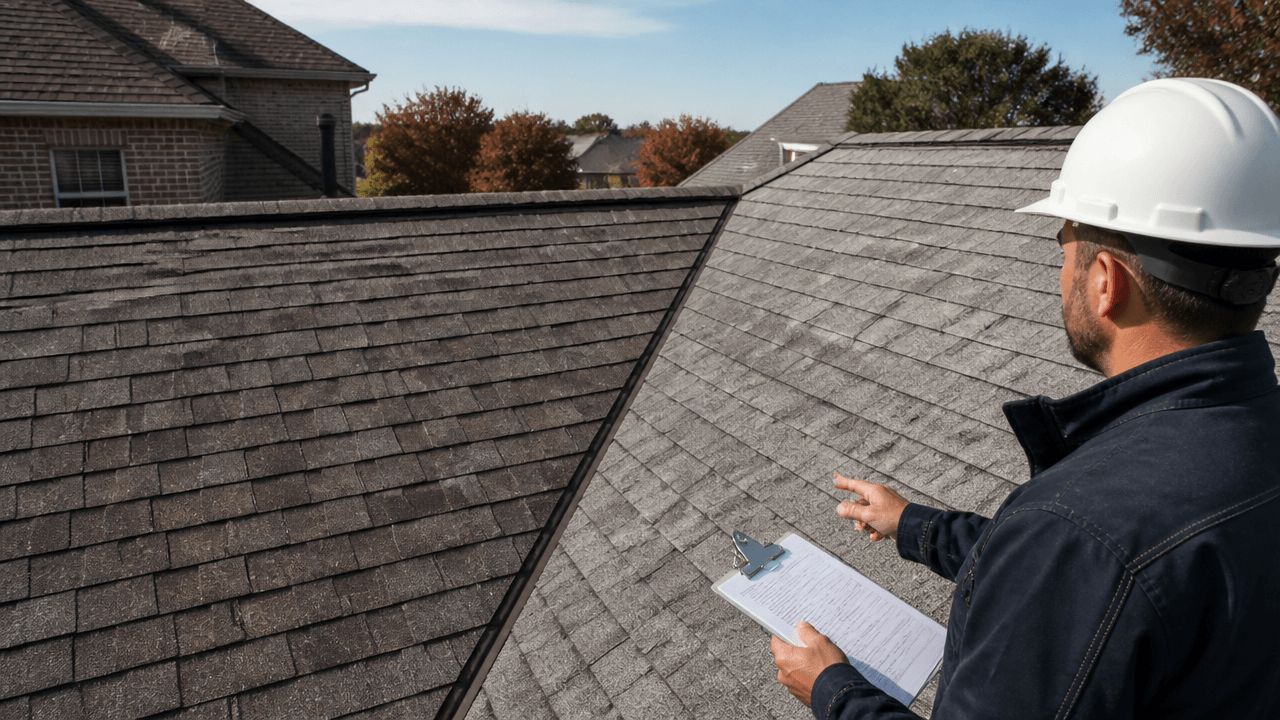
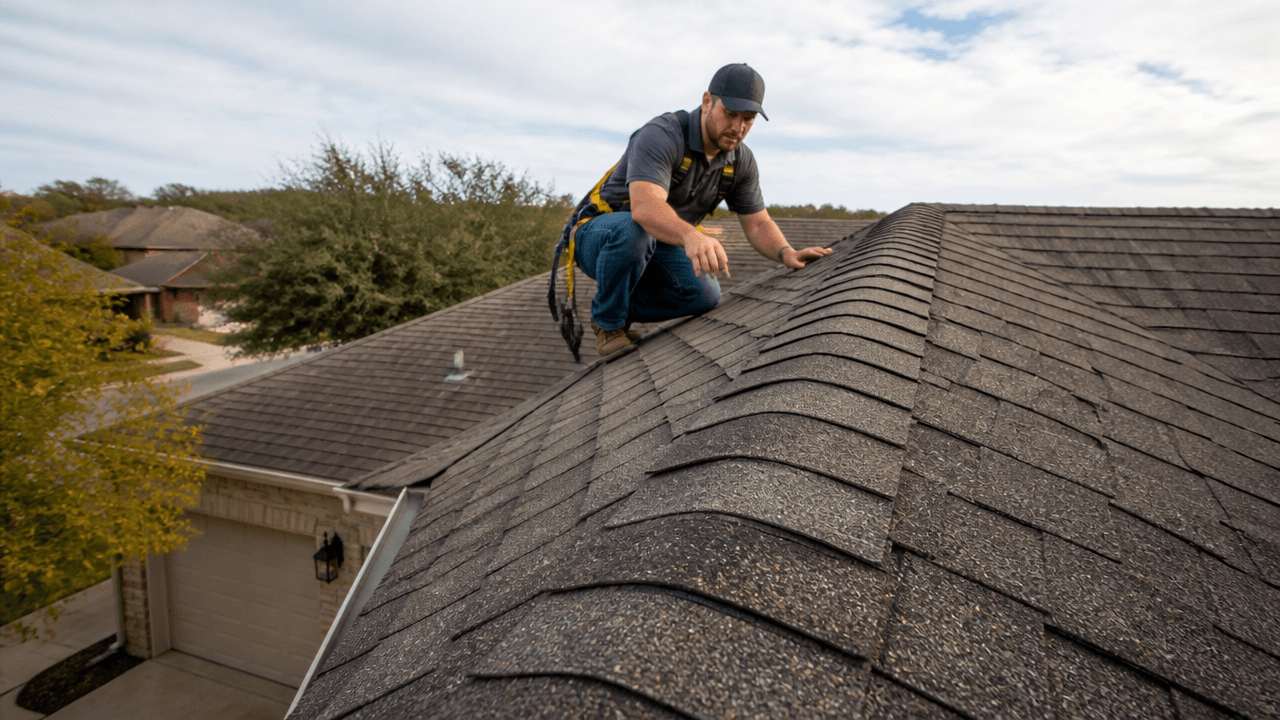
Next comes the meticulous inspection of your current roofing state—an essential step to grasp before moving forward. Assessing your roof involves more than a glance at its surface; it requires examining for leaks, checking for proper insulation, and ensuring ventilation systems are intact. Imperial Roofing offers expertise in handling the delicacies of historic home maintenance, with specific services designed to preserve the essence of your residence. A detailed inspection from a trusted professional not only reveals current damages but also predicts potential future concerns, allowing for a comprehensive care plan.
Step 1: Assess the Historical Significance
Begin by understanding the historical value of your home. Research the period it was built in, architectural style, and any restoration work it has undergone. This will inform your choice of roofing solutions that adhere to local preservation guidelines.
Step 2: Inspect the Existing Roof
Conduct a thorough inspection of your current roof, identifying signs of wear, damage, or previous repairs. Pay special attention to issues common in historic homes, such as inadequate ventilation or structural instability.
Step 3: Choose Compatible Materials
Select roofing materials that complement the architectural integrity of your historic home. Options may include reclaimed or reproduction tiles and shingles that replicate the original look while providing modern protection.
Step 4: Seek Out Skilled Craftsmanship
Hire a roofing contractor with experience in historic renovations. They should have a portfolio of similar projects and an understanding of the specialized techniques required for historic homes in Texas.
Step 5: Obtain Necessary Permits
Check with the local preservation officers and obtain any permits needed for roofing work on historic structures. This ensures that all renovations meet the specific regulations of Austin, TX.
Step 6: Prepare for Weather Challenges
Plan your roofing project around the Texan weather patterns, particularly the summer heat. Schedule work for cooler parts of the day and use materials suited to withstand the region’s weather extremes.
Step 7: Incorporate Modern Upgrades Cautiously
Consider integrating modern roofing technologies to enhance energy efficiency and protection. However, ensure that these upgrades do not compromise the historic character of your home.
Step 8: Regular Maintenance and Inspections
After installation, establish a routine of regular maintenance. Annual inspections can help preserve the longevity of your roofing solutions, keeping your historic home in Texas protected for years to come.
Common Pitfalls in Historic Roofing Projects and How to Avoid Them
While the initiative of DIY roofing on a historic home can be admirable, it’s a challenging endeavor fraught with potential mistakes. These errors can result in damage that contradicts the very essence of historical preservation. To protect your heritage and your home, it’s essential to be aware of these common missteps and understand how to sidestep them.
Mistake 1: Ignoring Local Preservation Guidelines
– Many DIYers leap into roofing without consulting local preservation statutes, risking noncompliance and potential legal issues. Prevent this by engaging with preservation committees and ensuring all modifications meet local standards.
Mistake 2: Using Inappropriate Materials
– Choosing modern materials that clash with the historical integrity can lead to a loss of authenticity. Source materials that reflect the period of your home, possibly considering reclaimed or approved reproduction options.
Mistake 3: Skimping on Professional Expertise
– Underestimating the complexity of roofing historic homes can lead to amateur errors. Avoid this by hiring professionals with a demonstrated track record in historic roofing projects.
Mistake 4: Overlooking Weather Patterns
– Texas weather presents unique challenges that require thoughtful planning. Schedule roofing work during suitable seasons and select materials designed for local climate resilience.
Mistake 5: Failing to Secure Necessary Permits
– Bypassing the permit process can lead to stop-work orders and fines. Always obtain the proper permits before embarking on roofing work for historic homes.
Mistake 6: Neglecting Regular Maintenance
– A common oversight after project completion is ignoring regular maintenance. Establish and adhere to a schedule of routine inspections to ensure continued protection of your roofing investment.
Choosing the Right Materials and Expertise
In the quest for authentic roofing solutions, the materials you choose play a lead role in preserving your historic Texas home’s narrative. It’s a blend of tradition and resistance against time; therefore, sourcing materials that echo the home’s original era is paramount. Imperial Roofing’s expertise in reclaimed and reproduction shingles ensures your historic property won’t just look the part—it will be part of a legacy.
Equally critical is the craftsmanship that brings your roofing project to life. The delicate task of installing a roof on a historic house demands a contractor with hands shaped by experience and a portfolio that boasts a deep understanding of such esteemed projects. Your chosen experts must not just know their trade—they must feel the history in every shingle and nail they lay down.