• Understand the unique challenges of water management on low slope roofs and why professional help is paramount.
• Discover the critical steps and considerations involved in implementing an effective water management system.
• Learn about the latest techniques and materials that can ensure the longevity and safety of your low slope roofing.
Identifying Water Management Issues on Low Slope Roofs
Detecting Early Signs of Trouble
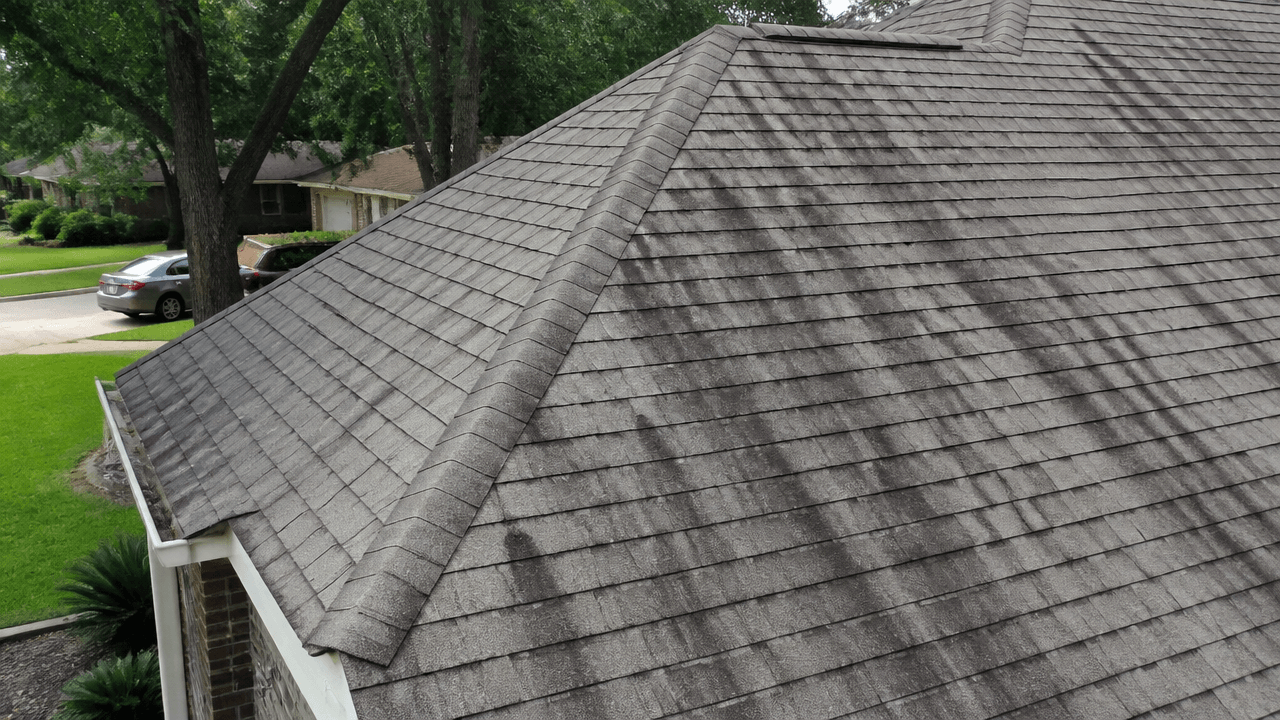
In Dallas, TX, where the weather can be a roof’s greatest adversary, spotting the early signs of water management issues on low slope roofs could save you from costly repairs. Standing water is a glaring red flag, often a result of poor drainage, indicating that water is not effectively being channeled away from your property. Discoloration or water stains along ceilings or walls can betray leaks that compromise the integrity of the roofing system. Ensuring that each of these concerns is addressed promptly can significantly extend the life of your roof and protect your investment.
Prioritizing Drainage and Debris Removal
The key to preserving a healthy roof involves regular cleaning of gutters and drainage systems. It’s essential that these pathways remain unobstructed by leaves, twigs, or other debris that can accumulate over time, especially after the leaf-shedding fall season. Blockages can spell disaster for water management, leading not only to standing water but potentially engendering structural damage due to the excess weight and moisture. A proactive approach in this cleaning routine can thwart these issues, maintaining your roof’s integrity before problems escalate.
Maintaining Optimal Water Flow
Low slope roofs require carefully engineered drainage solutions, as even minimal water pooling can lead to damage over time. Optimal design and installation of additional drains or scuppers are vital in securing the flow of water away from your roof’s surface. Whichever solutions you adopt, the purpose is steadfast – to avoid water accumulation that low slope roofs are prone to. With careful planning and implementation of these effective water management strategies, the functionality and durability of your roofing system are greatly increased.
Implementing Effective Water Management Practices
Choosing the Right Waterproofing Membrane
Selecting a quality waterproofing membrane is pivotal for any low slope roofing system, as this acts as the primary defense against water penetration. The right membrane not only seals the roof from water but also withstands the harsh Texas sun, which can exacerbate roofing issues. Application should be done with precision, adhering strictly to the manufacturer’s guidelines to ensure the best results. This protective layer is an investment in the longevity of your roof, safeguarding your property from the elements.
Optimizing for Proper Drainage
To prevent the detrimental effects of stagnant water on your roof, it’s imperative to facilitate proper drainage. This is sometimes achieved through creating a slight pitch on the roof surface, guiding the water to designated drainage points. While this may involve some construction, the benefits in improved water management are immense. For more information on this and other water management solutions, don’t hesitate to visit Imperial Roofing for comprehensive services tailored to your needs.
Step 1: Assess Your Low Slope Roof Structure
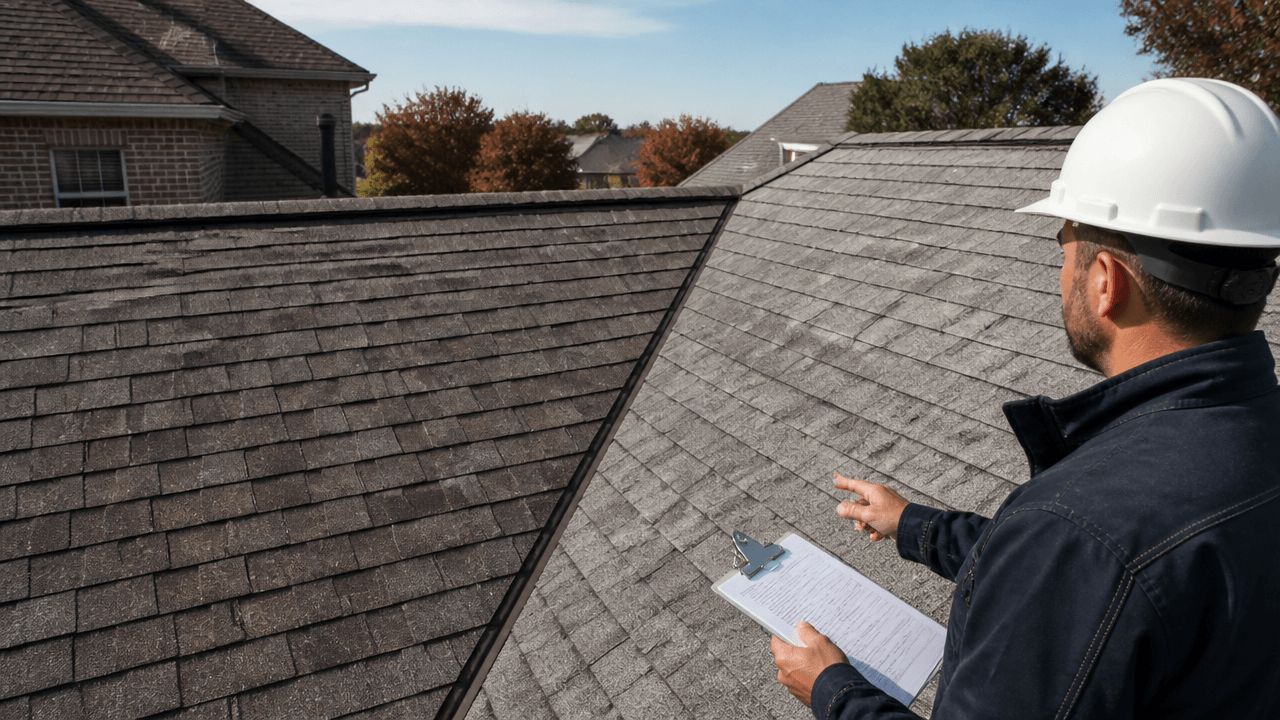
Inspect your low slope roof to determine its current water management state. Look for signs of standing water, water stains, and deterioration. This initial assessment will help identify areas that need attention or repair.
Step 2: Clean Gutters and Drainage Systems
Ensure that all gutters and internal drainage systems are free of debris. This will prevent blockages that can lead to poor water drainage and potential damage to the roof structure.
Step 3: Install Adequate Drainage
Depending on the design of your low slope roof, consider installing additional drains or scuppers to facilitate water flow. The goal is to prevent water accumulation, which can be particularly damaging on low slope surfaces.
Step 4: Apply Waterproofing Membrane
Select a high-quality waterproofing membrane for your roof and apply it according to the manufacturer’s instructions. This acts as a barrier to water infiltration, keeping the roof dry and extending its lifespan.
Step 5: Consider Roof Sloping
Evaluate the feasibility of creating a tapered insulation system that introduces a slight pitch to the roof, encouraging water to flow toward drainage points. This can be an effective water management solution for flat roofs.
Step 6: Regular Maintenance Checks
Establish a routine for regular roof inspections and maintenance. This will help in timely identification and repair of any issues, ensuring the longevity of your water management solutions.
Step 7: Evaluate Vegetation and Green Roofs
For additional water management benefits, consider the installation of a green roof. The vegetation can absorb rainwater, but it requires careful planning to ensure the roof structure can support the added weight and water content.
Step 8: Professional Consultation and Implementation
For all steps, especially if structural changes are needed, seek advice from roofing professionals with experience in water management solutions for low slope roofs. Their expertise will facilitate proper installation and ensure compliance with local building codes.
Avoiding Common Mistakes in Roof Water Management
When undertaking water management solutions for low slope roofs, property owners can sometimes fall into costly pitfalls. Recognizing the most frequent DIY errors can save you time, resources, and ensure the longevity of your roofing system. Avoiding these mistakes is crucial for maintaining a dry and damage-free roof over your head.
Mistake 1: Ignoring Regular Inspections
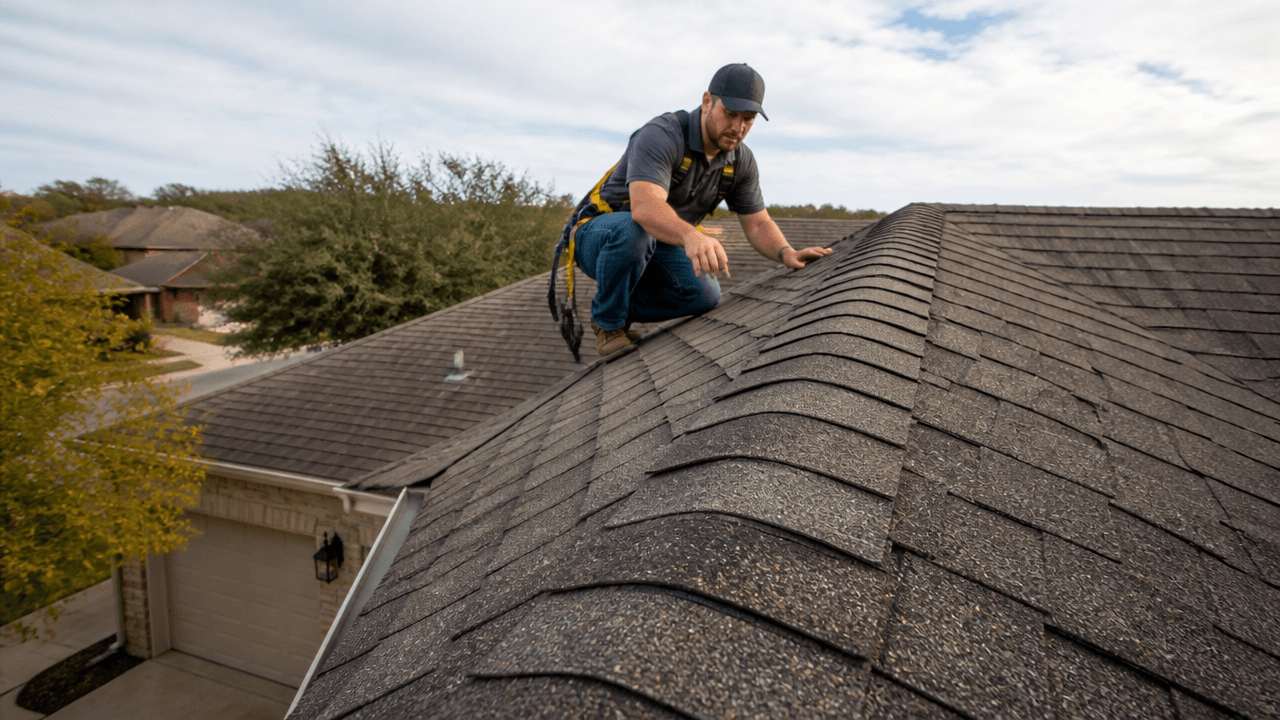
Skipping routine assessments can lead to undetected water damage, which worsens over time. It’s essential to inspect your low slope roof regularly, especially after severe weather, to identify any issues like standing water or water stains that can signal deeper problems.
Mistake 2: Neglecting Gutter and Drain Maintenance
Gutters and drains clogged with leaves and debris can cause water to back up and pool on the roof. Regularly cleaning your drainage systems is necessary to prevent blockages that can lead to structural damage and costly repairs.
Mistake 3: Inadequate Drain Installation
Failing to install appropriate drains or scuppers can result in water accumulation on the roof. It’s crucial to choose the right drainage design for your specific roof to prevent water damage and ensure effective water flow.
Mistake 4: Improper Waterproofing Application
Applying a waterproofing membrane incorrectly can leave your roof vulnerable to leaks. Ensure that you follow the manufacturer’s instructions closely, or better yet, hire a professional to guarantee that the barrier is effectively shielding your roof from water infiltration.
Mistake 5: Overlooking the Importance of Slope Adjustments
Overlooking the significance of roof slope can lead to inadequate water run-off. Consider installing a tapered insulation system to introduce a slight pitch and encourage water towards drainage points, thus avoiding the potential for pooling.
Mistake 6: Irregular Maintenance Schedules
Inconsistent maintenance schedules can cause minor problems to escalate into major concerns. Establish a routine of inspection and upkeep to catch and address roofing issues in their early stages.
Mistake 7: Disregarding Professional Advice
DIY efforts can be commendable, but underestimating the complexity of water management on low slope roofs could lead to bigger problems. When in doubt, seek the experience and knowledge of roofing professionals to ensure that your solutions are not only effective but also compliant with building regulations.
Maintaining the Health of Your Low Slope Roof
Routine Inspections and Maintenance
The key to a long-lasting low slope roof is consistent monitoring and maintenance. Regularly scheduled inspections can catch minor issues before they become major problems, keeping your roof in optimal condition. For specialized maintenance services, consider Imperial Roofing’s expert team to manage all your roofing needs.
Green Solutions and Professional Support
Incorporating green roofing options can provide additional insulation and water management benefits to your low slope roof. However, such installations should be carefully planned and executed by professionals to ensure proper load bearing and maintenance. For advice and implementation of these advanced solutions, it’s best to consult with knowledgeable roofing specialists.