• Step-by-step guide to choosing the right AC system for roof optimization
• Highlights the importance of energy efficiency and compatibility with roofing materials
• Emphasizes consulting with professionals for the best AC installation and maintenance
Recognizing the Warning Signs
Before considering a new AC installation, it’s vital to recognize the early warning signs that your roofing system may not be operating at peak efficiency. If your home struggles to stay cool, or if your energy bills have spiked without explanation, it could be an indication that your roofing and ventilation systems need a closer look. A roof that absorbs too much sunlight without proper ventilation can create an oven-like effect, trapping hot air that your AC unit must work overtime to cool. It’s a subtle but costly issue that many homeowners in Austin, TX may face, especially as the balmy days of fall transition into the cooler months.
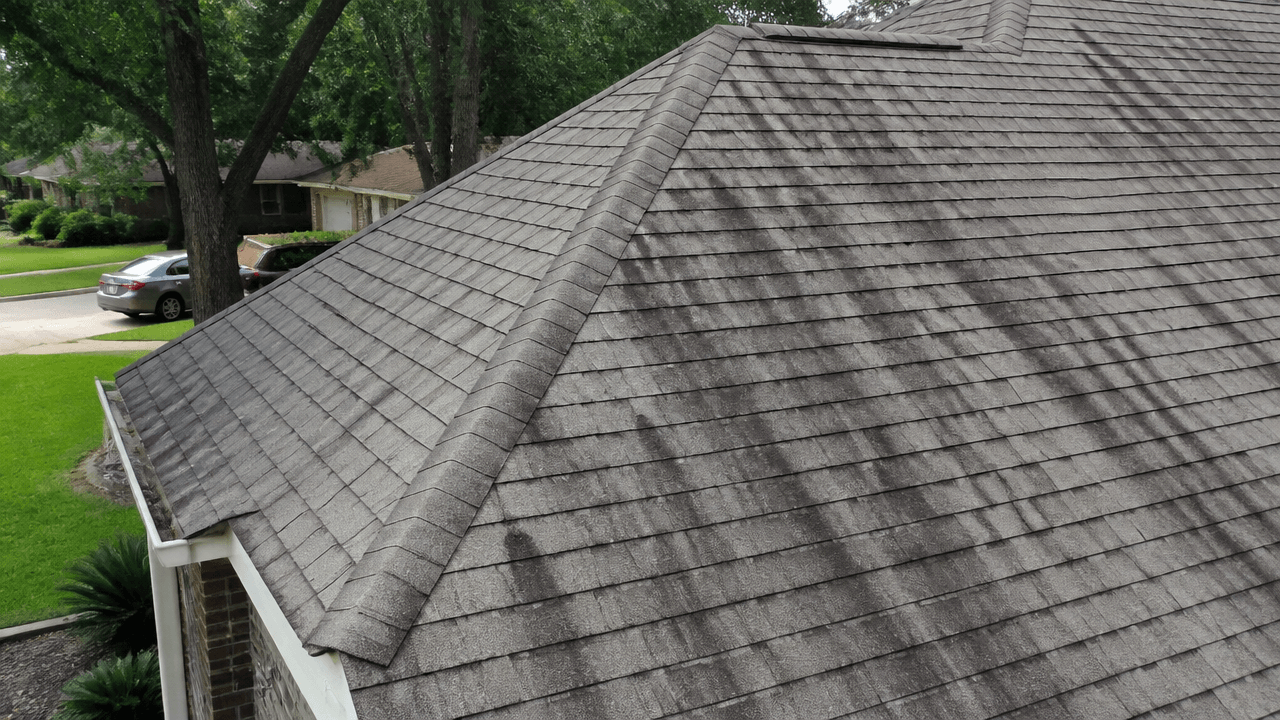
In an attic that’s too warm, you might notice that the heat is intense enough to make it uncomfortable to linger. This is often due to inadequate ventilation or insulation, which can be a significant strain on your AC system. Signs like curled or worn shingles can also suggest that the roof is not reflecting sunlight efficiently, further compounding the issue. You’ll want to assess these aspects critically because they are fundamental to optimizing your home’s cooling system and ensuring that any new AC investment is worthwhile.
Understanding that an effective roofing system goes hand-in-hand with a capable AC unit is essential. If your attic is improperly vented, the result can be a moisture buildup that not only affects air quality but can also lead to structural damage over time. Therefore, an assessment of your roofing’s current state and ventilation is the foundational first step to take. It sets the stage for choosing the right AC systems for roof optimization, which will align with the particular requirements of your home’s architecture and Austin’s seasonal climate.
Choosing the Right AC Systems
Once you’ve identified that your roof and attic ventilation may be affecting your home’s cooling efficiency, the next step is to understand the types of AC systems that are suitable for roof optimization. Central AC units, heat pumps, and evaporative coolers each offer unique benefits that should be matched to your specific roofing materials and design. It’s imperative to select a system that aligns with your home’s cooling demands and your roof’s characteristics to ensure enhanced performance. Central AC systems, for instance, are a popular choice in Austin’s climate due to their ability to cool large spaces efficiently.
Understanding different AC systems isn’t just about cooling capacity; it’s also about seamless integration with your existing roofing structure. Selecting the wrong type of AC can lead to increased wear and tear or even structural complications over time. This is why Imperial Roofing is dedicated to guiding homeowners through the process, ensuring that you make an informed decision that accounts for both your immediate comfort and the long-term health of your property. Your choice of system should complement, not compromise, the durability and functionality of your roofing system.
The Importance of AC Capacity
Determining the correct AC capacity is crucial and shouldn’t be taken lightly. An overpowered AC unit can lead to unnecessary energy consumption, while an underpowered one will struggle to maintain comfortable temperatures, especially during the tail end of Austin’s hot season. By calculating the square footage of your space and taking into account the specific details of your roof’s exposure to sunlight, you can make a choice that balances cooling efficiency with energy use. It’s a decision that will influence not only your comfort but your utility bills as well.
Calculating the right size of your AC system also has another important benefit: it can significantly reduce wear and tear on the unit itself. An accurately sized AC system will run more efficiently, experience fewer mechanical issues, and have a longer lifespan. This is especially true in the diverse climates of Austin, where October can still bring warm days. Getting professional advice from reputable service providers, such as Imperial Roofing, can ensure that your home’s cooling needs are met without compromising on efficiency or reliability.
Step 1: Assess Your Roofing and Ventilation
Evaluate your current roofing material and attic ventilation. Consider how well your roof reflects sunlight and how effective your attic ventilation is in expelling hot air.
Step 2: Understand the Types of AC Systems
Learn about the various types of air conditioning systems available, including central AC, heat pumps, and evaporative coolers, and their suitability for roof optimization.
Step 3: Calculate the Correct AC Capacity
Determine the appropriate size of the AC system you need by calculating the square footage of the space you want to cool and considering your roof’s exposure to sunlight.
Step 4: Consider Energy Efficiency Ratings
Look for AC systems with high SEER (Seasonal Energy Efficiency Ratio) ratings that indicate better energy efficiency, which can be integrated with your roofing for optimal performance.
Step 5: Select a Roof-Friendly AC System
Choose an AC system that complements your roofing material and design, ensuring it won’t add excessive weight or disrupt the integrity of your roof.
Step 6: Plan for Professional Installation
Hire a certified HVAC professional to install your chosen AC system. Ensure that they have experience with installations that consider roof optimization.
Step 7: Optimize Insulation
Enhance your roof’s insulation to support your AC system’s efficiency, reducing the overall cooling load and energy consumption.
Step 8: Schedule Regular Maintenance
Develop a maintenance schedule for your AC system and roofing to ensure they are in optimal condition, preventing heat buildup and maximizing energy efficiency.
Avoiding Common DIY Mistakes
When it comes to optimizing your roofing and air conditioning systems, a do-it-yourself approach might be tempting, but it can lead to costly missteps. DIY enthusiasts often overlook crucial details that can affect both the efficiency and longevity of their installations. Understanding these common pitfalls can help homeowners make smarter choices and ensure their roof and AC systems are well synchronized for optimal performance.
Mistake 1: Neglecting Roof Inspections
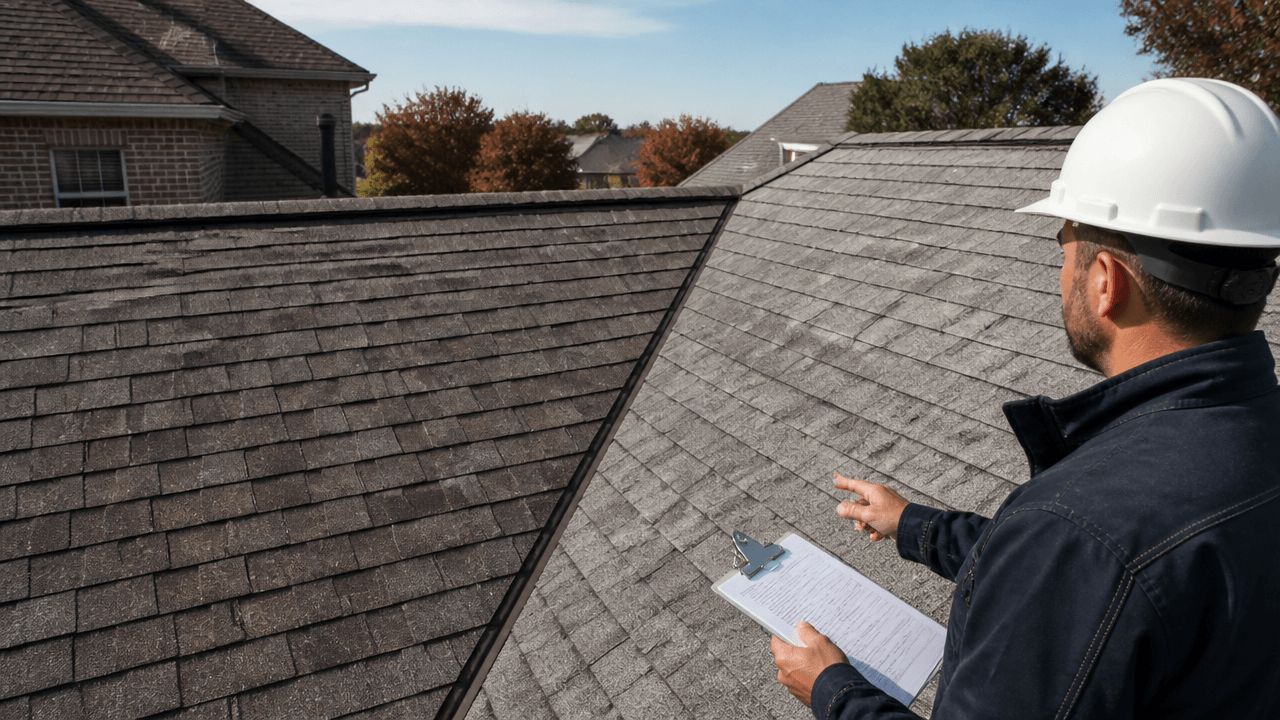
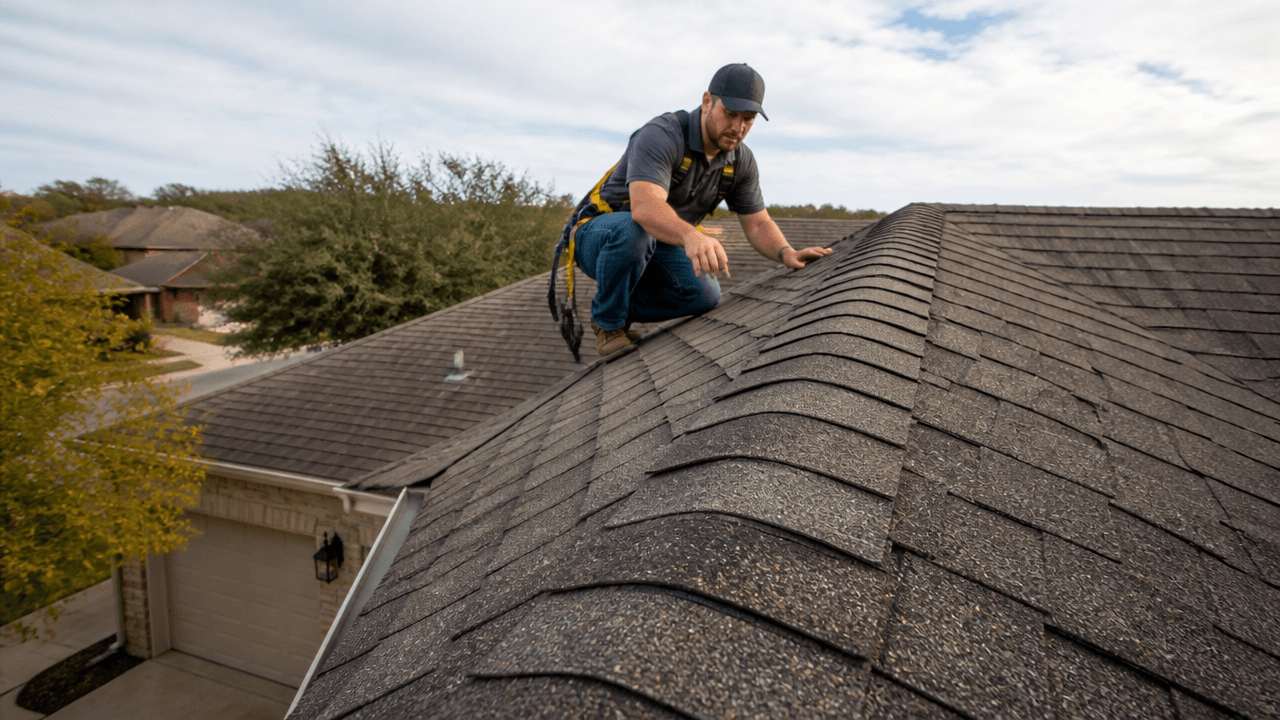
Many homeowners fail to regularly inspect their roofing and ventilation before installing AC systems. This oversight can lead to inadequate cooling and inefficiency if the roof absorbs too much heat or if the attic lacks proper ventilation. To prevent this, schedule a comprehensive roof evaluation with a professional.
Mistake 2: Choosing the Wrong AC Type
Selecting an AC system without understanding the different types and how they work with your roof can be a detriment to your cooling efficiency. Homeowners need to be aware that central AC, heat pumps, and evaporative coolers each have unique requirements and suitability. Avoid this by matching the AC type to your specific roofing needs.
Mistake 3: Incorrect Calculation of AC Capacity
DIYers frequently miscalculate the required capacity of their AC systems, leading to over or under-sized units. An incorrectly sized AC won’t cool your home effectively and can cause increased energy consumption. Avoid this by precisely calculating the square footage and considering the roof’s exposure to the sun.
Mistake 4: Overlooking SEER Ratings
In the pursuit of initial cost savings, some may purchase AC systems with low SEER ratings, which compromises energy efficiency and increases long-term costs. High SEER ratings are crucial for energy-efficient cooling, especially in regions with warmer climates. To prevent this, prioritize high SEER-rated AC systems for your installation.
Mistake 5: Improper AC System Placement
Installing an AC system without considering the roof’s design and material can lead to issues such as water leakage or structural damage. Ensure that the unit complements the existing roofing structure. Professional installation is recommended to avoid such errors.
Mistake 6: Skimping on Professional Installation
Attempting to install an AC system without the proper expertise can result in inadequate integration with roofing systems, leading to inefficiencies and potential damage. The importance of having certified HVAC professionals handle the installation cannot be understated. Hire a professional with experience in roof-optimized AC installations.
Mistake 7: Inadequate Insulation
Some homeowners upgrade their AC systems without improving the roof insulation, leading to significant energy wastage. It’s essential to optimize insulation to support your new AC system’s efficiency and reduce cooling load. Before installation, ensure that your insulation is up to par.
Mistake 8: Neglecting Regular Maintenance
After installing a new AC system, failing to maintain it alongside the roofing can lead to decreased performance. Regular maintenance is key to the longevity and efficiency of both systems. Develop a consistent maintenance schedule for your AC system and roof to avoid this mistake.
Energy Efficiency and Your Roof
When selecting your AC system, it’s critical to consider energy efficiency ratings like SEER, which measures cooling output over a typical cooling season divided by the electric energy input. A higher SEER rating means greater energy efficiency, leading to lower utility bills and a reduced environmental footprint. By selecting an AC system with a high SEER rating, you’re not only optimizing your roof’s cooling ability but also investing in a sustainable future for your home.
Efficiency doesn’t stop at SEER ratings; it also encompasses the compatibility of the AC unit with your roofing materials. Certain roofing materials can reflect or retain heat differently, influencing the workload on your AC system. For guidance on the most energy-efficient solutions tailored to your roofing, the experts at Imperial Roofing provide the necessary know-how to make an informed decision for roof optimization.
Professional Installation for Roof Optimization
Once the suitable AC system has been chosen, the focus shifts to proper installation, which is pivotal to maximizing the system’s efficiency and lifespan. A professional installation by certified technicians, such as those at Imperial Roofing, ensures that your AC system and roof work in harmony. This careful integration directly affects the overall cooling performance and can prevent future roofing issues.
The planning for professional installation should not only account for roof compatibility but also the unique seasonal challenges of the Austin climate. An experienced installer will understand the nuances of how an AC system interacts with your roof throughout different seasons. Proper installation is a safeguard against potential inefficiencies and is key to maintaining a reliable and cost-effective AC system for years to come.