• Explore essential design considerations for multifamily roofing projects, ensuring longevity and appeal
• Access expert recommendations for selecting materials and ensuring proper installation techniques
• Discover maintenance tips and the importance of professional assistance for optimal roof performance
Recognizing Warning Signs
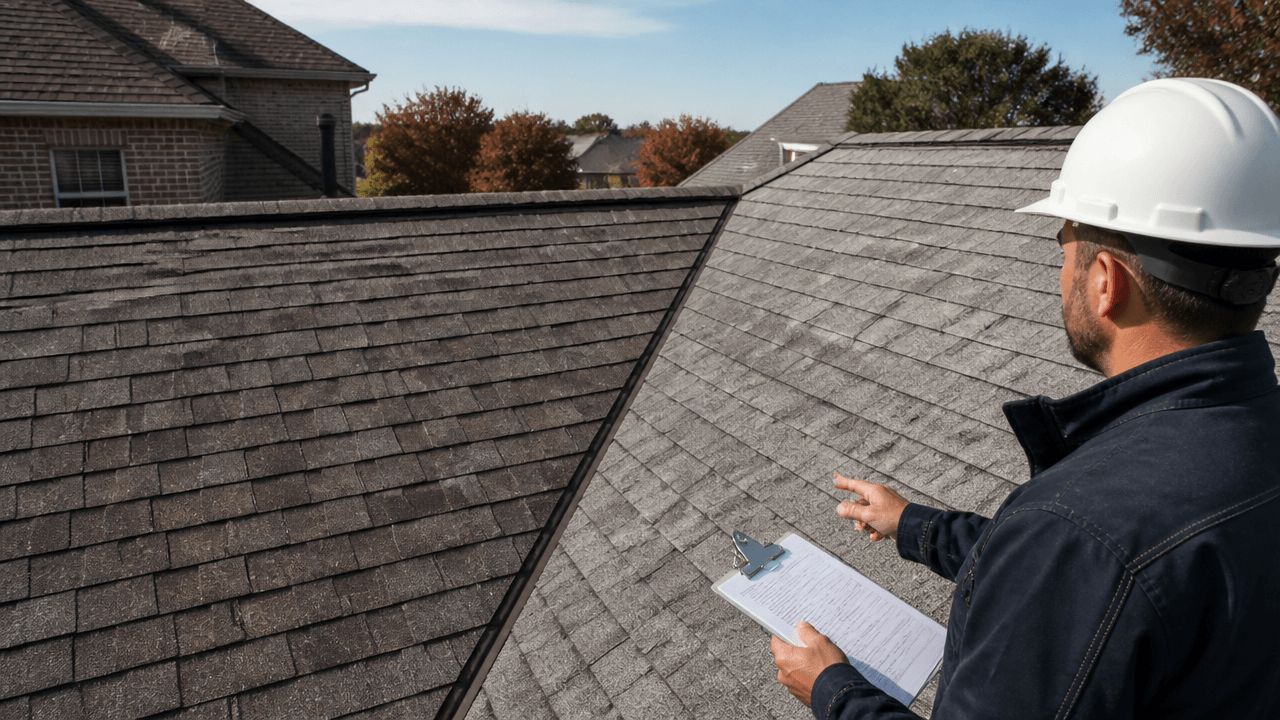
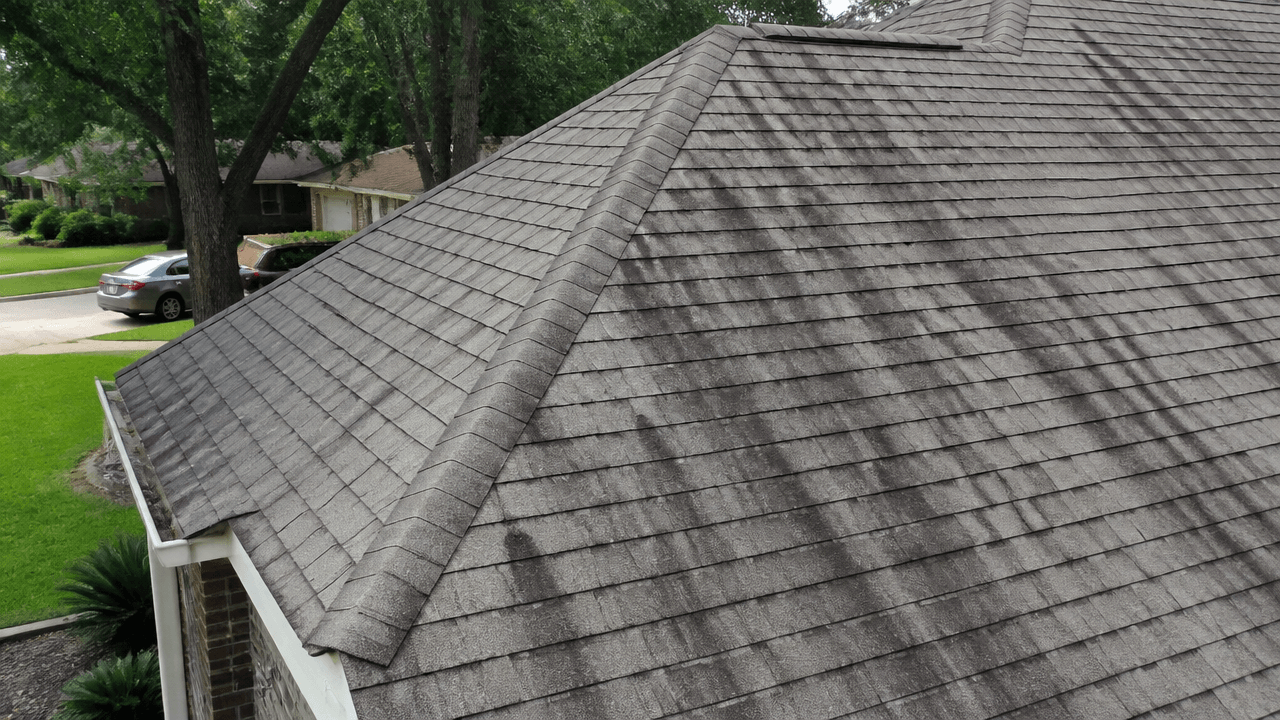
Before diving into the complex world of roof design for your multi-family dwelling, it’s crucial to spot the telltale signs that signal a need for change. In Fort Worth, roofs often exhibit early signs of wear due to the city’s harsh sun and occasional severe weather. Look for curling or missing shingles, a telltale indicator of aging and exposure, as these minor issues can lead to significant damage if not addressed. Similarly, an increase in energy bills may hint at a roof’s declining efficiency, prompting a need for an audit of its design and materials.
Inside the building, water stains on ceilings and walls can be a clear sign that your roof’s current design is failing to protect against Fort Worth’s heavy rain. These stains not only mar the appearance of a residence but could also point toward structural damage that compromises tenant safety. Musty odors in attics or upper stories often accompany visible signs of leaks, indicating that moisture has become trapped, potentially leading to mold growth. Immediate attention to these symptoms can prevent the need for more extensive and expensive repairs.
Lastly, if residents report persistent noise during windy days, or if there are visible signs of material wear or damage on the roof’s surface, these issues can indicate poor design or installation. A roof should withstand the local climate, including the fall season in Fort Worth, which requires specific roof design considerations for multi-family properties. Such auditory and visual cues should be acted upon promptly, as they can affect the integrity and longevity of the roof structure. Taking these signs seriously is the first step in ensuring the safety and comfort of your tenants, as well as the long-term stability of the building.
Aligning Design with Climate and Lifestyle
Conducting a thorough assessment of your multi-family property is paramount to achieving the optimum roof design. Consider how Fort Worth’s climate, characterized by hot summers and mild fall seasons, will play a role in material selection and durability. The lifestyle of the building’s occupants should also be factored in; a roof for a retirement community will have different requirements than one for a student apartment complex. By understanding these nuances, property managers can ensure a design that meets the specific needs of their residents while also standing up to local weather conditions.
Staying informed of the latest Fort Worth building codes is essential not only for legal compliance but also for guaranteeing the safety and durability of your building’s roof. Local regulations can influence everything from material choices to the slope of the roof, which is crucial for efficient water drainage. Building codes are designed to mitigate common issues like leaks and ensure a structure that can withstand the stresses of every season. Factoring in building codes early on can streamline your roofing project and prevent costly revisions or fines.
Selecting Material and Design for Longevity
Choosing the right materials for your roof involves balancing cost, durability, and sustainability. In Fort Worth, where fall can bring unpredictable weather, materials must be selected for their ability to endure without frequent maintenance. While tile and metal roofing options offer longevity and are favored in the region, innovative solutions like cool roofing materials can provide energy efficiency. An investment in durable materials pays off in the extended life span of the roof and reduced long-term expenditure.
Efficient water drainage is another critical aspect of roof design, particularly in an area like Fort Worth that experiences heavy rainfall during the fall. An aptly designed roof will channel rainwater away from the building efficiently, thus preventing structural damage and extending the roof’s life. Proper gutter systems and strategic sloping are non-negotiable aspects of a design that aims to combat moisture-related issues. Careful planning in this stage can avoid water damage, which is a primary contributor to premature roof failure.
Step 1: Evaluate Roofing Needs
Assess the specific needs of your multi-family property in Fort Worth, considering factors such as climate, building height, and tenants’ lifestyle to understand what design will best serve your residents.
Step 2: Understand Local Building Codes
Familiarize yourself with Fort Worth building codes to ensure your roof design adheres to regional regulations, including materials approved for construction and any aesthetic parameters for neighborhood consistency.
Step 3: Select Durable Materials
Choose durable roofing materials that can withstand the unique weather conditions of a Fort Worth fall, offering longevity and ease of maintenance, while also fitting within your sustainability goals.
Step 4: Plan for Efficient Water Drainage
Design your roofing layout with a focus on efficient water drainage to prevent leaks and water damage, considering Fort Worth’s seasonal rain patterns to ensure maximum protection.
Step 5: Integrate Energy-Efficient Features
Incorporate energy-efficient features like solar panels or reflective materials into your roof design, providing cost savings on energy bills and appealing to eco-conscious tenants.
Step 6: Consider Aesthetics and Function
Balance aesthetics with function to ensure that the roof design complements the architectural style of your multi-family property while also fulfilling its purpose as a protective and energy-efficient structure.
Step 7: Optimize for Safety and Accessibility
Ensure that the roof is not only safe for tenants but also accessible for maintenance personnel, with safety features that adhere to Occupational Safety and Health Administration (OSHA) regulations.
Step 8: Calculate a Budget and Stick to it
Develop a detailed budget that encompasses all aspects of your roof design project, from materials to labor, while leaving room for contingencies, to maintain financial responsibility throughout the process.
Introduction to Common DIY Roofing Mistakes
While a DIY approach to roofing can feel empowering and cost-effective, certain pitfalls can turn a well-intentioned project into a costly ordeal. Understanding these common mistakes is crucial to avoiding unnecessary expenditures and ensuring the longevity of your multi-family home’s roof. By aligning with professional standards and paying heed to the intricate details involved in roofing, property owners can mitigate risks and ensure a secure and enduring roof.
Mistake 1: Inadequate Evaluation of Roofing Needs
Many DIYers underestimate the importance of a comprehensive evaluation. Skipping this can lead to a mismatch between the roof design and the property’s requirements, considering local weather patterns and tenant lifestyles. To prevent this, thoroughly assess all factors and consult with experts if necessary.
Mistake 2: Ignoring Local Building Codes
Failure to adhere to Fort Worth’s building codes can result in penalties and additional costs. It’s common to overlook regional regulations in a DIY scenario, yet compliance is non-negotiable for safety and legal reasons. Always ensure that your roof design meets the necessary codes.
Mistake 3: Compromising on Material Quality
Selecting sub-standard materials to cut costs can lead to premature wear and damage. Homeowners frequently opt for cheaper options without considering the local climate, which can prove more expensive over time due to increased maintenance and repairs. Invest in durable materials tailored to Fort Worth’s fall weather for long-term savings.
Mistake 4: Inefficient Water Drainage Planning
Neglecting proper drainage design is a recipe for water damage. DIYers might not prioritize this aspect adequately, which can lead to leaks and structural issues. Implement an effective drainage system, aligned with local rainfall patterns, to protect the property.
Mistake 5: Overlooking Energy Efficiency
Some may fail to recognize the value of integrating energy-efficient features due to an initial higher cost. Avoid this by considering the long-term savings and environmental benefits that features like solar panels offer, which are especially effective in Fort Worth’s sunny climate.
Mistake 6: Disregarding Aesthetics
The roof’s appearance often takes a backseat to its functionality in DIY projects. This neglect can affect the property’s curb appeal and value. Balance aesthetics with function for a roof that complements the building’s style.
Mistake 7: Overlooking Safety and Accessibility
DIY roofers may not implement adequate safety measures or access points for maintenance personnel. Ensure compliance with safety standards and OSHA regulations to maintain a safe environment for all.
Mistake 8: Poor Budget Management
It’s easy to underestimate the cost of materials and labor in a DIY project. Without a detailed budget, expenses can spiral quickly. Develop a clear budget that covers all aspects of the project to stay on track financially.
Elevating Energy Efficiency in Your Design
In today’s eco-conscious world, integrating energy-efficient features into your roof design is not just a preference; it’s a necessity. Fort Worth’s sunshine can be put to good use with solar panels, slashing energy bills and reducing the property’s carbon footprint. Reflective roofing materials also contribute to cooling the building naturally, diminishing the reliance on air conditioning during the hotter months.
Such green initiatives are not only beneficial for the environment but can also be financially rewarding. Fort Worth residents appreciate sustainable living options, which can make a property more appealing to potential tenants. By visiting Imperial Roofing’s general contracting services, you can uncover more ways to enhance your roof’s energy efficiency and real estate value.
Bringing Aesthetics and Function Together
The aesthetic aspect of your multi-family roof design is as crucial as its functionality. A roof that reflects the architecture’s style while providing protection and efficiency contributes to the property’s overall appeal. Imperial Roofing understands that a well-designed roof can be a statement of style and a reflection of the community it serves.
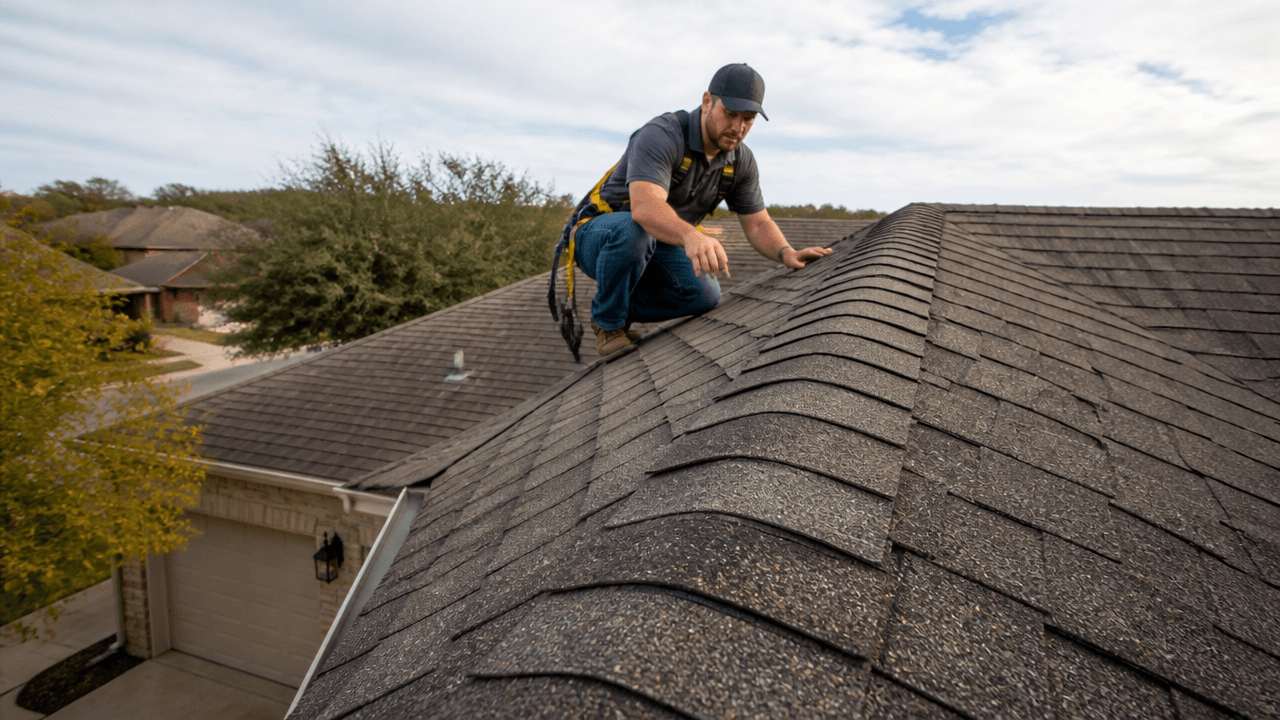
Moreover, a roof should also be built for accessibility, ensuring ease of maintenance and adherence to safety considerations. In Fort Worth, where the weather can change quickly, a roof designed for easy access allows for more agile responses to necessary repairs or inspections. Such foresight in design can prolong the lifespan of the roof and uphold the safety of its inhabitants.