• Learn essential steps for preventative roof maintenance to extend your roof’s lifespan
• Discover professional techniques to identify and address roof vulnerabilities
• Understand why seeking professional services ensures the best care for your roof
Recognizing the Warning Signs
A well-maintained roof is critical to the protection and longevity of your home, and this holds especially true in the dynamic climate of Dallas, TX. Before you begin any maintenance, it’s essential to spot the telltale signs that signal the need for preventive care. Look for shingles that are cracked, curled, or absent, as they indicate your roof’s vulnerability to the elements. Moreover, after weathering a storm, these imperfections can worsen, making prompt inspection and maintenance even more crucial.
The Gutter’s Role in Roof Health
Your gutters play a pivotal role in roof preservation by steering water safely away from your home’s structure. However, when they fill with leaves, twigs, or dirt, they pose a risk of overflow and water penetration under your roofing materials. Such obstruction is a silent assailant of roof integrity and can lead to costly damage over time. During your preventive roof maintenance routine, make it a priority to ensure that gutters are clean and free-flowing.
Guard Against Overhanging Dangers
Overhanging tree limbs may lend natural beauty and shade to your home but can become your roof’s adversary. Limbs that brush against roof surfaces cause abrasion that wears away protective layers, while falling branches from storms pose an immediate threat to your roof’s integrity. Furthermore, accumulated foliage from trees can encourage the growth of moss and algae, which retain moisture and potentially lead to serious damage. Regularly trim back these branches to protect your roof and minimize debris.
Preventive Measures Against Moisture and Heat
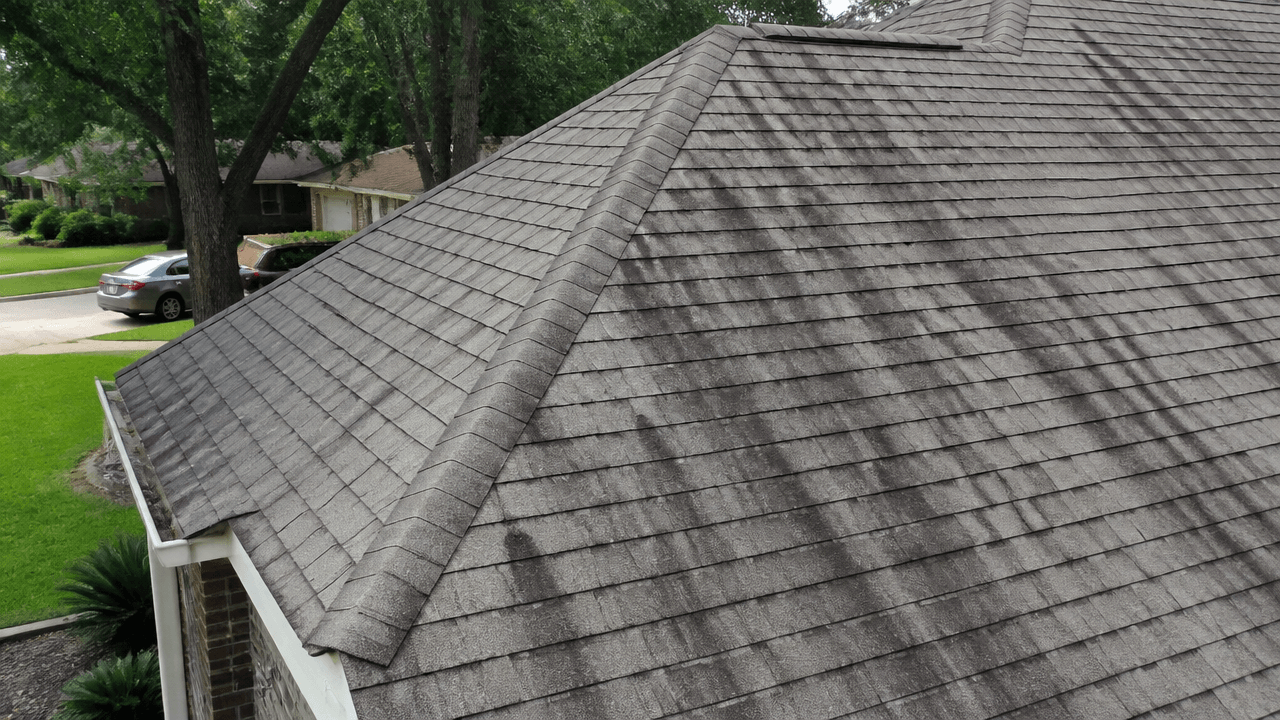
The silent presence of moss and algae on your roof can spell trouble, trapping moisture against the surface and leading to degradation of roofing materials. In Dallas’s climate, the battle against these unwanted invaders is crucial, making regular roof inspections a key defensive strategy. Implementing practical steps like gentle cleaning techniques or consulting a roofing professional can make all the difference in roof preservation. When addressing these concerns, always prioritize methods that maintain the integrity of your roofing materials while effectively removing problematic growth.
Ensuring Optimal Ventilation and Insulation
Proper attic ventilation cannot be understated when it comes to extending the life of your roof. A well-ventilated attic helps to minimize the buildup of heat and moisture, which are two of the biggest threats to roof longevity. It is imperative that your attic vents remain unblocked and functional — an aspect our team at Imperial Roofing pays special attention to during inspections. Homeowners should take time to verify that their attic space is adequately ventilated to prevent any premature roofing issues.
Step 1: Inspect Your Roof Regularly
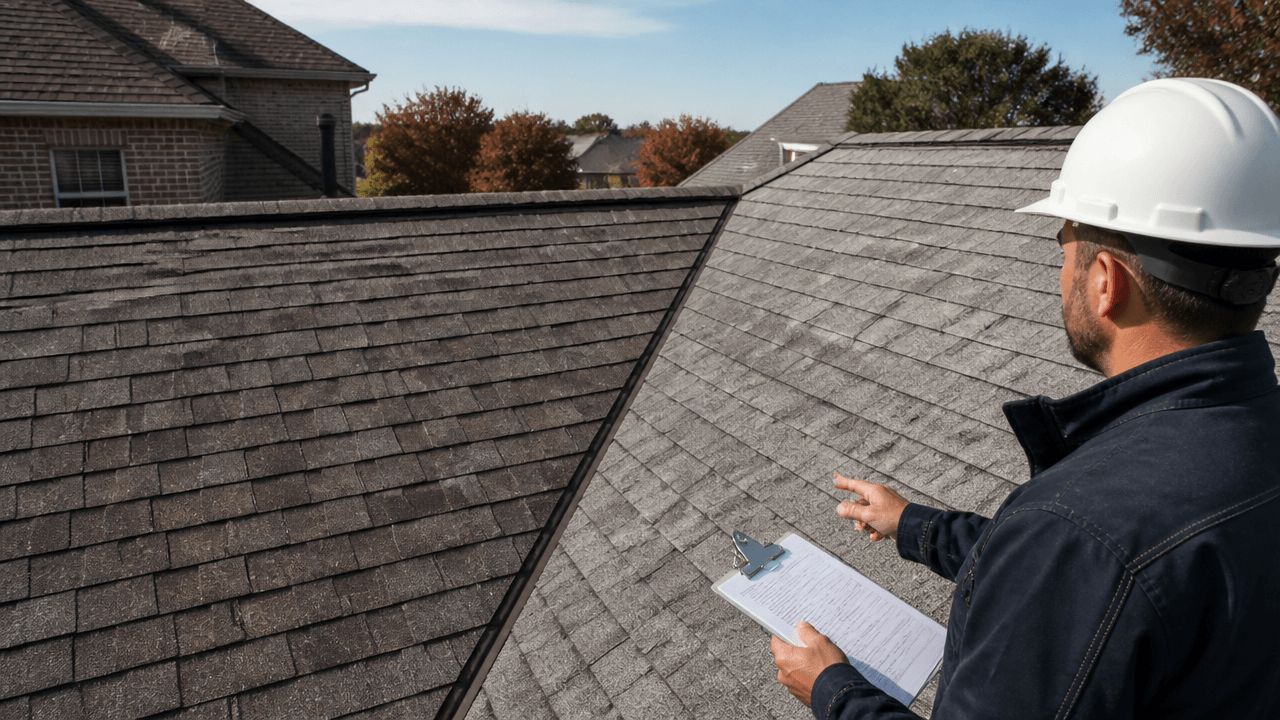
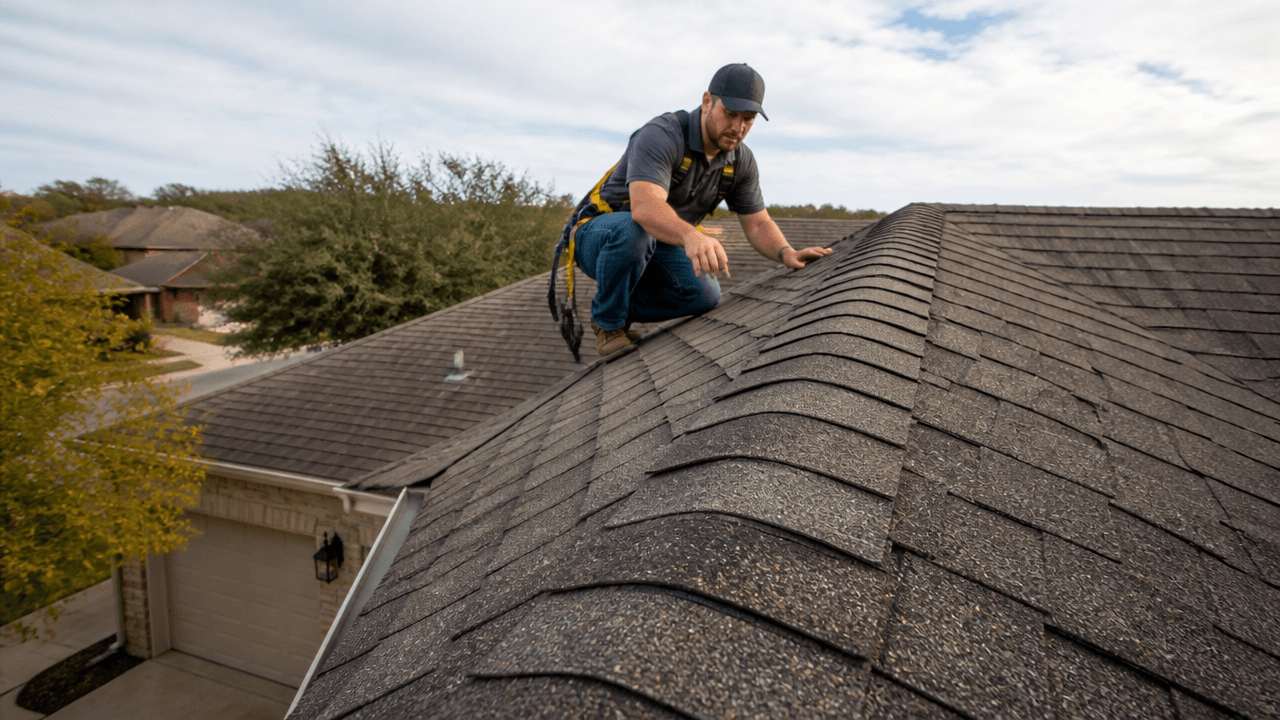
Set up a routine to inspect your roof, ideally twice a year, to spot early signs of wear and damage. Look for cracked, missing, or damaged shingles, especially after heavy storms, as these can be signs that your roof needs preventive maintenance.
Step 2: Clean Your Gutters
Keep your gutters free of debris such as leaves, twigs, and dirt. Clogged gutters can lead to water backing up and seeping under your roofing materials, potentially causing damage.
Step 3: Trim Overhanging Tree Branches
Trim branches that hang over your roof. Overhanging limbs can scrape against roofing materials and deposit debris that encourages moss and algae growth, or they could break and cause more serious damage.
Step 4: Look for Signs of Moss and Algae
Moss and algae growth can damage your roof by retaining moisture against the roof surface. If you spot any, remove it promptly or consult a professional for more persistent growths.
Step 5: Ensure Proper Attic Ventilation
Proper attic ventilation reduces heat buildup under your roof, which can help it last longer. Verify that attic vents are clear of obstructions and that they’re functioning correctly.
Step 6: Inspect Seals and Flashings
Ensure that the seals around vent pipes and the flashing around chimneys, skylights, and roof valleys are intact. These are common areas for leaks to develop, especially if the sealant or flashing is damaged.
Step 7: Address Minor Repairs Quickly
If you notice minor issues, such as a small number of loose or damaged shingles, address them quickly before they become major problems. Often, simple fixes can prevent larger, more costly repairs.
Step 8: Schedule Professional Inspections
Alongside your regular inspections, schedule annual or biannual inspections with a roofing professional. They can catch issues that you might have missed and offer preventive maintenance tips specific to Dallas roofing conditions.
Common DIY Roof Maintenance Mistakes to Avoid
When it comes to maintaining your roof’s integrity, even with the best intentions, homeowners can sometimes do more harm than good. While DIY roof maintenance can be cost-effective, certain mistakes can lead to significant issues down the line. Understanding these common pitfalls can help ensure your efforts to protect your roof don’t end up compromising it.
Mistake 1: Neglecting Regular Inspections
Many homeowners forget to conduct regular inspections, especially after severe weather. Without routine checks, you might miss early signs of damage, leading to bigger, costlier problems. To prevent this, set a calendar reminder to inspect your roof at least bi-annually.
Mistake 2: Improper Gutter Cleaning
Cleaning gutters is more than just removing leaves and debris; improper cleaning can damage the gutter system. Forceful removal of debris can detach gutters from the roof, and using the wrong tools can puncture or crack them. Use gentle tools and ensure to secure gutters back in place after cleaning.
Mistake 3: Overzealous Tree Trimming
While it’s important to keep tree branches away from the roof, over-trimming can harm the tree’s health and lead to more falling debris over time. Make sure to only trim what’s necessary and avoid cutting during wet conditions, which could cause branches to slip unexpectedly.
Mistake 4: Overlooking Moss and Algae
Homeowners often ignore the early stages of moss and algae, dismissing them as merely cosmetic issues. However, these can trap moisture and deteriorate roofing materials. Be proactive in removing any growth and consult a professional if it becomes widespread.
Mistake 5: Disregarding Ventilation Needs
Attic ventilation is critical, but many DIY-ers overlook this aspect of roof health. Blocked vents can cause heat buildup and moisture accumulation, damaging the roof structure over time. Ensure vents are always clear and functioning properly.
Mistake 6: Unskilled Seal and Flashing Repairs
Attempting to repair seals and flashings without the proper skills or materials can lead to leaks and water damage. If you’re unsure about DIY repairs, it’s better to contact a professional for these delicate tasks.
Mistake 7: Delaying Minor Repairs
A small issue can escalate quickly on a roof. Address any minor damage promptly to maintain the roof’s overall integrity and prevent large-scale problems.
Mistake 8: Skipping Professional Evaluations
Finally, homeowners might think they can skip professional inspections if they’ve been maintaining their roof themselves. However, expert eyes can often spot issues that untrained eyes miss. Keep up with routine professional inspections to catch any problems early.
Addressing Sealant and Flashing Concerns
Intact seals and flashings are the unsung heroes in protecting your home from water damage. A check for wear and tear around vent pipes, chimneys, and skylights can prevent leaks that lead to greater issues. Homeowners should consider a professional roof inspection to identify and address any weaknesses in these critical areas.
Handling Repairs Before They Escalate
A small repair today can prevent a roof replacement tomorrow. Quickly addressing loose or lifted shingles is key to preserving the roof’s overall integrity. Consistent maintenance and timely intervention after damage are your best defense against the harsh elements of Texas weather.