• Understanding Roof Slopes: Learn the differences between steep slope and low slope roofing to make an informed choice for your property.
• Pros and Cons: Discover the advantages and challenges of each roofing type and how they impact maintenance, durability, and weather resistance.
• Expert Recommendations: Consider professional advice on selecting the right roofing material that aligns with your building’s structural needs and aesthetic preferences.
Identifying Roofing Issues in Houston’s Varied Climates
When it comes to roofing in Houston, the battle with the elements is ceaseless. If you’re noticing water pooling on your rooftop or an unexplained increase in energy bills, these could be telltale signs of a slope issue. Steep slope roofs, by design, facilitate swift runoff of rainwater, a critical function during Houston’s torrential downpours, whereas low slope roofs are tested by their capacity to seal and insulate against both moisture and heat.
The Structural Impact of Roof Slope Selection
An uneven ceiling line inside your house or frequent roof repairs may signal that your steep slope roof is battling gravity more than it should. Such indications suggest a potential mismatch with your building’s structural tolerance, resulting in costly consequences if left unchecked. Conversely, low slope roofs, though seemingly easier to manage, might develop standing water or leaks if not properly installed and maintained, an issue that becomes pressing with each passing stormy season in Houston.
Material Wear and Tear: A Clear Indicator
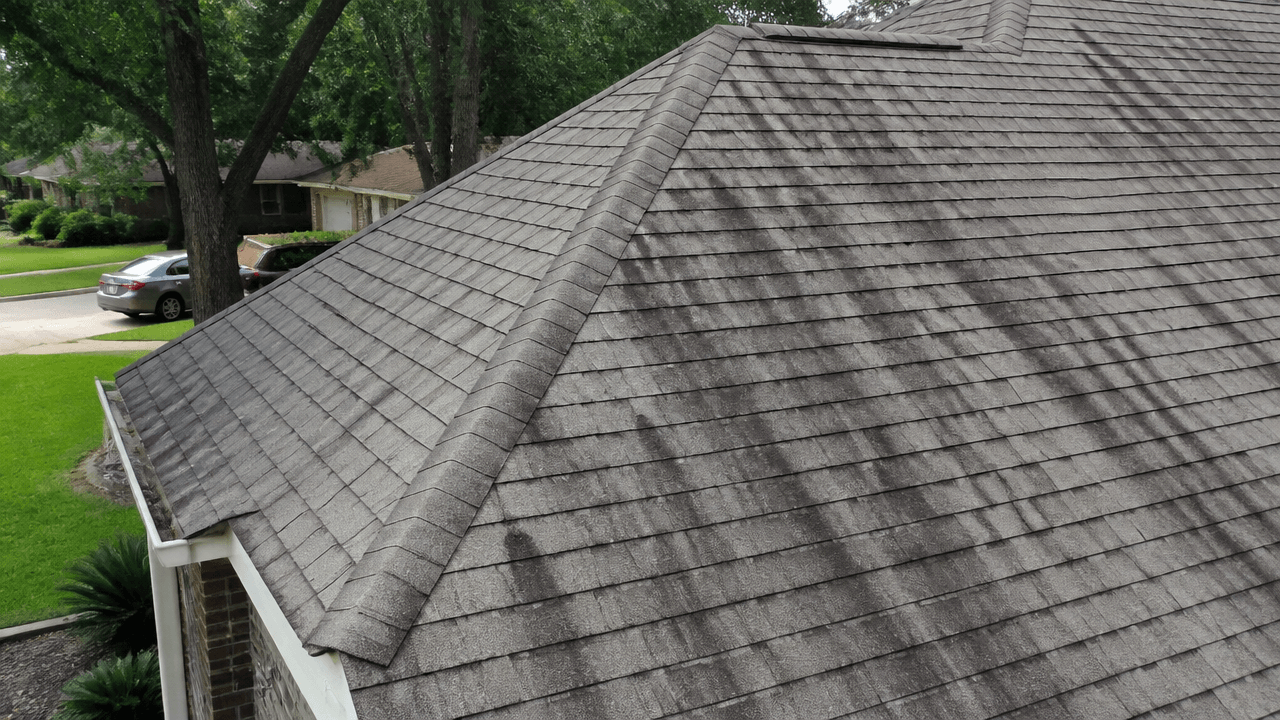
Take heed if your shingles are cracking or your roof membrane is blistering; these are symptoms of material fatigue exacerbated by the climate. For those with steep slopes, degradation of shingles can lead to major leaks, while those with low slopes could see compromised membrane integrity. Hence, understanding the implications of steep slope vs low slope roofing differences is more than a theoretical exercise—it’s essential for the longevity and performance of your home.
Opting for Steep Slope Roofing: Pros and Cons
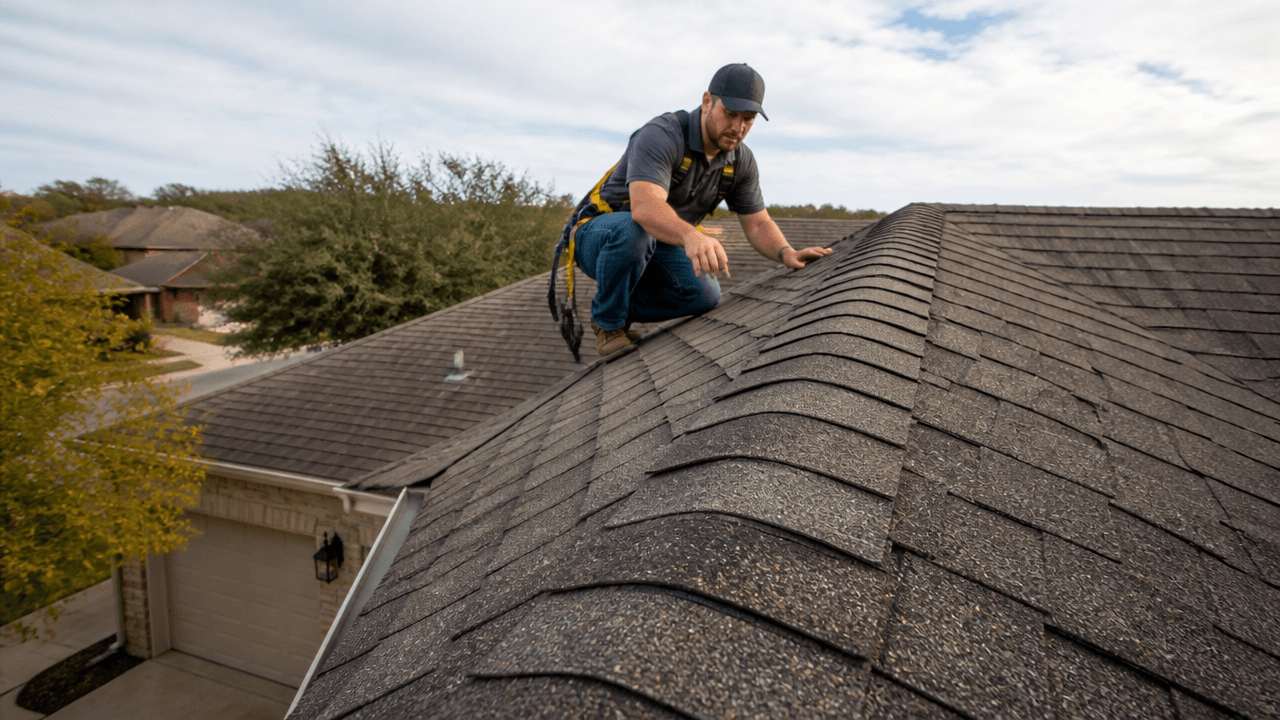
Steep slope roofs are not just an architecturally pleasing element; they are functional powerhouses in climates such as Houston’s, with their propensity for uninvited storms. A steep roof can significantly enhance water drainage, preventing the build-up of debris and moisture that could lead to damage. However, their steep incline can also translate to more challenging maintenance and higher costs for specialized services or safety equipment. Before committing to this roofing style, home and business owners should consider these factors carefully, ensuring they align with their long-term property management plans.
Benefits of Low Slope Roofs and Their Fit in Commercial Structures
Whereas steep slopes speak to aesthetic dreams, low slope roofs whisper the language of functionality, particularly suited to commercial dwellings. They offer ease of access for routine maintenance and rooftop installations, which can be an invaluable asset for business operations. Despite its benefits, awareness of proper waterproofing and insulation methods is paramount to avoid Houston’s climatic wrath from wreaking havoc on a less steeply angled roof. To explore these services further, it’s crucial to consult with roofing professionals who bring practical knowledge to your decision-making process.
Step 1: Understand the Basics of Roof Slopes
Start by familiarizing yourself with what steep slope and low slope roofing entail. A steep slope is usually above 14 degrees, offering rapid water and debris runoff, whereas low slope roofing is generally below 14 degrees, commonly found on commercial buildings.
Step 2: Analyze Your Building’s Structure
Assess the existing structure of your building. Steep slope roofs may require additional engineering to support the weight, while low slope roofs can be more adaptable to various architectural styles.
Step 3: Consider the Climate in Houston, TX
Look at how the local climate affects roofing. In Houston, the rain and occasional snow require careful consideration of water runoff capabilities.
Step 4: Compare Longevity and Maintenance Requirements
Weigh the differences in longevity and upkeep. Steep slope roofing may have a longer lifespan due to its ability to shed water quickly, but it can be harder to maintain due to its incline.
Step 5: Review Roofing Material Options
Consider the materials suitable for each type of slope. For steep slopes, shingles or tiles work well, whereas single-ply systems are often used for low slope roofs.
Step 6: Assess the Aesthetics
Think about how each option complements the style of your home or building. Steep slopes can add a dramatic aesthetic effect, while low slope roofing can offer a modern, streamlined appearance.
Step 7: Calculate Cost Differences
Factor in the initial installation costs and the long-term expense of both options. Low slope roofs can be more cost-effective initially but consider the potential for increased maintenance and repairs over time.
Step 8: Consult with a Roofing Professional
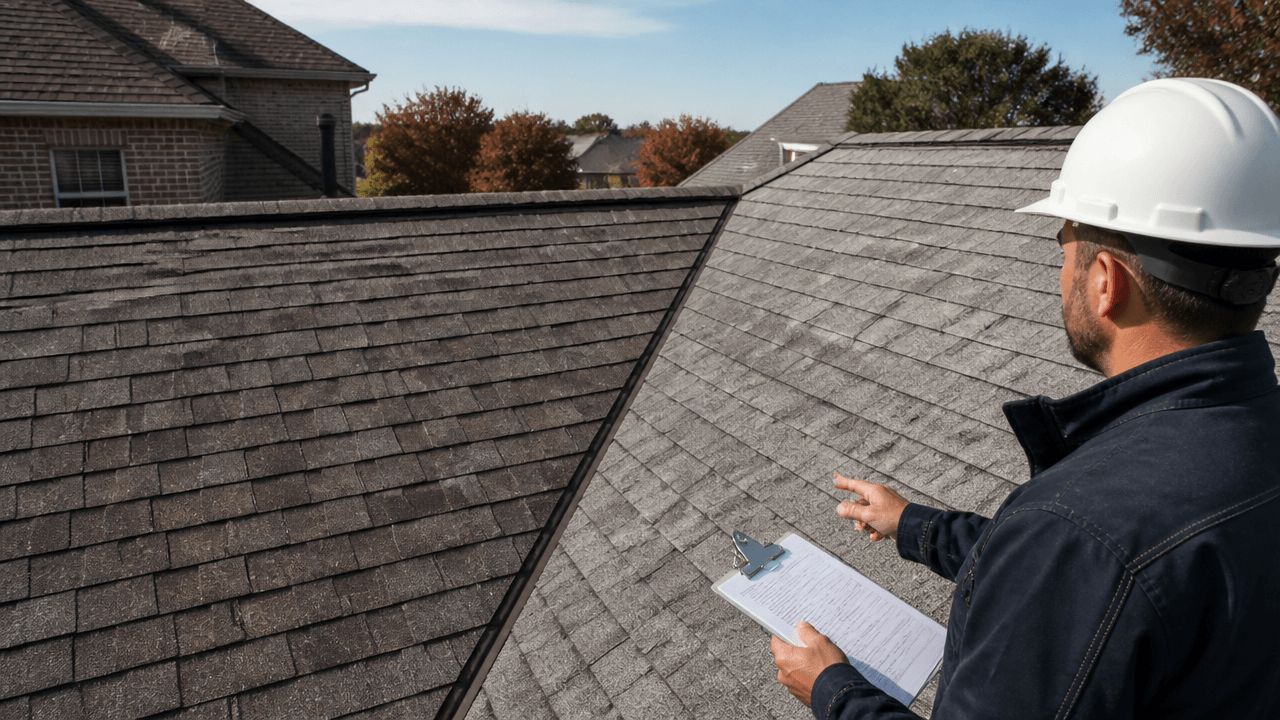
Before making a decision, consult with a roofing expert in Houston, TX. They can provide insights on steep slope vs low slope roofing differences specific to your property and help guide you to the best choice for durability and performance.
Steering Clear of Common Roofing Pitfalls
When embarking on a roofing project, knowledge is your best defense against common DIY mishaps. Whether it’s dealing with steep slope or low slope roofing, understanding the specific challenges of each can save homeowners from costly and time-consuming errors. Let’s discuss some practical mistakes often made by DIY enthusiasts, why they happen, and how to avoid them with precise strategies drawn from our guide sections.
Mistake 1: Incorrect Slope Measurement
Many DIYers assume the angle of their roof without proper measurement, leading to inappropriate material choices or water pooling issues. To prevent this, utilize tools like a slope calculator or consult with a professional to ensure accurate slope determination as per Step 1.
Mistake 2: Overlooking Structural Integrity
Ignoring the existing structure of your building when adding or repairing a roof can result in overloading and potential collapse, as cautioned in Step 2. Always evaluate the load-bearing capacity of your home before proceeding with roofing projects.
Mistake 3: Defying Local Climate Considerations
Houston’s climatic peculiarities are not to be underestimated—failure to consider them can result in a roof ill-suited for heavy rains or occasional snow. Reference Step 3 and choose materials and designs that account for weather patterns and effective water runoff.
Mistake 4: Neglecting Longevity and Maintenance Balance
Opting for materials based solely on cost without considering upkeep and longevity, as outlined in Step 4, often results in higher long-term expenses. Consider the implications of maintenance requirements against the expected lifespan of your roofing choice.
Mistake 5: Unsuitable Material Selection
Selecting roofing materials that are not appropriate for the slope of your roof, contrary to the advice in Step 5, can lead to accelerated wear and leaks. Steep slopes require materials like shingles, while low slopes fare better with membrane-based solutions.
Mistake 6: Aesthetic Misjudgments
Overlooking the architectural style when choosing a roofing slope can lead to an unattractive appearance, as pointed out in Step 6. Ensure that your roof’s design complements your home’s overall aesthetic.
Mistake 7: Miscalculating Costs
Focusing only on the initial costs without factoring in long-term expenses is a common financial misstep – a decision that should be informed by Step 7. Assess both up-front and future maintenance costs to make a financially sound decision.
Mistake 8: Going It Alone Without Expert Advice
The gravest mistake is not seeking professional guidance, as recommended in Step 8. Consulting with local Houston roofing experts can provide personalized insights and help tailor your project for optimal durability and performance.
Understanding Roof Longevity and Climate Resilience
In Houston, where the fall season can bring its own set of weather challenges, the longevity of your roofing is a prime concern. Steep slope roofs have the advantage of a longer lifespan due to their efficient water and debris runoff, which can be a game-changer in heavy rainfall areas. On the other hand, low slope roofs may require more frequent attention and patching to ensure their integrity against the elements.
The Importance of Expert Guidance in Roofing Choices
Making an informed choice between steep slope and low slope roofing is a task best undertaken with professional insight. With their experience, roofing experts can provide tailored advice, ensuring that your roof’s design is functional as well as aesthetically in line with your property’s character. To engage with experts for a personalized consultation, visit Imperial Roofing’s general contracting services, where experienced contractors are ready to assist you.