• Exploring Roof Slope Options: Unveiling the critical differences between steep slope and low slope roofing to inform your selection.
• Professional Insight: Emphasizing the necessity of expert guidance for selecting and installing the optimal roofing solution for your property.
• Connect with Experts: Highlighting the avenues to reach out for professional advice and keep abreast of the latest roofing trends and projects.
Recognizing the Red Flags for Roofing
When it comes to roofing, the signs that you need an upgrade or fix are often subtly etched in the details of your home’s exterior. If you’re spotting shingles that are cracked, curling, or even missing, it’s a telltale indicator that your Plano, TX home’s first line of defense is compromised. Water stains on ceilings or walls inside your house might suggest that your current roof’s slope isn’t managing drainage well. It’s vital to understand these problematic signs as they point towards the immediate need for assessing roofing fundamentals.
When Your Roof Speaks, Listen Closely
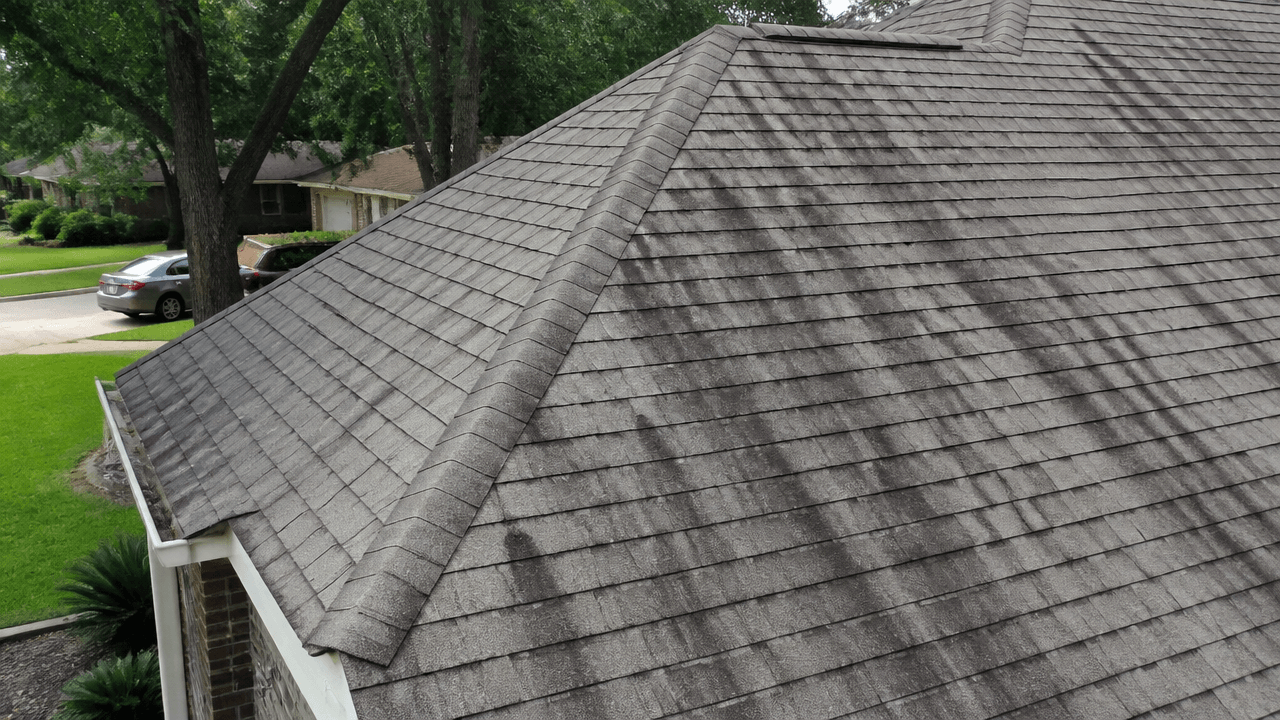
As a homeowner, staying vigilant against moss or algae growth on the roof surface is crucial, as this may signal trapped moisture stemming from poor roofing design. Uneven or sagging areas can be an even more direct hint that the structural integrity of your roof may require a thorough professional evaluation. Excessive energy costs might also reflect inadequate roofing insulation, which is a common woe for many households. Evaluating your climatic conditions is essential, since the harsh winter weather prevalent in Plano could escalate these roofing challenges.
Winter Woes: Preemptive Roof Checks
If you hear a cacophony of wind-induced noises from the roof or see an accumulation of ice at the edges, these are winter-specific concerns to address. They’re not just nuisances but alarms for potential ice damming, which can place undue stress on low slope roofs more so than their steep slope counterparts. Thermal leaks captured on an energy audit can also underscore the need for roofing material reevaluation. Prioritizing these real-life concerns naturally leads into the necessity of understanding and deciding between the difference between steep slope and low slope roofing systems, where each has its unique requirements and benefits better suited to specific architectural designs and weather conditions.
Laying the Foundation: Roofing Fundamentals
When we talk about roofing, we’re not just dealing with shingles and nails; it’s an art that balances aesthetics with functionality. Steep slope roofing, often seen in residential zones, offers quick runoff for rain and snow, crucial for regions prone to such weather. On the flip side, low slope roofing found commonly in commercial properties ensures maximum use of interior space and easy accessibility. However, the difference between steep slope and low slope roofing doesn’t end there; each type brings a unique set of materials and design considerations that impact your home’s longevity and performance.
Choosing the Right Roof for Your Weather
Plano’s winter can be unforgiving, and the roof over your head stands between you and the elements. It is essential to consider a roof that combats the local climate while also complementing your home’s architectural beauty. Whether it’s the sharp incline of a steep slope or the subtle gradient of a low slope, your roof’s shape and structure directly influence its ability to weather the storm. For those seeking more information on sustainable and stylish roofing options, Imperial Roofing offers insightful resources and services tailored to keep your home or business weather-tight all year round.
Step 1: Understand Roofing Fundamentals
Discover the basic principles of roofing and the essential differences between steep slope and low slope roofing systems, focusing on their structure and purpose.
Step 2: Assess Your Climatic Conditions
Evaluate the weather patterns and environmental considerations of your area to determine which roofing type is better suited for your home in Plano, TX.
Step 3: Analyze Your Roof’s Architecture
Examine the current design and architecture of your home’s roof to understand the practicality and aesthetics of installing either a steep slope or a low slope roof.
Step 4: Consider Roofing Materials
Explore the variety of materials available for each type of roofing and the impact they have on performance, durability, and cost.
Step 5: Calculate Long-Term Benefits and Costs
Project the long-term financial implications, including initial investment, maintenance costs, and potential energy savings for steep slope and low slope roofing.
Step 6: Navigate Building Codes and Regulations
Review local Plano building codes and regulations to ensure compliance with legal requirements for roofing in your area.
Step 7: Consult With Roofing Professionals
Seek professional advice from credible roofing experts in Plano who can provide insights tailored to your property’s needs and the local climate.
Step 8: Make an Informed Decision
Use the information gathered from the previous steps to weigh the pros and cons, and choose the roofing type that aligns with your needs, budget, and long-term goals for your home.
Avoiding Common Roofing Pitfalls
Attempting a DIY roofing project can be ambitious, but it’s easy to make costly mistakes without proper knowledge and preparation. Even with a solid understanding of roofing fundamentals and materials, overlooking the specific needs of your home’s design or the local Plano climate can lead to significant setbacks. By familiarizing oneself with typical missteps, homeowners can navigate the complex process of managing their roofing needs more effectively.
– Mistake 1: Incorrect Material Selection
Choosing roofing materials that are not fit for the local weather can lead to premature wear and damage. In Plano, TX, materials must be suitable for both hot summers and chilly winters. Prevent this by carefully assessing climate needs and opting for materials known for their resilience in variable conditions.
– Mistake 2: Disregarding Local Building Codes
Ignoring the local building regulations can result in fines and the need to redo work. Plano has specific codes that ensure safety and quality. Avoid this by reviewing and adhering to all relevant building codes for roofing to stay compliant and safe.
– Mistake 3: Overlooking Roof Architecture Compatibility
Failing to consider the existing architecture of your home can lead to incongruous designs or functional issues with roof installation. Each home’s design, whether steep slope or low slope, demands compatible materials and construction methods. Avoid this mistake by analyzing your home’s design and seeking professional advice to ensure compatibility.
– Mistake 4: Inadequate Budgeting for Long-term Costs
Underestimating the long-term costs of roofing can result in unexpected expenses down the line. Steep slope and low slope roofs have different maintenance and repair costs. To prevent this, calculate the long-term benefits and financial implications, including maintenance costs, before making a decision.
By understanding these common mistakes and how to avoid them, homeowners are better equipped to make informed decisions and carry out successful roofing projects that endure over time and deliver on investment.
Architectural Synergy: Matching Roof to Home Design
The design of your roof should be a seamless extension of your home’s architecture. A steep slope roof, with its traditional peaks and gables, often complements classic home designs and helps create a sense of grandeur. In contrast, the low lying nature of a low slope roof lends itself to modern, minimalist structures, providing a sleek, streamlined look.
Material Matters: Enhancing Roof Longevity
Not only does the angle of your roof matter, but so does the chosen material. Durable tiles and metal may grace the angled expanse of a steep slope roof, warding off the elements with style. For low slope roofs, a robust membrane system can provide a waterproof seal and withstand the seasonal winds of Plano. If you are contemplating a new roofing project or require assistance, Imperial Roofing’s general contracting services are equipped to guide you in selecting materials that marry form and function beautifully.