• Learn the importance of inspecting roof flashing post-winter to prevent water damage and maintain structural integrity.
• Discover quick and effective safety checks for evaluating your roof’s condition, including tips for DIY inspections.
• Find out how to identify common issues like cracks or rust in flashing and understand when to seek professional help.
Securing Your Home with Expert Roofing Solutions
Recognizing when it’s time for professional help is a significant aspect of responsible home maintenance. While an initial personal inspection has its merits, it’s not a substitute for the trained eye of an experienced roofer who can uncover and address issues you may overlook. It’s especially crucial if you’re not comfortable or equipped to safely navigate your roof. For guidance and expert roofing services, consider reaching out to trusted local professionals who specialize in residential roofing services. They can provide comprehensive assessments and solutions tailored to your home’s specific needs.
The cycle of maintenance for your roof flashing follows a simple principle: regular checks prevent unexpected repairs. By setting a consistent maintenance schedule, you stay ahead of potential issues that could otherwise go unnoticed until they cause significant damage. For example, after every winter season, a thorough examination of the flashing and other roofing components should be on your to-do list. This habit not only ensures the longevity of your roof but also maintains your peace of mind knowing your home stands well-guarded against nature’s elements. Don’t underestimate the value of a detailed checklist to track the condition of your roof over time.
In conclusion, the role of roof flashing in protecting your home from water damage cannot be overstated. Your vigilance in post-winter inspections can make all the difference in preventing small problems from escalating into costlier ones. Whether you opt for DIY inspections or professional assessments, staying informed about the proper care and maintenance of your roof is key. Trust in your ability to recognize potential issues and in the expertise of professionals to address them. Remember, a well-maintained roof ensures that your home remains secure and dry through all seasons.
Understanding The Need for Roof Flashing Inspection
As the winter frost begins to thaw and give way to the budding signs of spring, your home demands attention, especially your roof. It’s easy for homeowners to overlook the aftermath of harsh winter conditions on their roofing system, but the consequences can be far-reaching and expensive. Inspecting your roof flashing after winter is not just a good practice—it’s a necessary measure to safeguard your home from potential water damage and the myriad issues that follow. Flashing, essentially the guard at the gates against moisture invasion, is designed to protect the most vulnerable parts of your roof. Failure to check for damage can quickly escalate into a larger problem, from a minor leak to significant structural damage.
As temperatures fluctuate, the hidden damage from winter’s icy grip may begin to surface. You may not notice it at first, but small issues can rapidly evolve into major concerns that strike at the core of your home’s integrity and safety. This is why understanding how to inspect your roof flashing post-winter is crucial—it’s a proactive step in avoiding the distress and financial strain of unexpected repairs. From the chimney down to the edges where your roof meets the gutters, every section of flashing requires a keen eye to assure it’s performing optimally. Knowing what to look for and recognizing the signs of wear and damage are the first lines of defense in maintaining a healthy roofing system.
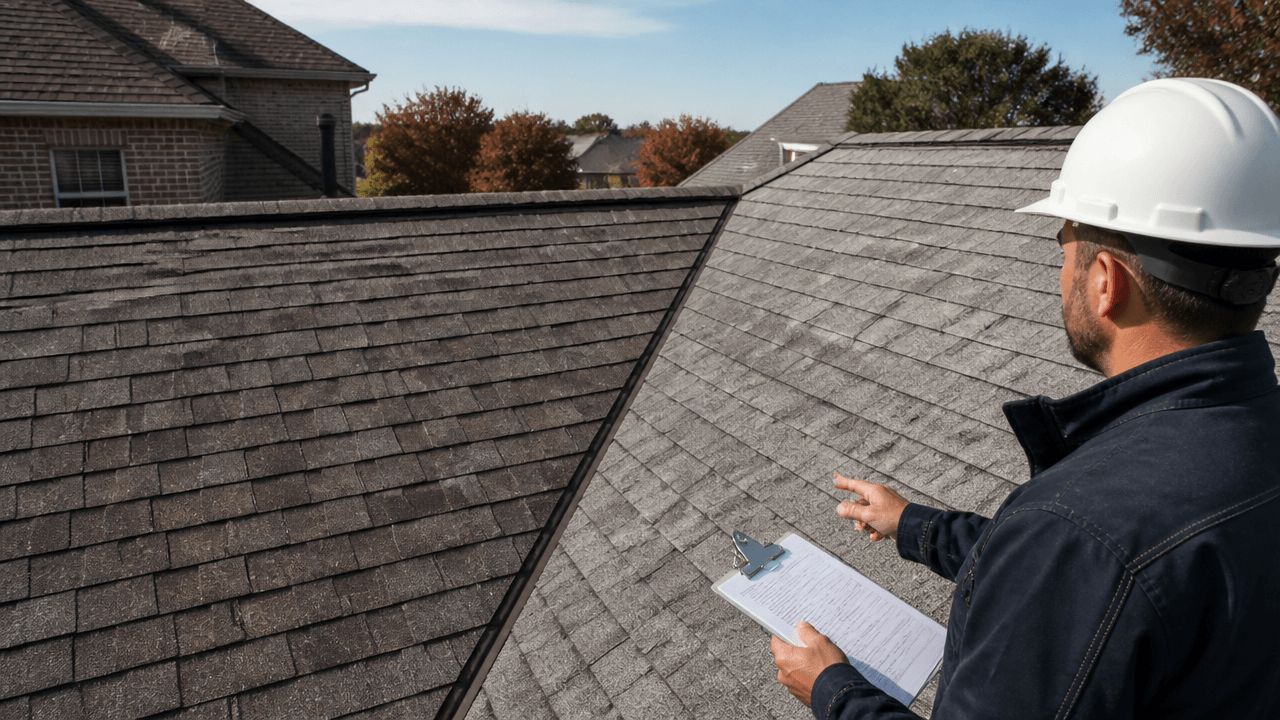
However, the task of inspecting roof flashing can seem daunting, and many homeowners may ponder whether it is within their DIY capabilities. While there’s merit in consulting professionals, arming yourself with the right knowledge can make a preliminary home inspection possible and beneficial. It’s about balancing the confidence to undertake your own inspection with the wisdom to recognize when to call in the experts. This initial step not only empowers you as a homeowner but also puts you in a position to act swiftly should any red flags arise. In the following sections, we’ll ensure you have the insights and checklists needed to carry out a thorough inspection, standing guard over your home as effectively as your roof flashing does.
Securing Your Home with Expert Roofing Solutions
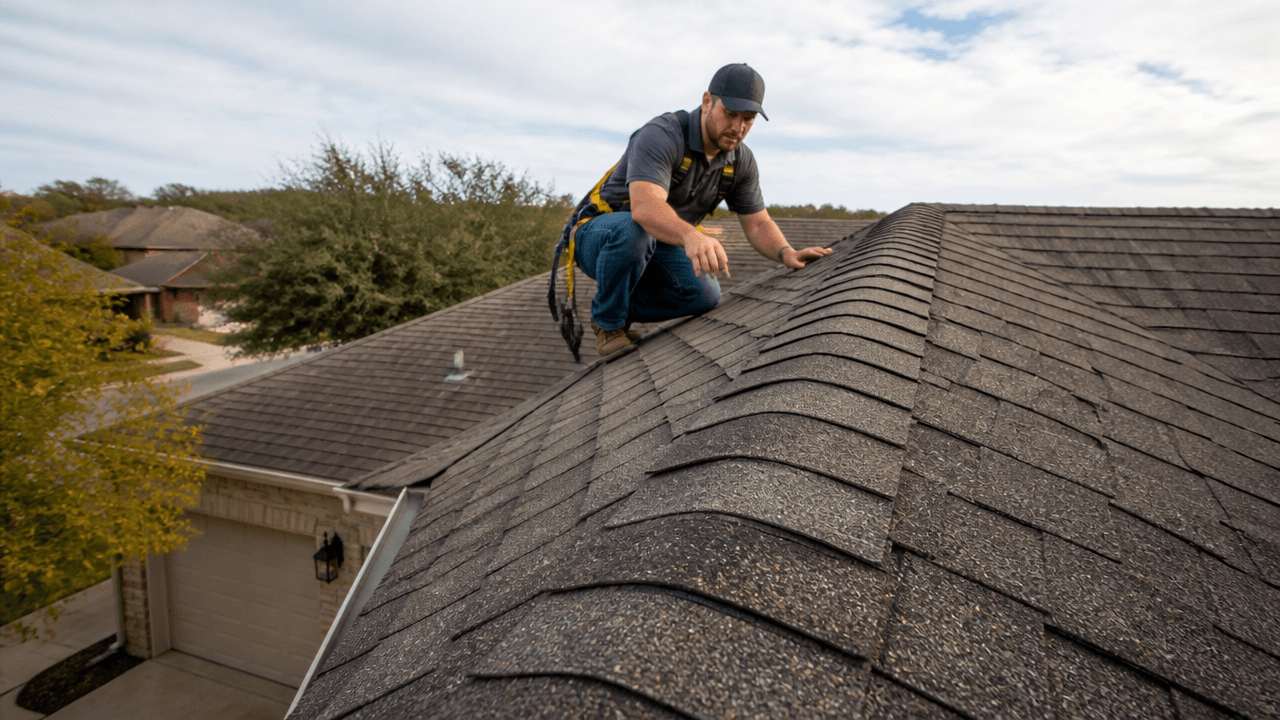
Recognizing when it’s time for professional help is a significant aspect of responsible home maintenance. While an initial personal inspection has its merits, it’s not a substitute for the trained eye of an experienced roofer who can uncover and address issues you may overlook. It’s especially crucial if you’re not comfortable or equipped to safely navigate your roof. For guidance and expert roofing services, consider reaching out to trusted local professionals who specialize in residential roofing services. They can provide comprehensive assessments and solutions tailored to your home’s specific needs.
The cycle of maintenance for your roof flashing follows a simple principle: regular checks prevent unexpected repairs. By setting a consistent maintenance schedule, you stay ahead of potential issues that could otherwise go unnoticed until they cause significant damage. For example, after every winter season, a thorough examination of the flashing and other roofing components should be on your to-do list. This habit not only ensures the longevity of your roof but also maintains your peace of mind knowing your home stands well-guarded against nature’s elements. Don’t underestimate the value of a detailed checklist to track the condition of your roof over time.
In conclusion, the role of roof flashing in protecting your home from water damage cannot be overstated. Your vigilance in post-winter inspections can make all the difference in preventing small problems from escalating into costlier ones. Whether you opt for DIY inspections or professional assessments, staying informed about the proper care and maintenance of your roof is key. Trust in your ability to recognize potential issues and in the expertise of professionals to address them. Remember, a well-maintained roof ensures that your home remains secure and dry through all seasons.
Expert Insights on Roof Flashing Care
Tip 1:
Check the flashing for any visible signs of rust or corrosion, as these can lead to serious leaks. If any discoloration or rust is present, it may be time to replace the affected sections.
Tip 2:
Ensure that the seals around the flashing are intact and haven’t been lifted or broken by winter winds. A compromised seal can allow water to penetrate and cause damage to the underlying structure.
Tip 3:
Look for any gaps or cracks in the flashing material. These can expand and contract with freeze-thaw cycles in the winter, necessitating prompt repairs to prevent water ingress.
Tip 4:
Be cautious of any accumulated debris around the flashing areas, such as leaves or branches, which can keep moisture trapped against the roof and lead to decay or mold.
Tip 5:
Consider a professional inspection if you’re unsure about your roof’s condition. Professionals have the necessary tools and expertise to safely perform detailed inspections and carry out any required maintenance tasks.
Your Roof Flashing Queries Answered
What are the signs that roof flashing may be damaged after winter?
Signs of damage can include visible rusting, cracks in the flashing material, or any signs of separation or lifting where the flashing adjoins the roof.
How often should roof flashing be inspected to prevent water damage?
It’s best to inspect your roof flashing at least twice a year; however, after the winter season, a dedicated inspection is crucial due to potential damage from ice and snow.
Can I inspect roof flashing myself, or should I hire a professional?
While homeowners can perform basic visual inspections, it is wise to hire a professional roofer for a comprehensive assessment, especially if you suspect any damage.
What maintenance tips can extend the life of my roof flashing?
Regular cleaning to remove debris and checking sealant integrity can significantly extend the lifespan of your roof flashing and prevent early deterioration.
What steps should I include in my roof inspection checklist to assess the integrity of the flashing?
Include checking for rust, sealant failures, proper alignment, and any loose or damaged sections in your checklist to ensure the roof flashing remains effective.