• Overview of how storm damage impacts roofs, gutters, and siding
• Essential tips for repairing and mitigating damage from severe weather
• Strategies to maintain structural integrity and prevent future damage
Understanding the Aftermath of a Storm
When the skies clear after a tumultuous storm in Houston, the relief felt by homeowners is often short-lived as they assess the potential damages to their property. From the initial survey of the surroundings, it’s imperative to recognize the signs of storm damage to roofs, gutters, and siding. Such damages can range from the obvious, like missing shingles or dented gutters, to the subtle, such as small cracks in siding that can escalate if unaddressed. This early detection is crucial in preserving the integrity of a home and preventing the small issues from becoming costly repairs. Identifying these problems early can save homeowners a significant amount of time, money, and stress in the long run.
Storms, especially those in the spring season of Houston, TX, come with a variety of challenges that test the resilience of our homes. The roof, being the first line of defense, can sustain varying degrees of damage—from granules stripped from shingles to gaping holes that welcome water ingress. Similarly, gutters can fill with storm debris, leading to blockages that, if ignored, cause water to back up and infiltrate the roof and walls. Sidings aren’t spared either, as they face the brunt of wind-blown debris, potentially leading to unseen cracks that compromise the home’s insulation. It’s these details every homeowner should be well-informed about to ensure the longevity of their shelters.
An immediate concern for homeowners after a storm is determining what steps to take to mitigate and address any damage. A frequently asked question is, “What should I look for when inspecting my home post-storm?” The answer lies in conducting a thorough and systematic evaluation, starting with the roof and working downward. Not every sign of damage is apparent, which is why close inspection and sometimes professional assessment are necessary to catch the early warnings. It’s this proactive approach that safeguards your abode from further deterioration and ensures peace of mind during Houston’s stormy springs.
Diving Deeper into Storm Protection for Your Home
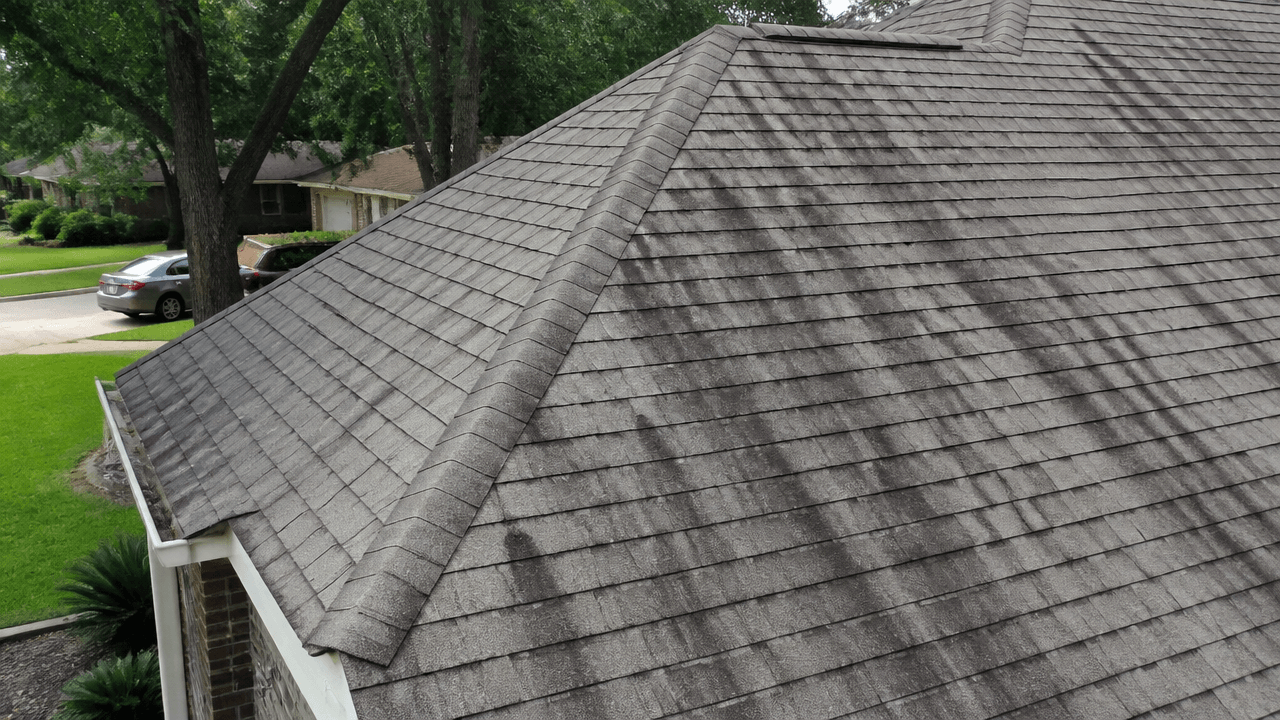
Hail can be a roof’s worst adversary, leaving behind not only visible indentations but also subtler signs of damage that go unnoticed to the untrained eye. The integrity of the roofing materials can be compromised, stripping away vital granules that protect shingles from the sun’s UV rays and decreasing their lifespan dramatically. These granules, once dislodged, often accumulate in gutters, exacerbating potential issues by blocking water flow and leading to overflow that can damage both the roofline and the home’s foundation. It is therefore essential to schedule regular inspections and maintenance, particularly after hailstorms, to ensure these problems are nipped in the bud. Homeowners are encouraged to contact professionals skilled in identifying and repairing such damage, ensuring that their homes remain secure and dry.
When considering your home’s defenses against storm damage, gutters might not be the first thing that comes to mind, yet they play a critical role in preserving your home’s structural integrity. A well-maintained gutter system efficiently channels water away from your foundation but can become vulnerable when clogged with leaves, twigs, and other storm debris. This interference can lead to backed-up water that poses a risk to your roof, sidings, and even your home’s interior if left unchecked. Clearing gutters regularly and installing gutter guards are proactive steps toward maintaining the efficacy of your drainage system. Remember, for expert gutter maintenance and installation services, it’s best to consult with trained professionals.
The condition of your home’s siding is often a clear indicator of how well it has weathered a storm. Whether it’s vinyl or wood, your siding can sustain cracks or breaks due to the harsh impact of storm conditions, affecting not just the aesthetic but also the functional aspect of protecting your home against the elements. These damages left unaddressed can escalate, allowing moisture to penetrate, which may lead to mold growth and poor insulation. It’s critical to perform detailed post-storm assessments and engage in appropriate restoration techniques to avoid long-term repercussions on your home’s energy efficiency and comfort. In such scenarios, a professional assessment can be the difference between a simple repair and a full-blown renovation project.
Insights From The Experts
Tip 1:
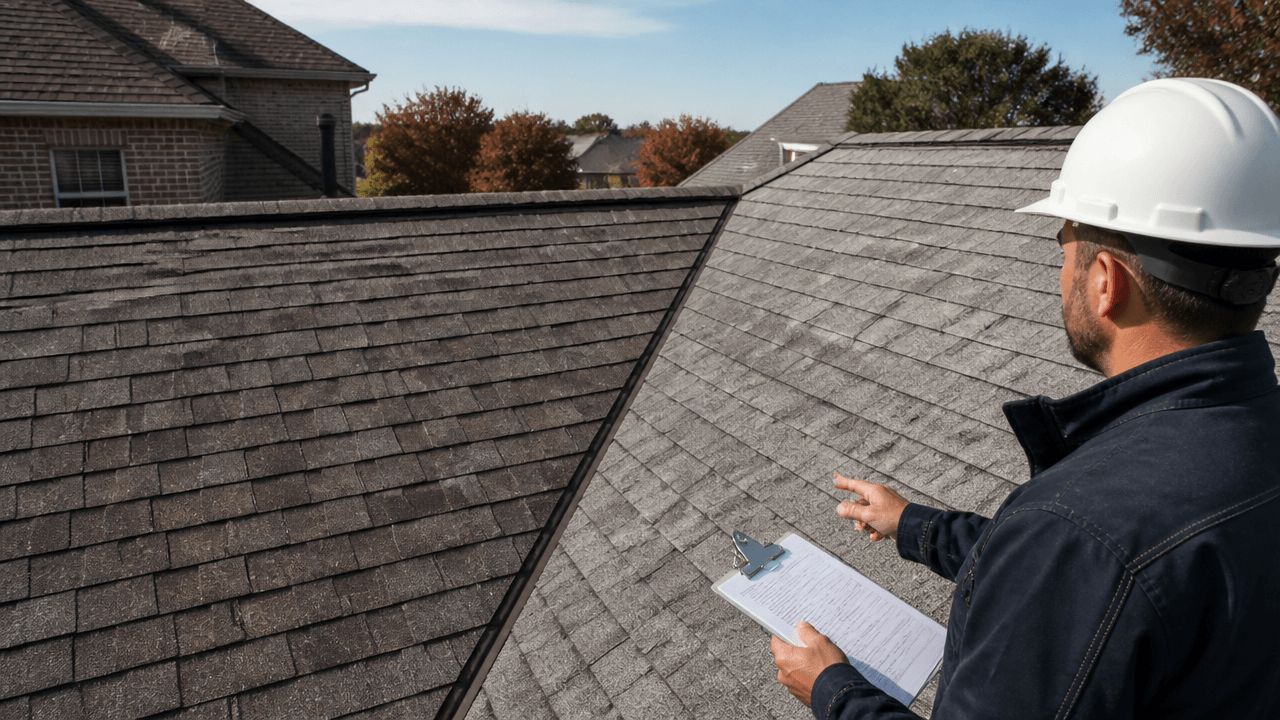
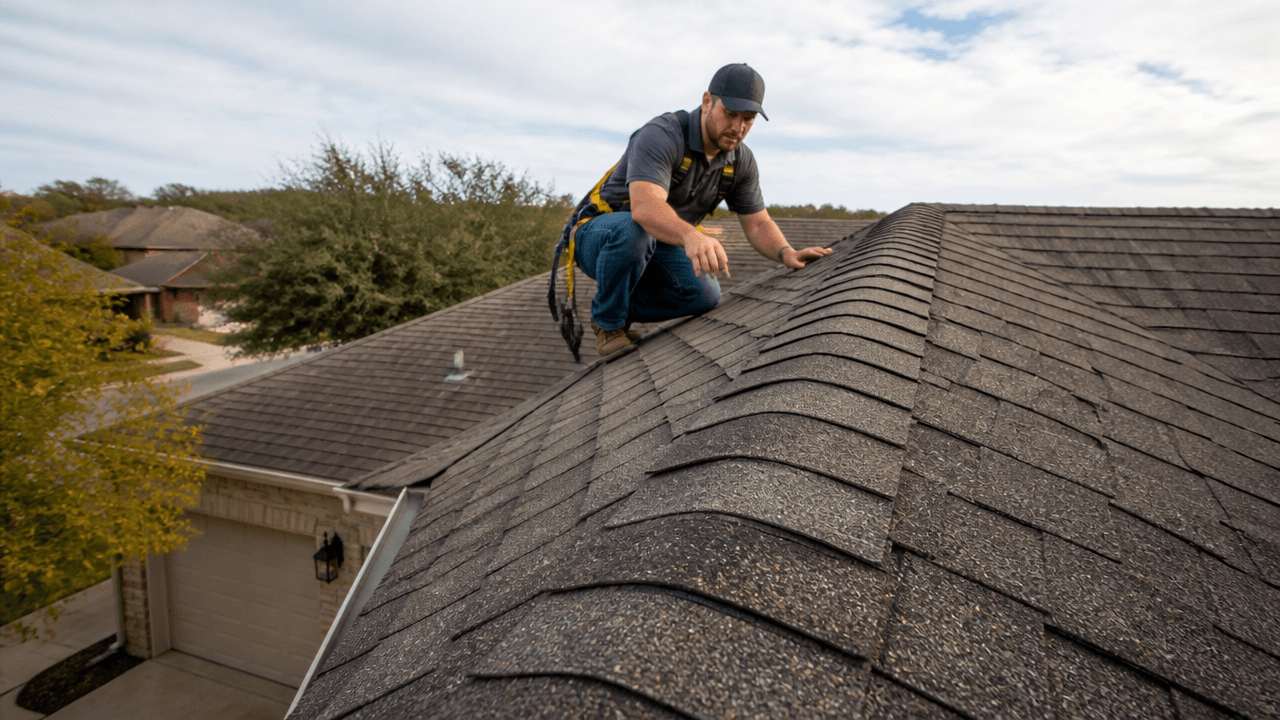
After any significant weather event, perform a visual inspection of your roof from the ground. Look for missing shingles, metal pieces displaced by the wind, and any debris that may have been left on your roof.
Tip 2:
Ensure that your gutters are clear of debris before a storm hits. Blocked gutters can lead to water buildup and damage not just to the gutters themselves but also to your roof and siding.
Tip 3:
Inspect your siding after a storm, paying close attention to any pieces that may have come loose or areas that show signs of impact from debris. Promptly repairing any damage can prevent long-term issues.
Tip 4:
Consider installing gutter guards if you live in an area with frequent storms. They help prevent clogs and ensure that water is appropriately diverted away from your home.
Tip 5:
Document any storm damage with photographs. This will be invaluable for insurance purposes and when consulting with roofing professionals to ensure that all issues are properly addressed.
Expert Answers to Your Roofing Concerns
How can I tell if my roof has suffered storm damage?
Look for missing or damaged shingles, dents on vents or flashing, and debris accumulation. Also, check indoors for signs of water intrusion or stains on the ceiling that may indicate leaks.
What steps should I take immediately after a storm to protect my roofing and siding?
Conduct a visual inspection for visible signs of damage and clear away any debris gently. It’s recommended to contact a professional roofer for a thorough assessment, particularly for areas that are not easily visible.
Are there any preventive measures to protect gutters from storm damage?
Regularly clean your gutters and consider installing gutter guards to prevent blockages; ensure downspouts direct water away from the foundation of your home.
How often should I inspect my siding for damage after a severe weather event?
It’s wise to inspect your siding after every severe weather event to catch and address any damage early, preventing small issues from escalating.
What signs indicate that my roof, gutters, or siding may need professional repairs?
Significant signs include large amounts of granules in gutters, sagging or separated gutters, visible cracks or warping in siding, and water stains on interior walls.
Sealing the Deal: Post-Storm Recovery and Prevention
Swift and calculated action following a storm can dramatically alter the outcome for homeowners facing potential damage. Recognizing early signs of wear and calling in certified professionals can significantly decrease the likelihood of mild weathering turning into major repairs. For instance, ensuring your roof is shored up can not only prevent leaks but also protect the underlying attic space and the possessions within. The siding and gutters form a critical boundary that shields your home from water damage, whose integrity is paramount post-storm. Timely repairs ensure your home’s resilience for future weather challenges, offering not just comfort but also peace of mind.
Professional inspections are an integral part of home maintenance and should not be skimped on, especially after a disruptive storm. These evaluations provide a comprehensive analysis of how your home has coped with the harsh elements and what needs to be done to restore its defenses. By pinpointing potential vulnerabilities, experts can offer customized solutions that range from minor fixes to full-scale renovations. Such thorough scrutiny not only protects your home but also bolsters its value—a win on all fronts. Partnering with a trusted contractor like Imperial Roofing can help ensure that your home stands strong year-round.
Concluding thoughts on storm damage invoke not just the necessity for repairs but also the importance of being well-prepared for any eventuality. Documentation of any upkeep and repairs becomes invaluable, particularly for insurance claims, portraying a well-maintained home to agencies. Homeowners should remember that some damages are not immediately obvious and may surface later, which is why retaining a record is prudent. Moreover, proactivity with preventive measures such as gutter guards or reinforced siding acts as a cost-saving insurance against the unpredictable. Above all, trust in a reputable contractor is the key to ensuring that when storms threaten, your home stands unfazed and secure.