• Act quickly after roof damage to stop leaks, protect your home, and keep small problems from turning into bigger repairs.
• Use a simple storm damage checklist to inspect shingles, flashing, gutters, and the attic before the next round of rain.
• Get expert help for storm damage restoration for residential roofs so repairs are handled safely, correctly, and on time.
Protecting Your Home After Roof Damage
The main goal of storm damage restoration for residential roofs is to stop small problems from turning into costly repairs. Homeowners in Frisco, TX should act fast after spring storms to protect the roof, attic, and interior of the house.
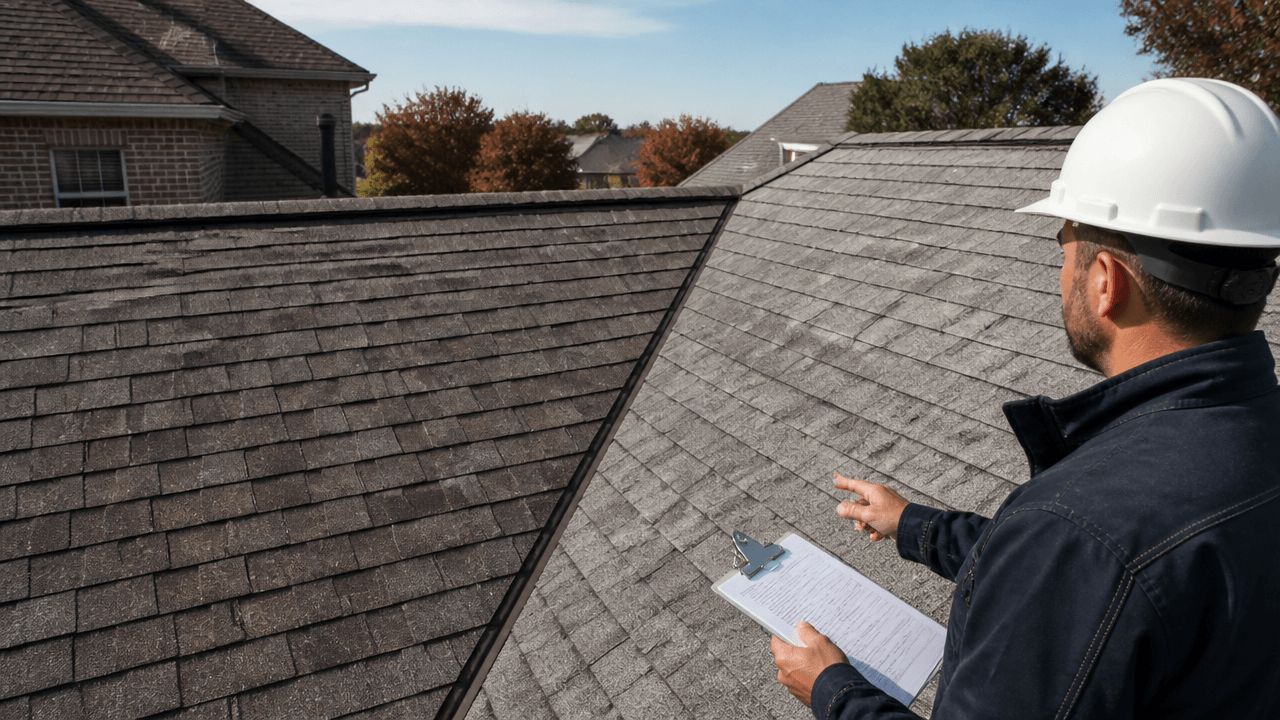
A careful inspection can help find missing shingles, soft spots, and leaks before they spread. If damage is found, the next step is to schedule repairs through a trusted local team like residential roofing services that can restore the roof properly.
Fast action gives your home a better chance of staying dry and safe through more spring weather. With the right plan in place, storm damage restoration for residential roofs helps homeowners handle repairs early and avoid larger issues later.

Storm Damage Repair Checklist
Use this checklist to move from inspection to action with a clear plan after a spring storm in Frisco, TX. It will help you stay focused on the steps that matter most for storm damage restoration for residential roofs.
- ✅ Check the roof for missing, cracked, or lifted shingles
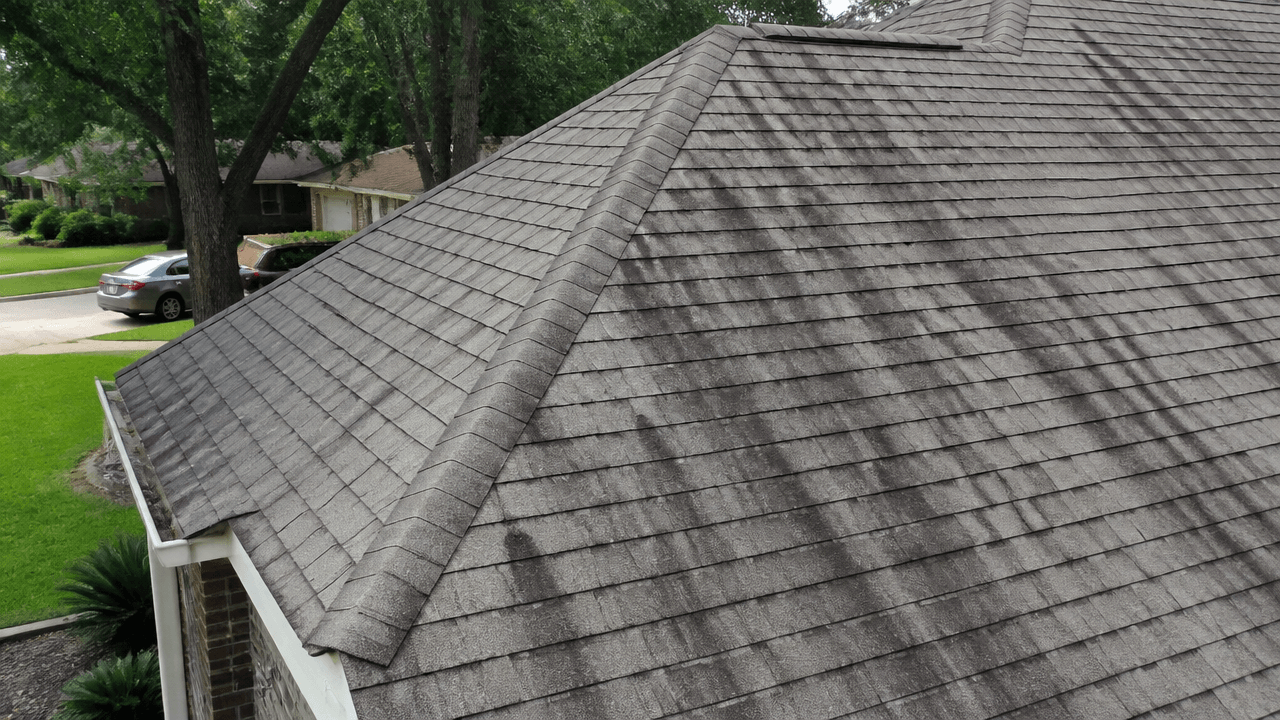
- ✅ Look for dents, bruising, or dark spots from hail
- ✅ Inspect gutters, flashing, and vents for storm damage
- ✅ Check the attic for water stains or damp insulation
- ✅ Take clear photos of any visible damage
- ✅ Contact a local roofer for a full roof inspection
- ✅ Schedule repairs before the next round of rain
- ✅ Keep records for insurance and repair follow-up
This checklist gives homeowners a simple way to respond after a storm and protect their property. The sooner each step is handled, the easier it is to limit extra damage and keep repairs on track.
Staying organized also makes the repair process less stressful when weather changes fast in spring. By following these steps, you can move forward with storm damage restoration for residential roofs in a smart and timely way.
Additional Advice
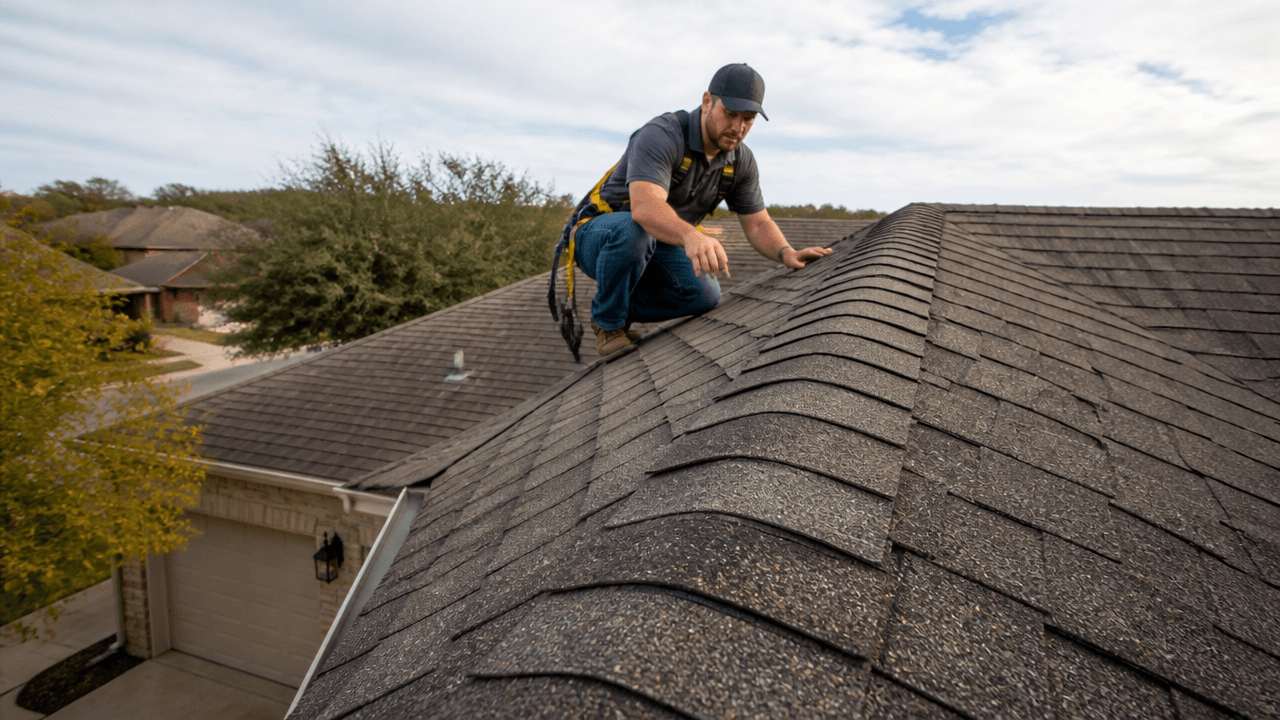
After a storm, safety should come first, especially if shingles are loose or parts of the roof look unstable. A quick visual check from the ground is fine, but it is best to leave close-up work to a trained roofing team.
Many homeowners wait too long because the damage looks small at first, but minor roof issues can spread fast in spring rain. If you need help from a local team, visit our website to learn more about getting the right support for your roof.
One common mistake is patching over a problem before finding the full cause of the leak. That can hide deeper damage and lead to more repairs later, which is why careful roof damage assessment matters.
Good documentation also helps when you speak with your insurance provider and plan the next steps. Keeping notes, photos, and repair details together gives you a stronger case and a smoother repair process.
Frequently Asked Questions
What should I do first after storm damage to my roof?
First, check your property from the ground and look for signs of damage like missing shingles or debris. Then call a roofing professional for storm damage restoration for residential roofs before the problem gets worse.
How do I know if my roof has hail damage?
You can often spot hail damage by looking for dents, bruised shingles, or granule loss on the roof. If you are unsure, a roofer can inspect the surface and confirm whether repairs are needed.
Can small roof damage turn into a bigger problem?
Yes, even small roof damage can grow into a major leak if it is left untreated. Water can move into the attic, walls, and insulation, which makes repairs more costly later.
How soon should I schedule storm damage repairs?
You should schedule repairs as soon as possible after the storm passes and it is safe to do so. Quick action helps protect your home from rain, moisture, and added structural damage.
Does storm damage restoration for residential roofs help with insurance claims?
Yes, storm damage restoration for residential roofs often includes documentation that can support your insurance claim. Photos, inspection notes, and repair estimates help show the extent of the damage clearly.
Final Thoughts on Roof Recovery
Spring storms can leave behind damage that is easy to miss, but fast action can make a big difference. A careful inspection, a solid repair plan, and the right roofing help can keep your home protected.
When you handle roof problems early, you reduce stress and lower the chance of bigger issues later. For more updates and local roofing insight, be sure to follow us on social media.