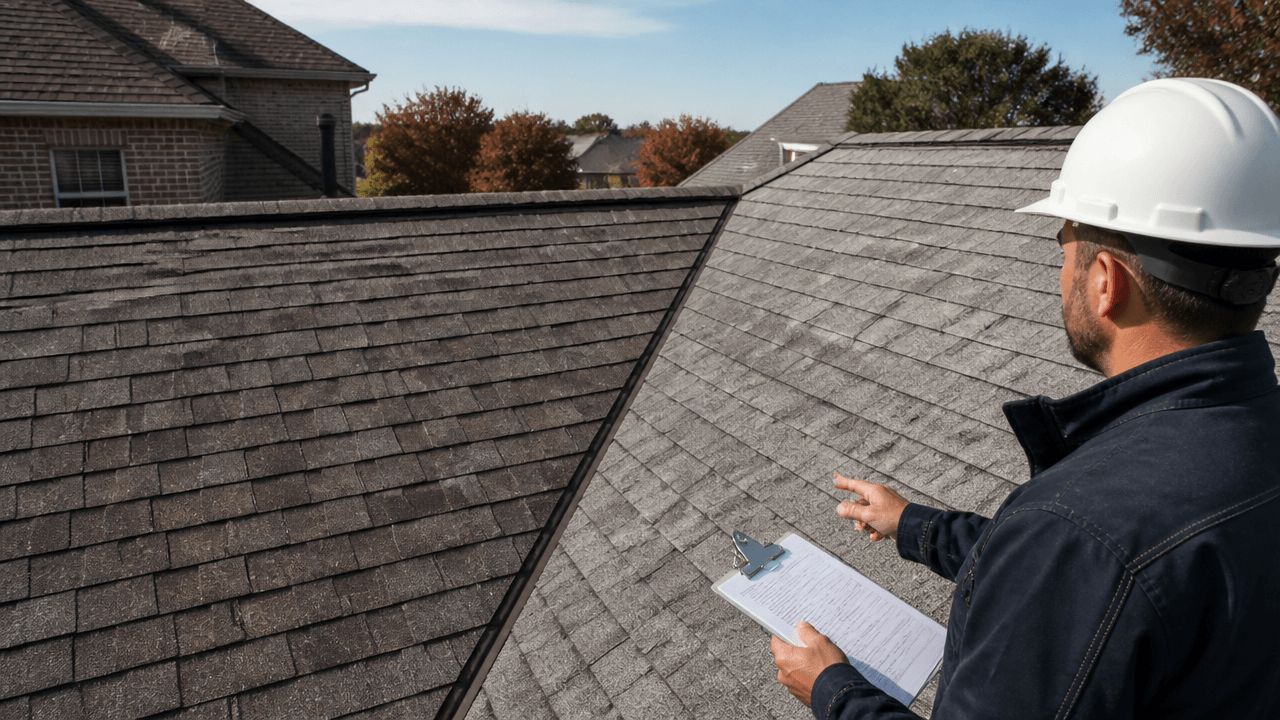
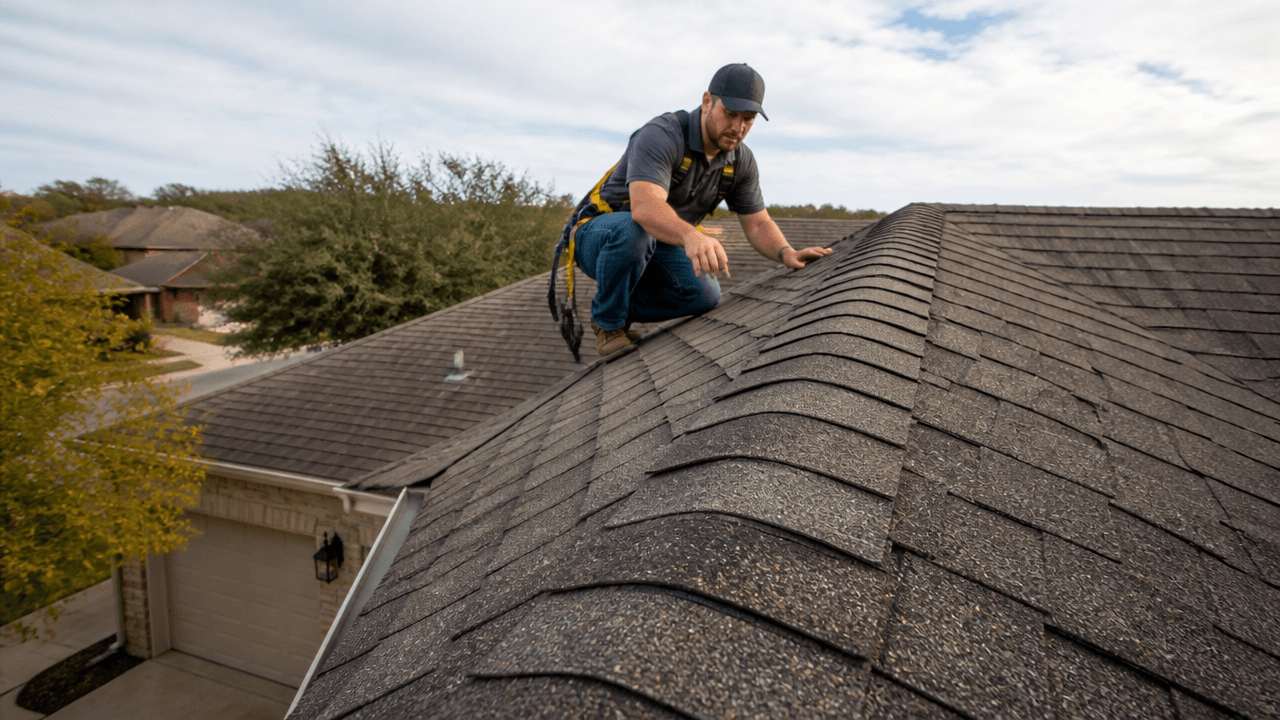
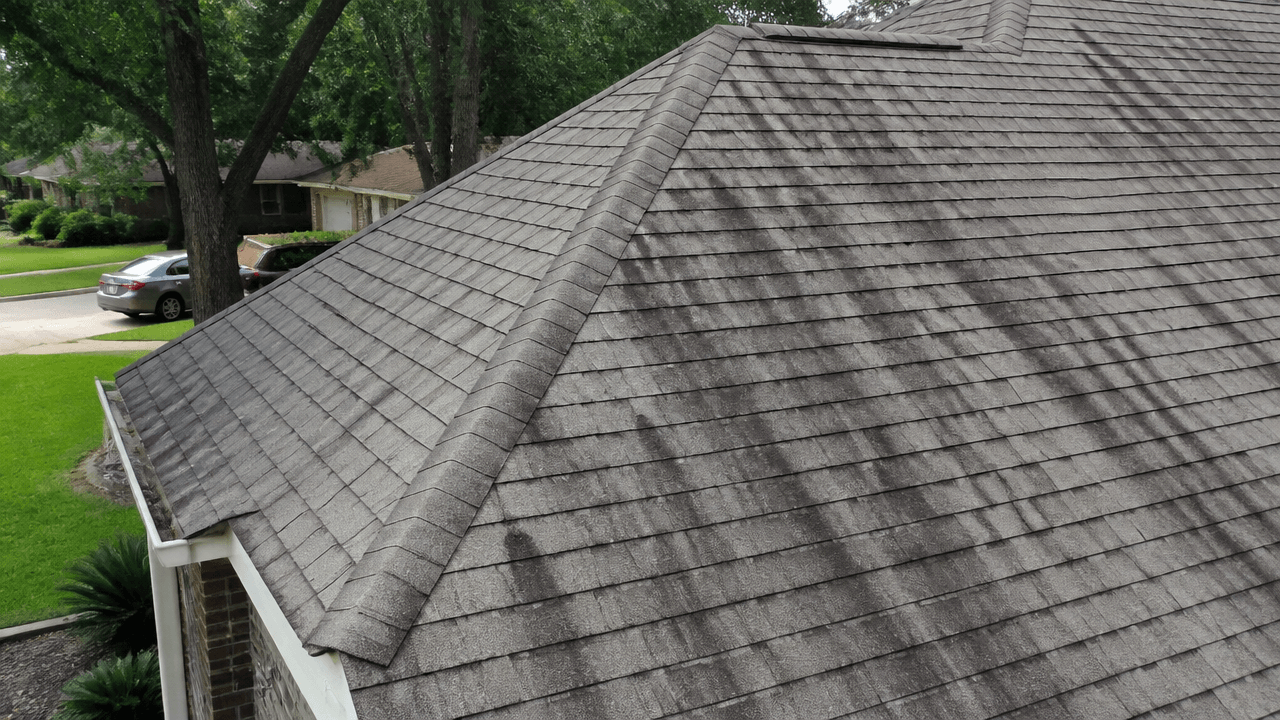
• Low slope and steep slope roofs handle rain, heat, and maintenance in different ways, so the best choice depends on the building and Houston’s weather.
• Roof pitch affects drainage, material choice, and long-term upkeep, which makes it important to spot risks early before small issues turn into leaks.
• These tips explain how to compare roof types, choose the right fit, and protect your property with smarter roofing decisions.
Why Roof Slope Matters in Houston
When we look at roofing choices in Houston, the shape of the roof can make a bigger difference than many people expect. Heat, heavy rain, and sudden storms can put stress on a roof in different ways, especially when comparing a low slope and a steeper one. If you are trying to understand low slope vs steep slope roofing compared, timing matters because small issues can turn into costly repairs fast.
A roof that does not move water away well can leave a home open to leaks, worn materials, and early damage. That is why the roof type should match both the building and the weather patterns we see here in Houston. For homeowners and property managers, getting clear on the basics early can save time, money, and stress later.
We also know that the right roofing choice can affect how often a roof needs attention over time. Some roofs shed water faster, while others need more care to stay in good shape during spring storms. If you want local help from a team that understands the area, our residential roofing services can be a good place to start.
How Each Roof Type Handles Weather
Low slope roofs and steep slope roofs each come with their own strengths, and the better option depends on the structure and use of the building. A low slope roof is often easier to walk on and may work well for certain modern homes or commercial spaces, but it usually needs careful drainage planning. A steeper roof tends to move rainwater more quickly, which can be helpful during Houston’s frequent spring showers.
Material choice also matters because not every roofing product performs the same on every slope. Some systems are built to handle standing water better, while others are made to shed rain as fast as possible. When we compare low slope vs steep slope roofing compared, we always look at how the roof, the weather, and the building design work together.
It is also smart to think about long-term upkeep before making a decision. A roof that fits the building well may need fewer emergency fixes and less worry during storm season. For property owners who want support beyond the roof itself, our general contracting services can help with related needs around the home or building.
Tips from the Pros
🌧️ Tip 1: Watch How Water Moves
Check how quickly rain leaves the roof after a storm. Low slope systems need careful drainage because water can sit longer on the surface.
🔎 Tip 2: Look for Ponding Areas
Flat or low slope roofs should not hold water for long periods. Standing water can wear down materials and raise the chance of leaks.
🛠️ Tip 3: Match Material to Roof Pitch
Some materials work better on steep roofs, while others are made for flatter surfaces. Choosing the wrong match can shorten the life of the roof.
📋 Tip 4: Review Maintenance Needs Early
A steeper roof may shed rain well, but it still needs regular checks. Low slope roofs often need more attention because debris and water can collect more easily.
☀️ Tip 5: Think About Houston Weather
Spring in Houston can bring heavy rain and strong sun in the same week. That mix can speed up wear if the roof system is not built for local conditions.
🧰 Tip 6: Inspect Flashing Carefully
Flashing helps protect roof edges, joints, and weak spots. On both roof types, damaged flashing is one of the most common paths for leaks.
🏠 Tip 7: Consider the Building Design
The roof should fit the structure, not just the style. A good design choice supports drainage, durability, and easier upkeep over time.
🕒 Tip 8: Act at the First Sign of Trouble
Small stains, loose shingles, or bubbling materials should not wait. Early action can prevent a minor issue from turning into a larger repair.
Frequently Asked Questions
What is the main difference between low slope and steep slope roofing?
The main difference is how each roof handles water and uses materials. Low slope roofs need stronger drainage planning, while steep slope roofs shed rain more quickly. When people ask about low slope vs steep slope roofing compared, the slope usually affects both performance and upkeep.
Which roof type is better for heavy rain?
A steep slope roof is often better for heavy rain because it helps water run off faster. That said, a well-built low slope roof can still perform well if the drainage system is designed properly. The best choice depends on the building and local weather.
Do low slope roofs need more maintenance?
Yes, low slope roofs often need more routine care because water and debris can collect more easily. Regular checks help spot drainage problems, cracked areas, and early signs of wear. This is especially important during Houston’s wetter months.
Can a steep slope roof last longer than a low slope roof?
Yes, a steep slope roof can last longer in some cases because it moves water away more efficiently. However, roof life also depends on material choice, installation quality, and ongoing maintenance. A well-kept low slope roof can also last for many years.
How do I know which roof slope is right for my building?
The right roof slope depends on the building design, drainage needs, and the weather in your area. A roofing professional can look at the structure and help decide what will work best. If you are comparing low slope vs steep slope roofing compared, the safest choice is the one that fits both the property and the climate.
Wrapping Up the Roof Slope Decision
Choosing between roof styles is not just about looks, because slope affects drainage, upkeep, and long-term performance. In Houston’s spring weather, that choice can matter even more when rain and heat arrive close together. If you understand the differences early, you can make a smarter decision for your property.
We believe the best roofing plan starts with the building’s needs and the local climate. That is why we focus on helping property owners make clear, practical choices that hold up over time. To stay connected with our work, follow us on social media.