• Low-slope roofs in Plano face extra stress in summer from heat, storms, and standing water, so quick action helps prevent small issues from turning into costly damage.
• A simple maintenance routine should focus on inspecting the roof surface, clearing debris, checking drains, and repairing seams or flashing before problems spread.
• DIY mistakes like skipping inspections, ignoring drainage, or delaying repairs can lead to leaks, which is why regular summer care matters for roof protection and peace of mind.
Why Summer Roof Care Matters in Plano
Summer heat in Plano can be hard on a low-slope roof. Strong sun, sudden storms, and standing water can all cause small problems to grow fast. When those issues are ignored, a roof that should protect the building can start causing stress instead of stopping it.
That is why low slope roofing maintenance in summer matters more than many property owners realize. Small signs like blocked drains, loose seams, or surface wear can lead to bigger damage if they are left alone. If you want a good starting point, our team at Imperial Roofing understands the conditions roofs face in this area.
We work with property owners who want to stay ahead of roof trouble before the weather makes it worse. A low-slope roof needs steady attention during the hottest months because heat can dry out materials and storms can test weak spots. The earlier you act, the easier it is to protect the roof and avoid costly surprises.
How We Handle Summer Roof Maintenance
Low-slope roofs need a careful approach because water moves more slowly across them than it does on steep roofs. That means drainage, seams, and surface condition all matter during summer. When we inspect a roof, we look for areas where heat, moisture, and debris may be working together to cause damage.
We also pay close attention to places where water tends to sit after rain, because those areas often show trouble first. On buildings that need ongoing care, our commercial roofing services are designed to help catch issues early and keep the roof performing well. That kind of attention is especially useful in a season when storms can arrive fast and heat can wear down roofing materials.
Step-by-Step Guide to Summer Roof Care
🔍 Step 1: Inspect the roof surface
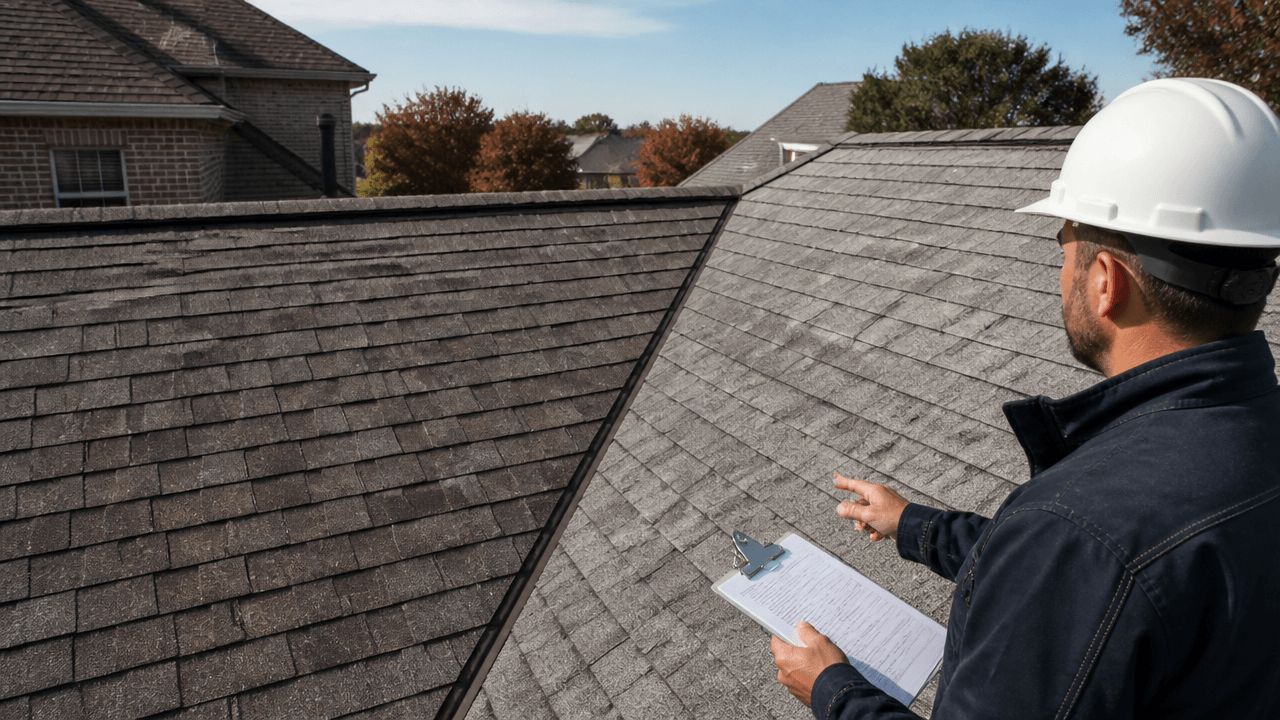
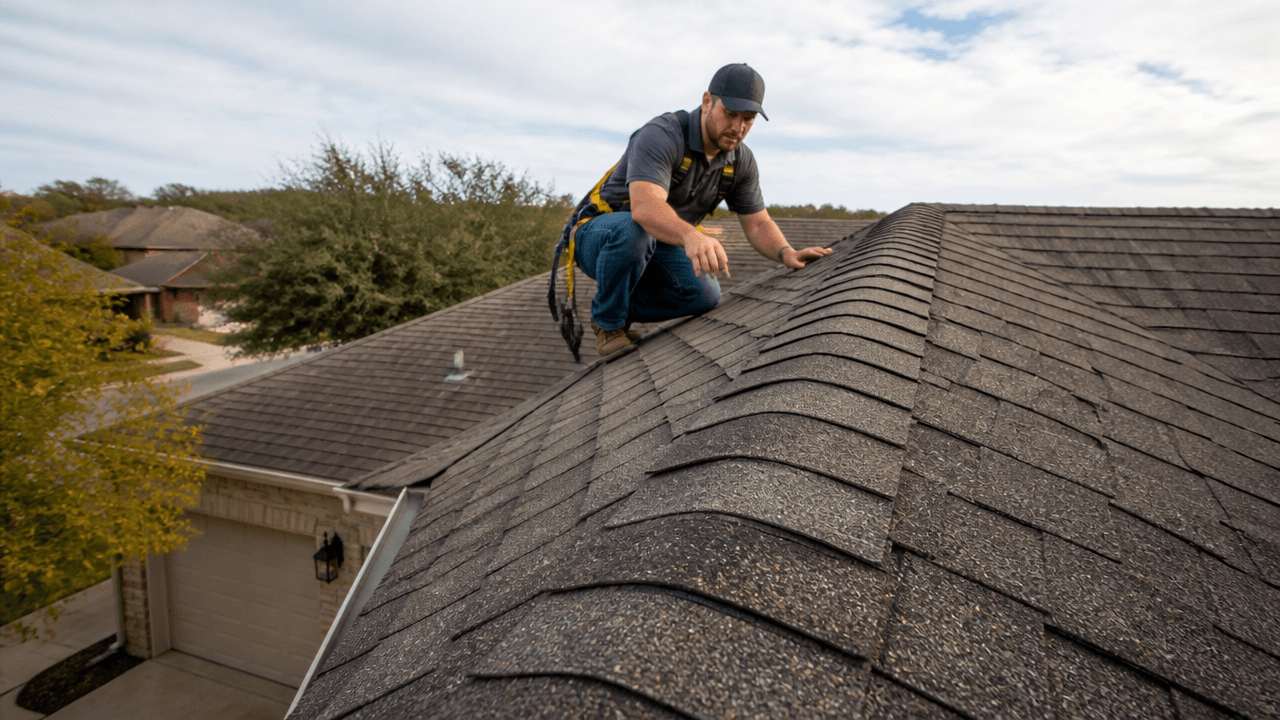
Start by looking for cracks, blisters, loose seams, and worn spots on the roof surface. These signs can show where heat and weather have already started to wear down the material. A careful inspection helps you catch small problems before they turn into leaks.
🧹 Step 2: Remove debris
Clear away leaves, branches, dirt, and anything else that can block drainage or trap moisture. Debris can hold water in place and increase the chance of roof damage during summer storms. Keeping the surface clean helps the roof dry faster after rain.
🚿 Step 3: Check drains and scuppers
Make sure drains, gutters, and scuppers are open and moving water away from the roof. Low-slope roofs depend on working drainage because standing water can put extra stress on the system. If water cannot move off the roof, damage can build up quickly.
🧱 Step 4: Look at seams and flashings
Inspect seams, edges, and flashing around roof penetrations for signs of lifting or separation. These are common weak points because they take a lot of stress from heat and movement. Keeping them in good shape helps reduce the chance of leaks.
🌡️ Step 5: Watch for heat-related wear
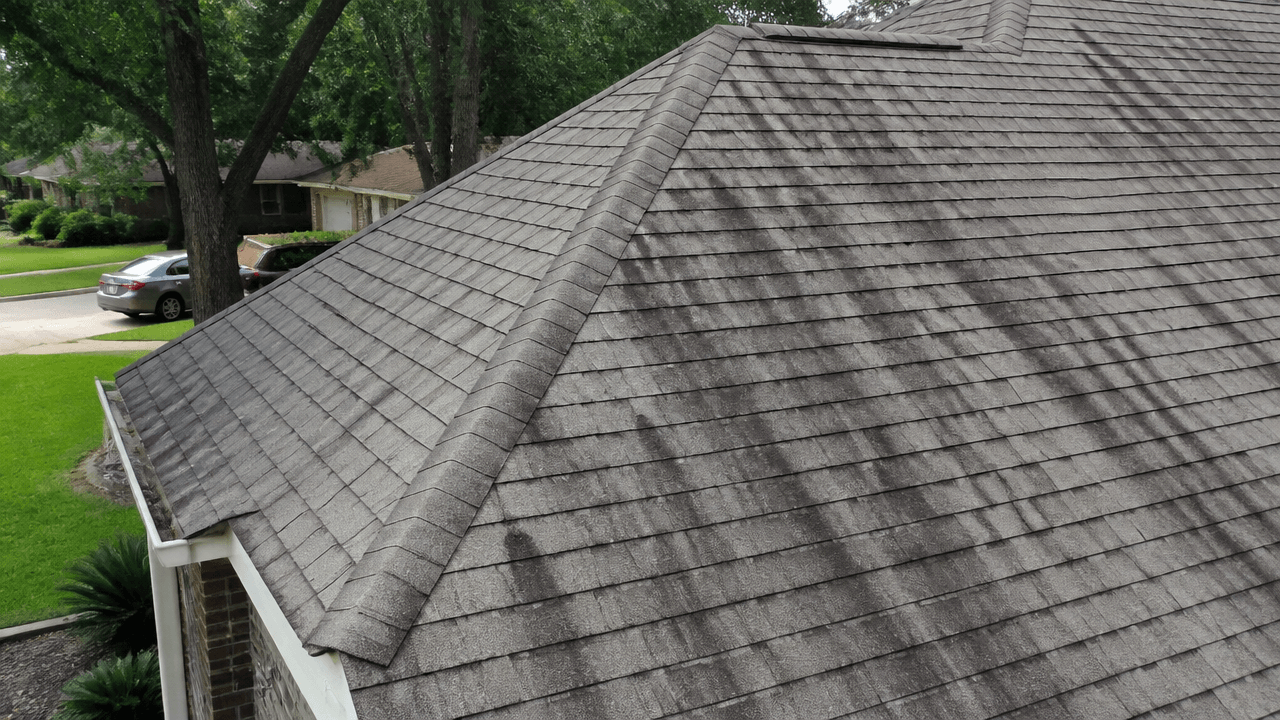
Check for surface changes caused by strong sunlight and high temperatures. Summer heat can dry out some roofing materials and make them more likely to crack or split. Finding heat damage early gives you a better chance to stop further problems.
🌧️ Step 6: Review the roof after storms
After heavy rain or wind, inspect the roof again for new damage or areas where water pooled. Summer storms can create small issues that are easy to miss at first. A quick post-storm check helps you respond before the next round of weather makes it worse.
🛠️ Step 7: Repair small issues quickly
Fix minor problems as soon as you find them so they do not spread. A small crack or loose section can grow if it is left exposed to heat and rain. Fast repairs are one of the best ways to protect the roof during summer.
📋 Step 8: Set a regular maintenance schedule
Build a simple inspection and care routine for the rest of the season. Regular checks help you stay ahead of damage and keep the roof working as it should. Consistency matters most when summer weather puts extra pressure on the system.
Common DIY Mistakes to Avoid
Many people try to handle roof care on their own and miss warning signs that are easy to overlook. Summer roof issues often start small, so a rushed or incomplete job can leave major problems behind. Knowing the most common mistakes can help you avoid damage and save time later.
- ⚠️ Mistake 1: Skipping the full inspection
Some people only look at the roof from one angle and miss cracks, seam issues, or soft spots. This happens because the damage may not be easy to spot without a careful check. To prevent it, inspect the roof methodically and cover the entire surface. - ❌ Mistake 2: Leaving debris on the roof
Debris can block drainage and trap moisture, but it is often ignored because it does not seem urgent. The problem is that summer rain can turn that debris into a water trap. Clear the roof surface fully so water can move the way it should. - 🚫 Mistake 3: Forgetting to check drainage points
Drains and scuppers are easy to overlook when people focus only on visible roof wear. This mistake happens because drainage problems often stay hidden until water starts pooling. Prevent it by checking every drainage point during each maintenance visit. - ⚠️ Mistake 4: Delaying small repairs
A small seam gap or crack may seem harmless, so people wait to fix it. Heat, rain, and movement can make that minor problem much worse. Repair issues as soon as you find them so they do not spread. - ❌ Mistake 5: Checking the roof only after damage is obvious
Some owners wait until they see a leak before taking action, which usually means the problem has already grown. This happens when routine maintenance is not part of the plan. Prevent it by setting regular summer inspections before damage has a chance to build.
Frequently Asked Questions
How often should a low-slope roof be checked in summer?
Yes, a low-slope roof should be checked regularly during summer, especially after storms. We recommend looking for surface wear, drainage problems, and signs of standing water more than once during the season. Frequent checks help catch small issues before they turn into leaks.
What are the main signs a low-slope roof needs maintenance?
Yes, the main signs include pooling water, cracks, loose seams, damaged flashing, and debris buildup. These warning signs often show that the roof is under stress from heat or weather. low slope roofing maintenance in summer should focus on these areas first because they are the most likely to fail.
Why is summer hard on low-slope roofs?
Yes, summer is hard on low-slope roofs because heat and storms can work against the roofing system at the same time. High temperatures can wear down materials, while heavy rain can expose drainage problems. That combination makes routine care especially important.
Can I clean a low-slope roof myself?
Yes, you can clean light debris from a low-slope roof if the surface is safe to access. Use caution, because wet surfaces and loose material can make the area slippery. If the roof has visible damage or drainage issues, a professional inspection is the safer choice.
What is the best way to prevent summer roof leaks?
Yes, the best way to prevent summer roof leaks is to keep the roof clean, inspect it often, and fix small problems quickly. Drainage is especially important because standing water can lead to faster damage. Regular low slope roofing maintenance in summer gives the roof a better chance to stay dry and stable.
Final Thoughts on Summer Roof Care
Summer roof care is not something to put off when a low-slope roof is already showing signs of wear. A steady routine of inspection, cleaning, drainage checks, and fast repairs can help protect the building through the hottest months. That simple approach gives property owners more control and fewer surprises.
If you want a roof that is ready for the season, it helps to stay consistent and act early. We are here to support that process with practical service and local experience in Plano. For more updates and project insight, follow us on social media.