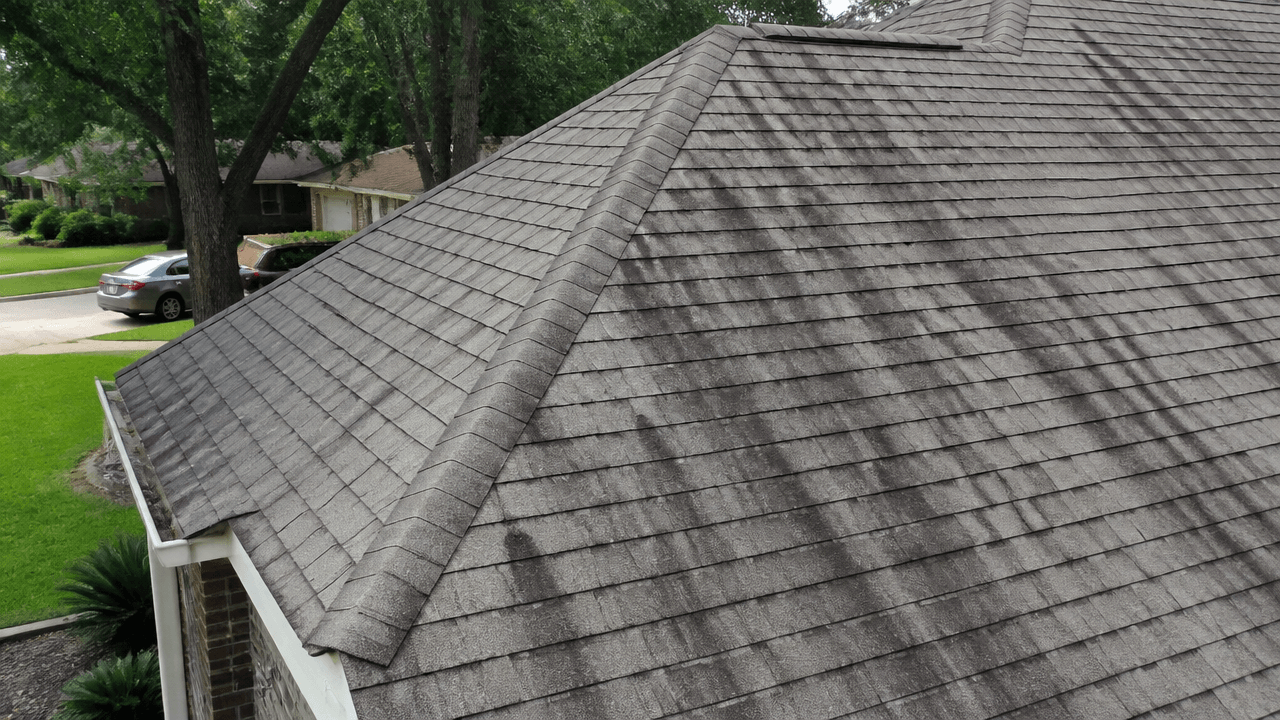
• A gutter maintenance checklist for homeowners helps prevent clogs, overflow, and water damage before Houston rain can cause bigger problems.
• Regular inspections, cleaning, and downspout checks keep gutters working properly and help protect the roof, siding, and foundation.
• Common DIY mistakes like skipping downspouts or ignoring sagging sections can lead to costly issues, so a simple routine matters.
Why Gutter Care Matters in Houston
In Houston, heavy rain can arrive fast and leave a lot of water moving across a roof in a short time. If gutters are clogged or damaged, that water has to go somewhere, and it can spill near siding, trim, and the foundation. A simple gutter maintenance checklist for homeowners helps catch these problems before they turn into bigger repairs, especially during fall weather.
We often see that small gutter issues start quietly and then show up as stains, sagging sections, or overflow during a storm. That is why paying attention early matters, because gutter problems rarely fix themselves. If you want to stay ahead of damage, our team at residential roofing services can help you protect the parts of your home that work together above and around the roof.
A clean and working gutter system also helps your roof last longer by moving water away the way it should. When leaves, dirt, and loose debris build up, the added weight can strain the system and make drainage uneven. A homeowner who checks gutters on a regular schedule has a much better chance of avoiding water backing up where it should not.
How We Approach Gutter Maintenance
We start with a close look at the whole system, not just the visible dirt in the troughs. That means checking for clogs, loose fasteners, bent sections, and signs that water is not moving through the downspouts. A good gutter maintenance checklist for homeowners should cover every part that affects drainage, because one small blockage can cause a much larger problem during a storm.
It also helps to inspect gutters after heavy rain, since that is when weak spots often become obvious. Water marks on the exterior, pools near the base of the home, or dripping from corners can all point to trouble that needs attention soon. When needed, our team at Imperial Roofing can help identify issues that may be tied to the roof edge, flashing, or gutter layout.
Step-by-Step Gutter Maintenance Guide
🧤 Step 1: Check the Area Around the Home
Look for leaves, twigs, and dirt near the roofline and downspouts before you start. This gives you a clear idea of where buildup is likely to be worst and helps you plan the work safely.
🪜 Step 2: Set Up Safe Access
Use stable equipment that lets you reach the gutters without overextending. Safe access matters because falls are one of the biggest risks in any home maintenance task.
🧹 Step 3: Remove Loose Debris by Hand
Take out leaves, roof grit, and packed material from the gutter channel. Clearing this debris first helps water move freely and makes the rest of the inspection easier.
🚿 Step 4: Flush the Gutters with Water
Run water through the gutters to see whether it flows smoothly to the downspouts. This step helps reveal hidden clogs and shows whether any section is holding water.
🔎 Step 5: Inspect for Damage
Look for cracks, rust, loose joints, and sagging spots along the gutter run. Damage can stop proper drainage and often gets worse when ignored through repeated rain.
🔩 Step 6: Check Fasteners and Hangers
Make sure the gutters are still firmly attached to the home. Loose hardware can cause sections to shift, pull away, or collect water in the wrong places.
🌧️ Step 7: Confirm Downspout Flow
Watch the water leave each downspout and move away from the foundation. If the flow is weak or blocked, water can back up and spill over the gutter edge.
📅 Step 8: Repeat on a Regular Schedule
Plan to inspect gutters more often during leaf-drop season and after major storms. Regular checks make it easier to catch small issues before they lead to water damage.
Common DIY Mistakes to Avoid
Many homeowners try to handle gutter care quickly, but rushed work can lead to missed clogs or hidden damage. The biggest problems usually happen when someone only looks at the surface and skips the parts that control how water actually drains. Careful work and a steady routine help avoid repeat issues and keep the system working the way it should.
- ⚠️ Mistake 1: Only Clearing the Visible Debris
This happens when someone removes the top layer of leaves but leaves packed material deeper in the gutter. It often happens because the gutter looks clean from the ladder, even though water can still be blocked below. To prevent it, remove all loose buildup and then flush the gutter so you can see whether the channel is truly open. - ⚠️ Mistake 2: Skipping the Downspouts
Downspouts are easy to forget because the clog is not always visible from the ground. This mistake usually happens when a homeowner focuses only on the gutter trough and assumes the water path is clear. Prevent it by checking each downspout for steady flow and clearing any backup before it causes overflow. - ⚠️ Mistake 3: Ignoring Loose or Sagging Sections
A gutter can still look usable even when it is starting to pull away from the roof edge. This often happens because the damage is gradual and does not seem urgent at first. Prevent it by checking hangers, screws, and alignment during every inspection so the system stays secure. - ⚠️ Mistake 4: Testing with Too Much Water Too Soon
Some people run a heavy stream of water before they clear debris, which can force dirt into tighter clogs. It happens because the person wants a fast result and does not realize the blockage may get worse. Prevent it by removing debris first and using water only after the channel has been cleared. - ⚠️ Mistake 5: Waiting Until the Next Storm to Check Again
This mistake leaves problems hidden until water is already spilling over the edge. It usually happens because the gutters seem fine after one cleaning and the homeowner assumes they will stay that way. Prevent it by setting a repeat inspection schedule, especially during the wetter parts of the year in Houston.
Frequently Asked Questions
How often should homeowners check their gutters?
Yes, homeowners should check their gutters at least a few times a year and after major storms. A gutter maintenance checklist for homeowners is most useful when it is used regularly, not just when problems become obvious. In Houston, extra checks during fall can help catch debris before it causes overflow.
What are the signs that gutters need cleaning?
Yes, there are clear signs that gutters need attention, including overflow during rain, visible debris, and water spilling near the foundation. Staining on the outside of the home and sagging gutter sections are also common warning signs. If you notice these issues, the gutters likely need cleaning soon.
Can clogged gutters really damage a roof?
Yes, clogged gutters can lead to roof-edge problems and water damage around the home. When water cannot move through the system, it can back up and create stress near shingles, fascia, and trim. Over time, that extra moisture can lead to bigger repair needs.
What should be included in a gutter maintenance checklist for homeowners?
Yes, a gutter maintenance checklist for homeowners should include debris removal, downspout checks, fastener inspection, and a water flow test. It should also include looking for sagging, rust, leaks, and signs of water pooling near the home. These steps help keep the system working through rainy weather.
Why is gutter maintenance important in Houston?
Yes, gutter maintenance is especially important in Houston because heavy rain can create fast water runoff around the home. When gutters clog, the overflow can reach the roof edge, siding, and foundation more quickly than many homeowners expect. Regular care helps reduce the risk of water-related damage in a busy storm season.
Keep Your Gutters Ready
A steady gutter routine can save homeowners from a lot of stress when rain moves in fast. By following each step, you lower the chance of clogs, overflow, and hidden damage around the roofline. We believe simple maintenance done at the right time makes a real difference for Houston homes.
If you want to keep learning from our team and stay connected, you can follow us on social media.