• Steep roof repairs in Houston need quick action because weather and hidden leaks can make small issues worse fast.
• A proper repair process starts with a safe inspection, then moves through damage removal, underlayment repair, sealing, and a final check.
• DIY mistakes like skipping the leak source, using the wrong materials, or working unsafely can lead to bigger roof problems.
Why Fast Roof Repairs Matter in Houston
When a steep roof starts showing signs of damage, delays can make a small issue turn into a much bigger one. In Houston, strong sun, heavy rain, and sudden weather swings can put extra stress on roof surfaces. That is why understanding the steep slope roofing repair process explained matters before the damage spreads.
A steep roof can be harder to access, which makes quick action even more important. Loose shingles, weak flashing, and small leaks can let water work its way into the roof system faster than many homeowners expect. If we ignore those warning signs, repairs often become more costly and more disruptive.
We know that fall weather in Houston can bring storms that test a roof’s strength. That is why we take roof concerns seriously and act early, starting with a careful check of the problem area through our residential roofing services. A fast response helps protect the home and keeps the repair work focused and manageable.
What We Look For During Repair
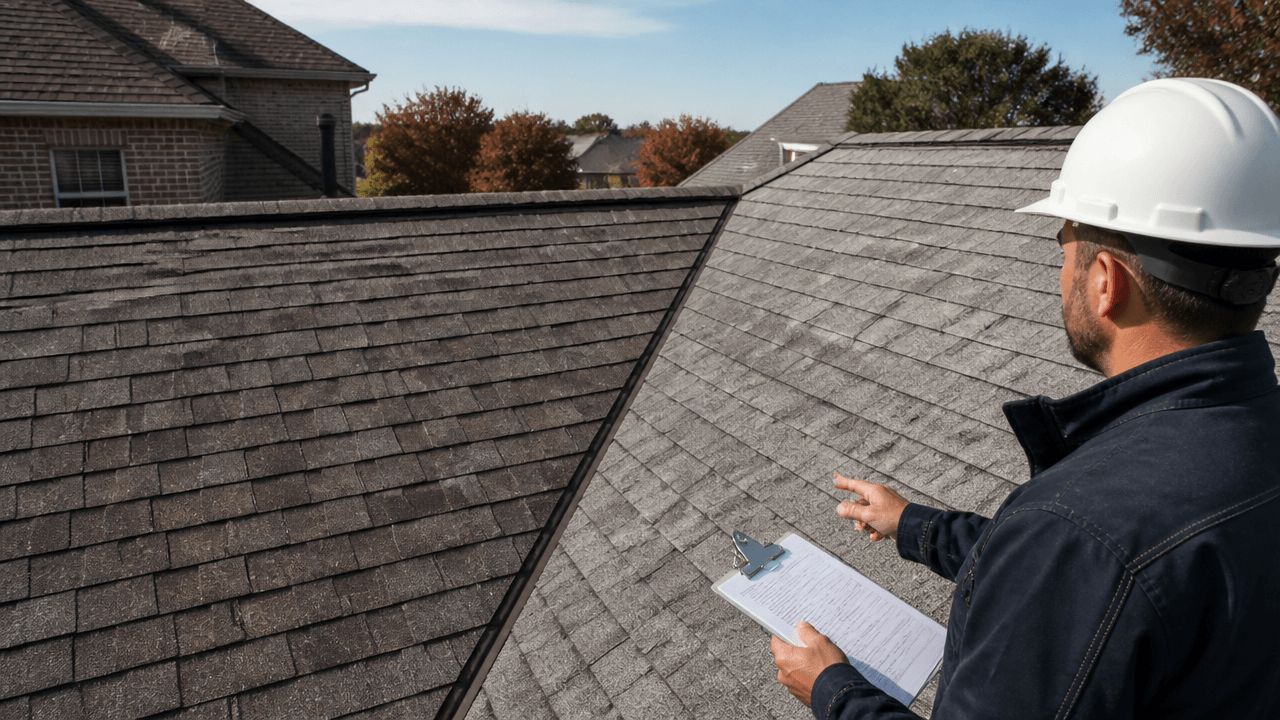
A proper steep roof repair starts with a close inspection of the surface, the edges, and the places where water can enter. We check for lifted shingles, damaged flashing, soft spots, and signs that moisture has already moved below the top layer. On a steep slope, these problem areas can be easy to miss unless the inspection is done with care.
After we find the source of the issue, we plan the repair based on the roof’s condition and the type of damage involved. Some problems need a small fix, while others require replacing larger sections to keep the roof sealed and stable. We also make sure the work area stays controlled, because steep roofs require careful footing and the right process from start to finish through our roofing services.
Step-by-Step Steep Roof Repair
🔍 Step 1: Inspect the Roof Surface
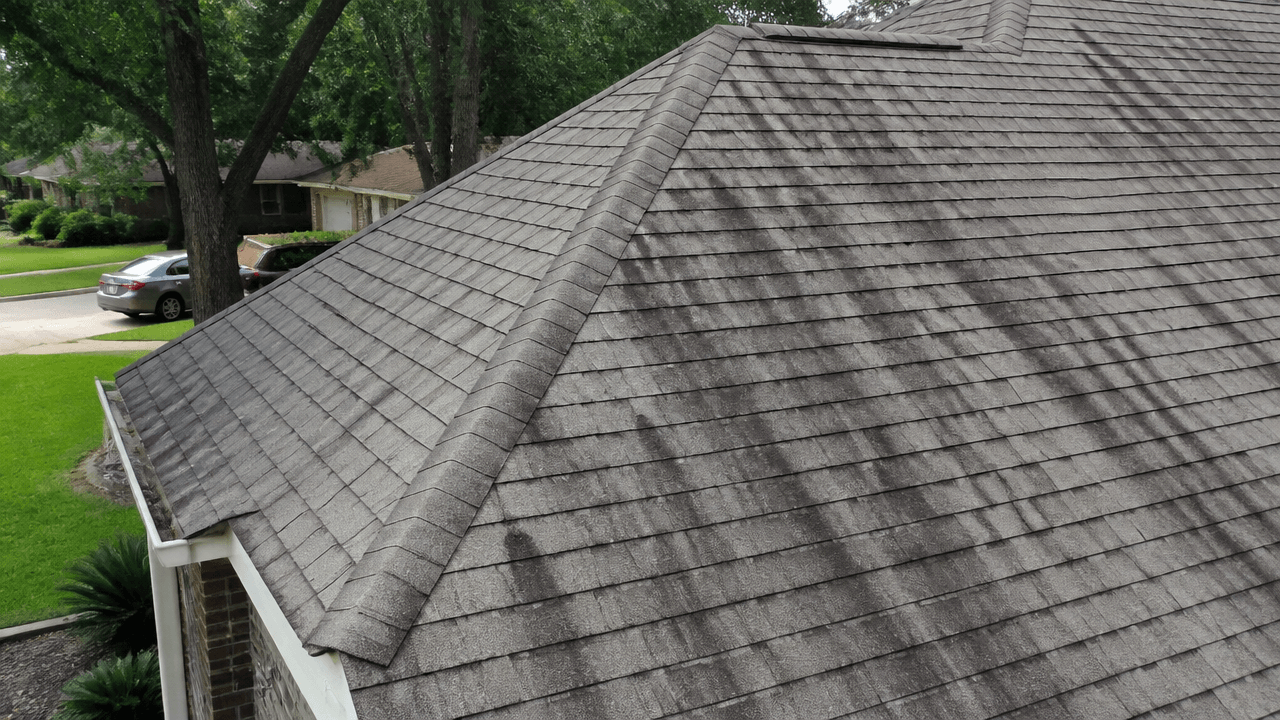
Start by looking for visible damage like missing shingles, lifted edges, cracked flashing, or dark spots that may point to water intrusion. This first step matters because it helps identify where the problem is coming from before any repair begins.
🛡️ Step 2: Make the Area Safe
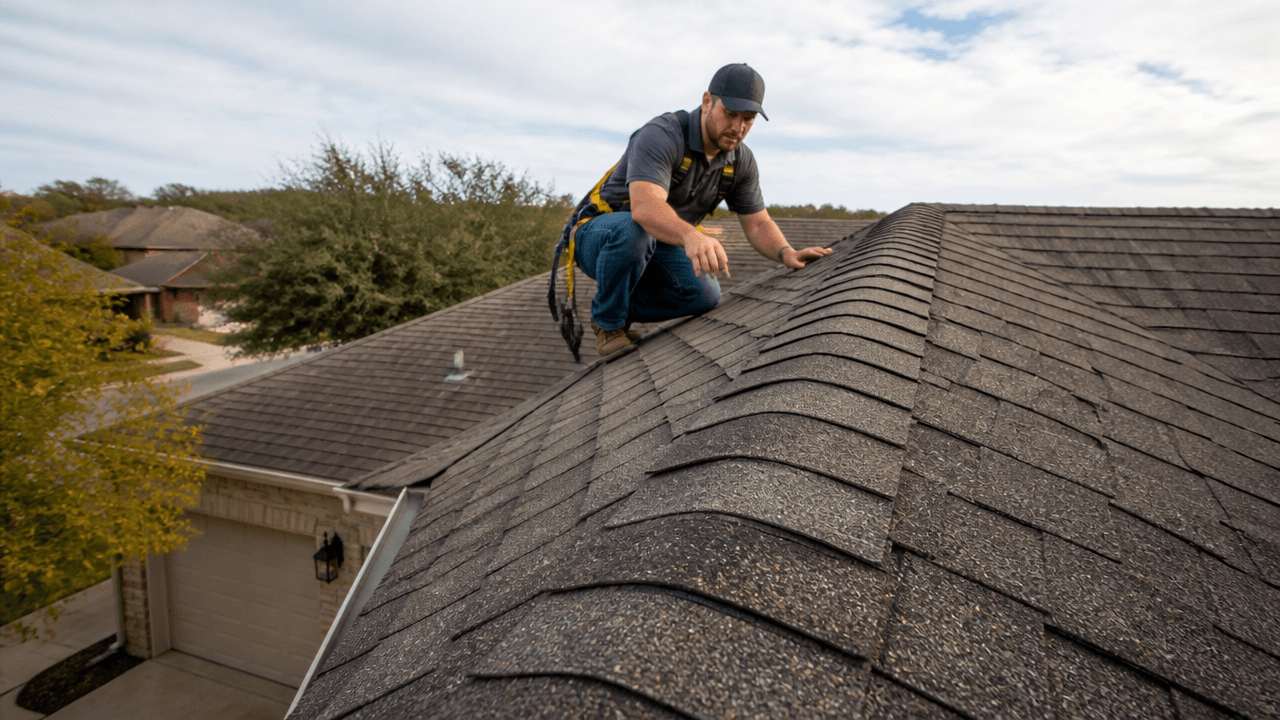
Set up proper fall protection and make sure the roof can be accessed safely before work starts. Steep slopes can be dangerous, and safe access helps prevent slips, falls, and mistakes during the repair.
📋 Step 3: Identify the Leak Source
Trace the damage back to the most likely entry point instead of only fixing the spot where water shows inside. Water can travel along roof layers, so the visible stain is not always the true source.
🧰 Step 4: Remove Damaged Materials
Take off broken shingles, old sealant, or damaged flashing around the affected area. This clears the way for a solid repair and helps expose any hidden trouble beneath the surface.
🔧 Step 5: Repair the Underlayment
Replace any worn or wet underlayment before closing the roof back up. This layer is important because it helps block water if the outer roofing surface is compromised again.
🏠 Step 6: Install New Roofing Parts
Put in new shingles, flashing, or other matching roofing materials based on the repair needs. A proper fit helps the roof shed water correctly and keeps the repaired area looking consistent.
💧 Step 7: Seal Vulnerable Spots
Apply sealant where needed around joints, edges, and roof openings. These spots are common places for leaks, so sealing them well adds extra protection against future moisture problems.
✅ Step 8: Check the Finished Repair
Inspect the repaired area again to confirm the materials are secure and the surface is sealed. A final check helps catch small issues early and gives confidence that the roof is ready for the next round of weather.
Common DIY Mistakes to Avoid
A steep roof repair can look simple from the ground, but the real work is much harder once you are on the surface. Many DIY problems happen because people focus on the visible damage and miss the full repair process. These mistakes can lead to leaks, safety risks, and repeat repairs.
- ⚠️ Mistake 1: Skipping the Full Inspection
This happens when someone patches the most obvious spot without checking nearby shingles, flashing, or underlayment. It usually happens because the damage seems small, but the hidden source can be the real cause of the leak. To prevent this, inspect the full affected area before touching any materials. - ❌ Mistake 2: Working Without Proper Safety Setup
This mistake means climbing onto a steep roof without fall protection or stable access. It often happens when people rush the job or underestimate how slippery steep slopes can be. To prevent it, always treat roof access as a safety task before a repair task. - 🚫 Mistake 3: Repairing the Wrong Leak Point
This occurs when someone seals the ceiling stain area instead of the actual roof entry point. It happens because water can move along the roof before it shows inside the house. To prevent it, trace the damage back to the source before making any patch. - ⚠️ Mistake 4: Leaving Damaged Underlayment in Place
This happens when the top layer is fixed but the hidden water barrier is ignored. It often occurs because the underlayment is not visible from the outside, so people assume it is still fine. To prevent it, replace any wet or worn material before closing the roof back up. - ❌ Mistake 5: Using the Wrong Materials or Sealant
This mistake means putting in materials that do not match the roof or using sealant in the wrong places. It happens when people try to finish quickly without checking what the roof actually needs. To prevent it, use repair materials that fit the roof type and place sealant only where it helps stop water entry.
Frequently Asked Questions
What is the steep slope roofing repair process explained?
Yes, it starts with a careful inspection, followed by safe access, removal of damaged materials, repair of the roof layers, and a final check. The steep slope roofing repair process explained is designed to fix the cause of the problem, not just the visible damage. This approach helps protect the roof from repeat leaks and further wear.
Why are steep roofs harder to repair?
Yes, steep roofs are harder to repair because the pitch makes footing less stable and access more risky. The angle also makes it easier to miss small issues if the inspection is rushed. That is why careful planning and the right safety setup matter so much.
How do we know if a steep roof needs repair?
Yes, common signs include missing shingles, lifted edges, flashing damage, ceiling stains, and moisture around roof openings. These signs usually mean water may already be entering the roof system. A quick inspection can help us catch the issue before it spreads.
Can small roof damage turn into a bigger problem quickly?
Yes, even small damage can turn into a bigger problem when rain or wind keeps hitting the same weak spot. Water can move into the roof layers and cause hidden damage before it becomes easy to see. Fast repair helps limit that risk.
Is the steep slope roofing repair process explained different in Houston weather?
Yes, Houston weather can make roof repair more urgent because heat, rain, and storms all put pressure on roofing materials. The steep slope roofing repair process explained must account for local weather conditions so the fix holds up better. Fall weather can be especially important because storms may expose weak spots quickly.
Final Thoughts on Roof Repair
We know a steep roof repair is not something to put off when warning signs start to show. A careful process, safe access, and the right repair steps all help protect the home and keep the problem from getting worse. When we handle the issue early, we make the job cleaner, safer, and more effective.
If you are noticing possible damage on a steep roof in Houston, the best next step is to act quickly and get informed before the weather creates more trouble. We are proud to help homeowners stay ahead of roof problems with practical service and clear communication, and you can follow us on social media.