• Understanding commercial roof inspection frequency: Detailed guide on how often to schedule inspections for optimal safety and longevity.
• Importance of professional assessments: Emphasizing the need for expert evaluations to maintain roof integrity and prevent costly repairs.
• Staying updated with experts: Encouraging readers to connect with specialists through social media for the latest industry news and project updates.
Spotting the Warning Signs of Roof Wear
Many business owners in Southlake, TX might not realize their commercial roof needs attention until it’s too late. Look out for sagging areas, a tell-tale sign indicating potential deck deterioration or trapped moisture. Water stains inside your building, especially after heavy rain, could point to leaks that merit a professional assessment. It’s essential to act quickly on these issues; leaving them unaddressed could lead to extensive damage and business disruption.
Recognizing Weather and Age-Related Roof Issues
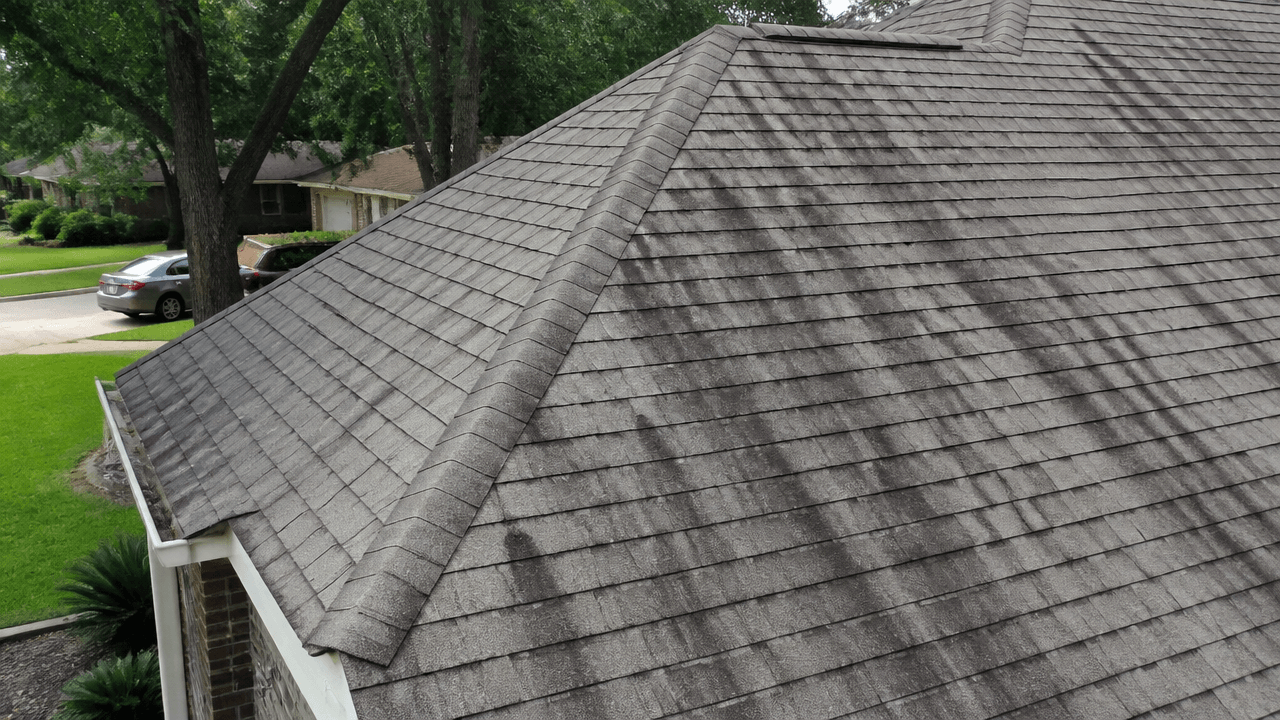
Remember, the harsh Texas summers and unexpected fall storms can take a toll on your commercial roofing. As your building’s primary defense, rooftiles that appear cracked, blistering, or curling warrant immediate attention. If your roof is past its predicted lifespan, which is often around 20-30 years, it might be time for a thorough inspection. Regular monitoring becomes critical, especially during seasonal transitions when temperature fluctuations are most severe.
Understanding the Benefits of Timely Inspections
Timely commercial roof inspections can head off the kind of problems that hurt your bottom line. A professional’s proactive assessment could save thousands in potential repair costs by catching issues early. Ensuring consistent inspections will also help maintain your warranty status, often contingent on regular professional maintenance. It’s about being one step ahead: By recognizing worrisome signs, you can schedule your inspections and keep your commercial property in top condition.
Seasonal Timing for Roof Inspections
In the vibrant community of Southlake, TX, weather patterns play a significant role in determining the commercial roof inspection frequency. Engaging a professional in the spring is wise as it allows the identification of any damages incurred during winter. Likewise, a fall inspection can prepare your roof for the upcoming winter, ensuring it can withstand the potential cold and moisture. Sticking to this twice-yearly schedule is a best practice, as it aligns with the natural weather cycles that impact your roof the most.
Partnering with Qualified Roof Inspectors
Enlisting the assistance of a highly qualified roofer is paramount to ensuring the integrity of your commercial property. You’ll want an inspector with a track record of excellence in providing commercial roofing services, one who upholds rigorous standards of safety and quality. These professionals can identify the subtle nuances that might be missed by the untrained eye, such as minor leaks or wear that could lead to bigger issues if unnoticed. The right inspector will ensure that your inspection and subsequent maintenance are not just routine checks, but strategic measures to prolong the lifespan of your roof.
Step 1: Understand the Importance of Commercial Roof Inspections
Become familiar with why regular commercial roof inspections are crucial for the longevity and safety of your building. Acknowledge how inspections can prevent costly damage and maintain your roof’s warranty.
Step 2: Schedule Your Inspections Seasonally
Plan to have your commercial roof inspected at least twice a year, ideally during the spring and fall seasons, to address any issues from extreme weather.
Step 3: Select a Qualified Roof Inspector
Ensure you hire a certified professional with experience in commercial roofs. They should have a keen eye for spotting potential problems that could escalate if unaddressed.
Step 4: Prepare for the Inspection
Provide the inspector with access to all areas of the roof and any documentation of previous inspections or repairs. Clear the roof surface of debris or equipment that could hinder the inspection process.
Step 5: Conduct a Comprehensive Inspection
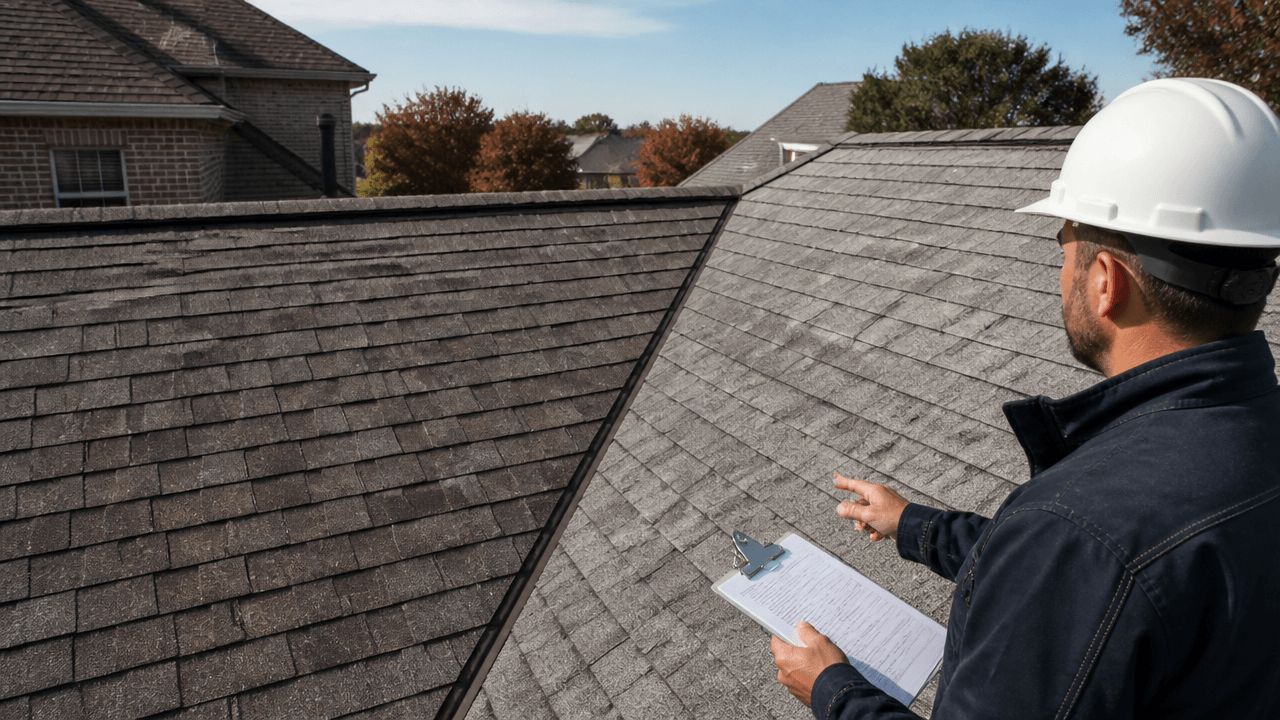
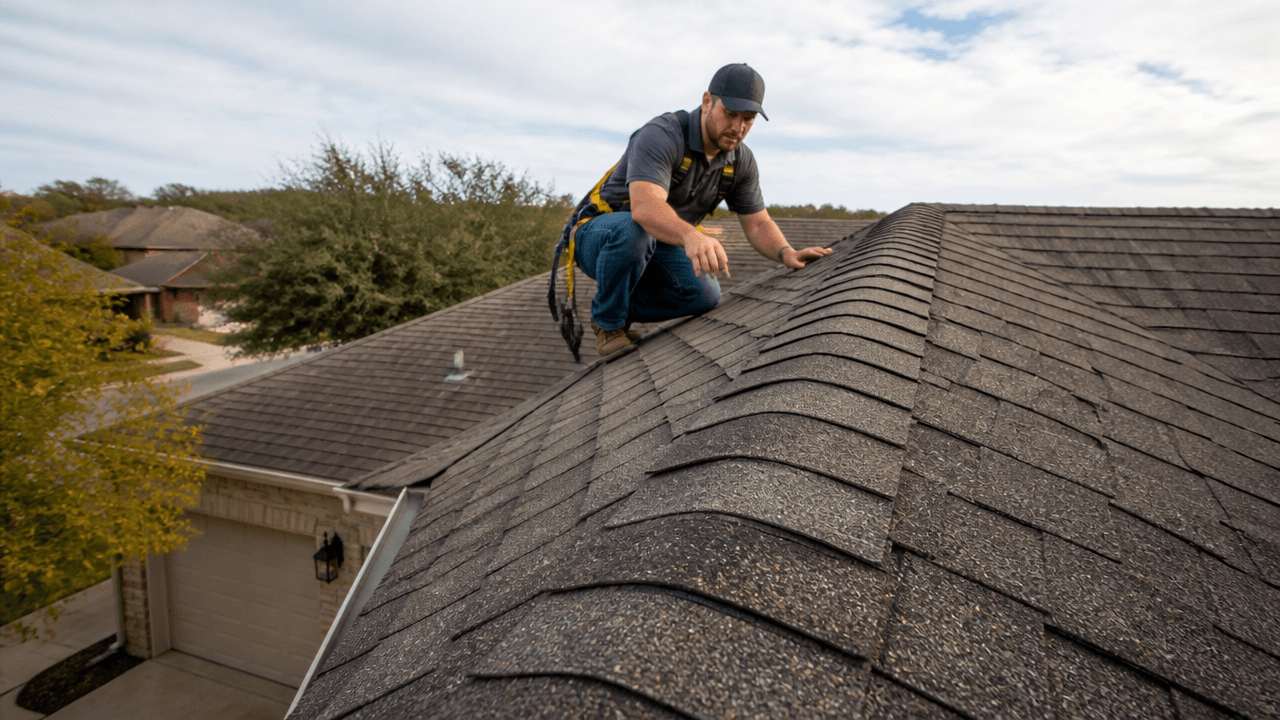
The inspector will examine the roof’s surface, drainage systems, flashings, penetrations, and edges for signs of wear and tear or damage.
Step 6: Review the Inspection Checklist
Go over the inspector’s checklist that should cover all the components of your commercial roof, ensuring nothing is overlooked.
Step 7: Understand the Inspection Findings
Receive a detailed report from the inspector outlining any issues or potential concerns. This should include photographs, descriptions, and recommendations for repairs or maintenance.
Step 8: Develop a Maintenance Plan
Based on the inspection findings, create a maintenance plan that addresses immediate repairs and ongoing maintenance tasks to keep your roof in optimal condition.
Common Mistakes During DIY Roof Inspections
When it comes to maintaining the integrity of your commercial roof, a proper inspection can mean the difference between minor repairs and major overhauls. However, well-intentioned property owners often fall into traps of common mistakes during DIY inspections. Understanding these pitfalls and how to avoid them can save you time, money, and ensure your roof’s longevity.
Mistake 1: Inspecting at the Wrong Time
Many assume that roof inspections can be done at any time for convenience, but timing is crucial. Inspections should align with the seasons, especially in climates like Southlake, TX, where weather can be unpredictable. To prevent this mistake, schedule inspections in the spring to address winter damage and in the fall to prepare for winter.
Mistake 2: Overlooking Minor Issues
It’s easy to dismiss small issues like slight discolorations or minor water ponding. However, these can be early indicators of much larger problems. Hire a qualified professional who will recognize the significance of these signs and take appropriate action.
Mistake 3: Inadequate Preparation for Inspection
DIY inspectors may not know how to prepare their roof for inspection properly. Clutter and lack of access can result in overlooked areas. Clear your roof’s surface and provide any pertinent documentation to your inspector ahead of the scheduled inspection.
Mistake 4: Failing to Consult a Professional
While DIY inspections are helpful for quick checks, they are not substitutes for professional evaluations. Comprehensive inspections require experienced professionals who can detect issues that untrained eyes miss. Always consult with a certified roof inspector to ensure a thorough examination.
Preparing for a Detailed Inspection
Before the inspector arrives, it’s crucial to provide a conducive environment for a comprehensive assessment. Ensure all areas of the roof are accessible and remove any debris that could obscure problem areas. This proactive preparation helps the inspector to provide a thorough examination, which is fundamental for devising an effective maintenance plan.
A Comprehensive Evaluation During Inspection
Once on site, the inspector will perform a detailed evaluation to detect even the slightest signs of wear or potential issues. Every part of the roofing system, from shingles to flashing, will be scrutinized with precision to ensure nothing is missed. Property owners can trust this level of attention by partnering with seasoned experts from Imperial Roofing’s general contracting services, for peace of mind regarding their commercial roofing needs.