• Discover the benefits of eco-friendly roofing materials and their impact on the environment.
• Explore the variety of sustainable roofing options available for residential homes.
• Learn why professional installation is crucial for maximizing the longevity and effectiveness of eco-friendly roofs.
Identifying the Need for an Eco-Friendly Roof
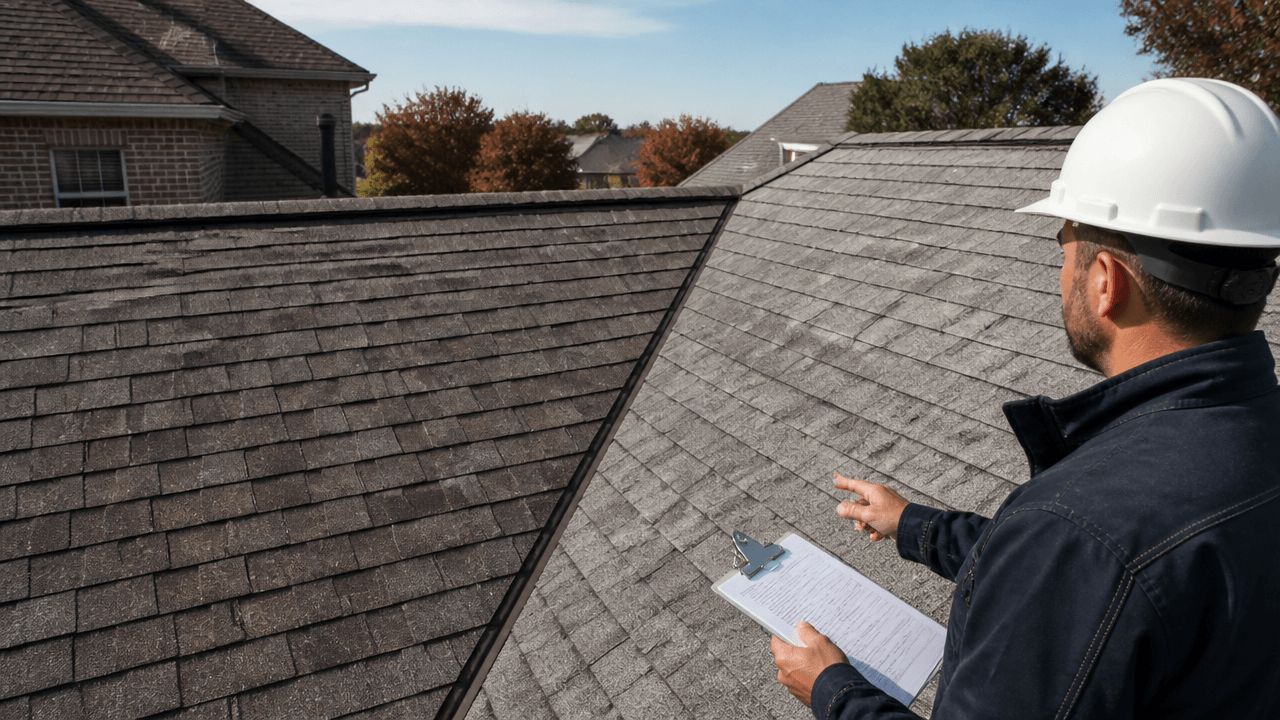
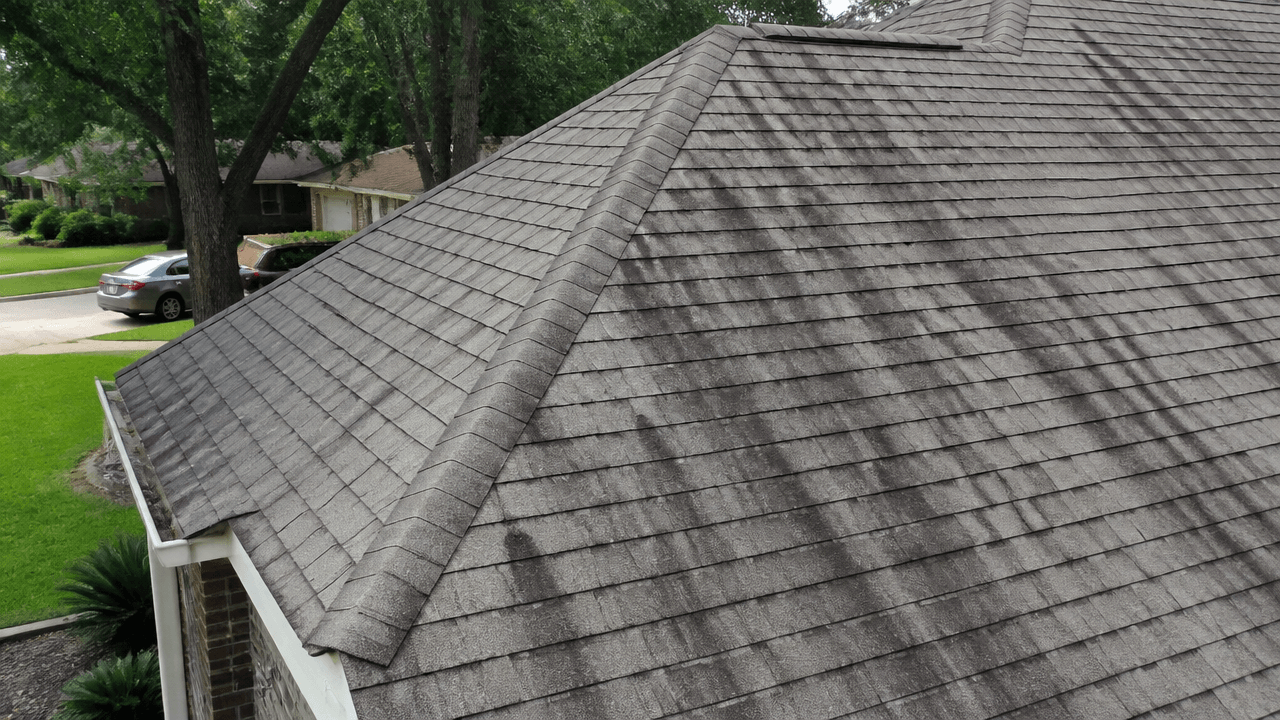
In the heart of Austin, TX, where the fall weather invites a season of reflection and preparation, it’s vital to address the condition of our homes, with a keen eye on the roofing over our heads. If you notice your energy bills creeping up, it could be a sign your roof is not performing efficiently. Tiles that are cracked, curled, or missing altogether signal significant wear and likely contribute to heat loss and gain, undermining your home’s energy efficiency. These are the moments to consider the impact of your roof not just on your comfort, but on the environment as well.
The Real Cost of Neglected Roofing
The damage doesn’t end at inefficiency; an older, deteriorating roof can lead to water leaks, causing structural damage and mold issues that are costly and hazardous to your health. In the lush Texas environment, a compromised roof can be especially problematic, inviting pests and decomposition. Such roofing concerns only underline the importance of assessing whether your current roofing is up to par. An eco-friendly roof isn’t just a green choice; it’s a smart investment into the longevity and health of your home.
Taking the Next Steps
So, how do you begin the transition toward an eco-conscious roofing solution? Start by educating yourself on what makes roofing material ‘eco-friendly’—whether it’s crafted from sustainable sources, boasts energy-conserving properties, or repurposes recycled materials. A mindful assessment of your household’s specific needs is paramount; this is not a one-size-fits-all situation. And finally, exploring the wide variety of eco-friendly materials available will set a rock-solid foundation for your greener path forward.
Step-by-Step Guide to Eco-Friendly Roofing
Embarking on the journey of eco-friendly residential roofing begins with grasping the essentials. The sustainability path is marked with choices like solar reflecting shingles and tiles made from recycled materials, each offering unique benefits and efficiencies. The research into these materials can be vast and daunting, but it’s critical to align your selection with the unique qualities of Austin’s climate. Getting it right means not only fostering a greener environment but also potential savings in your energy expenses.
Connecting with the Right Professionals
Finding a contractor that shares your vision for an eco-friendly dwelling is an essential foothold in transforming your roof. You’ll want a team that not only installs but also understands the value of sustainable materials. It’s here that exploring Imperial Roofing’s residential services can yield a partner equipped to meet your eco-focused aspirations. With the right expertise, your eco-friendly roofing project can become a seamless addition to your Austin home, blending eco-consciousness with aesthetic appeal.
Step 1: Understand the Basics of Eco-Friendly Roofing
Learn about what makes roofing eco-friendly, such as materials that are sustainable, have high energy efficiency, or are made from recycled components.
Step 2: Evaluate Your Roofing Needs
Assess your current roofing situation to determine the extent of work needed. Consider factors like the age of your roof, the climate in Austin, TX, and your energy consumption.
Step 3: Research Eco-Friendly Roofing Materials
Explore options such as solar tiles, metal roofing, recycled shingles, and green (vegetative) roofs, focusing on their eco-friendly properties and suitability for your home.
Step 4: Calculate the Cost and ROI
Estimate the expenses associated with each eco-friendly roofing option, factoring in potential energy savings and environmental impact, to understand the return on investment.
Step 5: Find a Qualified Roofing Contractor
Look for a roofing professional in Austin, TX, with experience in installing eco-friendly residential roofs and a proven track record of quality workmanship.
Step 6: Plan for Installation Timing
Schedule your roofing project during a time that suits Austin’s seasonal weather patterns, ensuring minimal disruption and optimal working conditions.
Step 7: Prepare for Installation
Get your home ready for the roofing installation by securing valuables, clearing the work area, and discussing any necessary preparations with your chosen contractor.
Step 8: Maintain Your Eco-Friendly Roof
Once installed, learn about maintenance tips specific to your new eco-friendly roofing system to enhance its longevity and performance. Discuss maintenance plans with your contractor to keep your roof in top condition.
Avoiding Common Eco-Friendly Roofing Mistakes
Venturing into the world of eco-friendly roofing, especially as a DIY project, can be fraught with potential missteps that can lead to costly and time-consuming repairs. It is crucial to recognize common pitfalls in order to navigate them smartly and ensure your roofing project in Austin remains sustainable and successful. The blend of excitement and desire to be eco-conscious can sometimes overshadow practical considerations, leading to these insightful and avoidable mistakes.
Mistake 1: Misjudging the Scope of Work
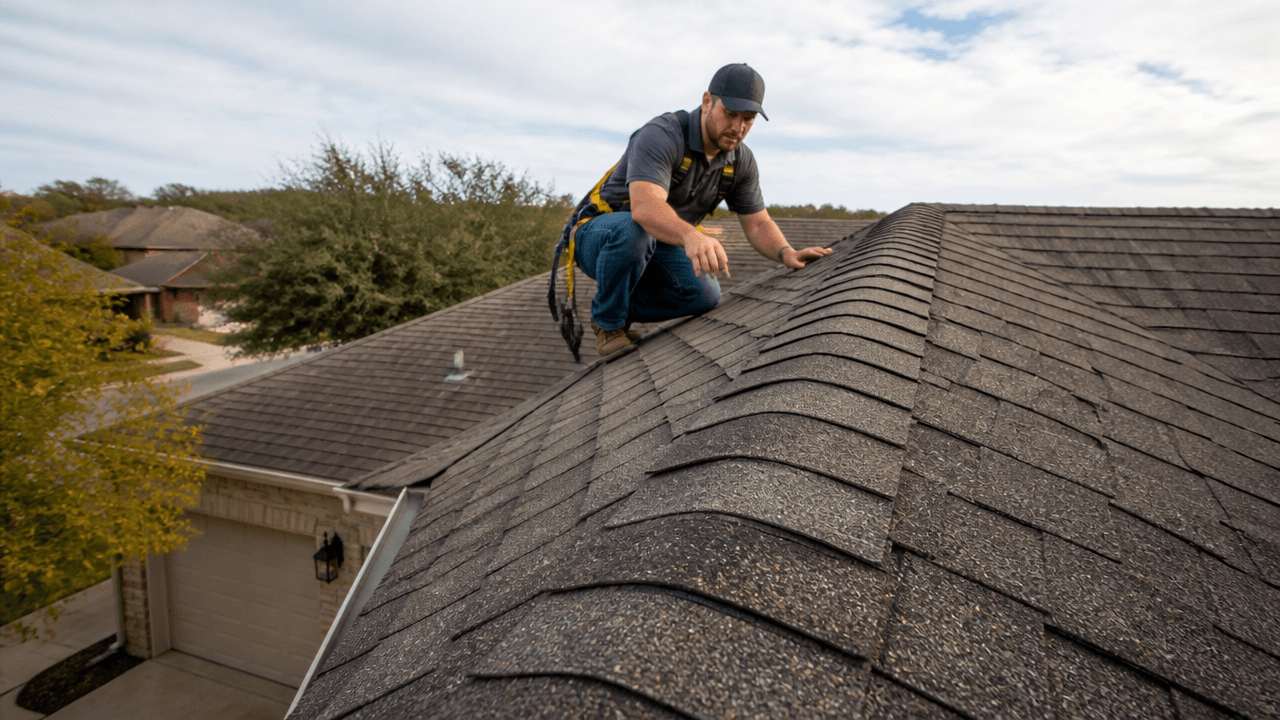
Often, homeowners underestimate the extent of work required for a roofing project. Assessing the current condition of your roof is essential to avoid partial fixes that may not address underlying issues. Instead, conduct a thorough evaluation or consult with a professional to grasp the full scope of necessary repairs.
Mistake 2: Inadequate Research on Materials
In the push towards eco-friendliness, there’s a temptation to choose materials based solely on their environmental benefits without considering their suitability for your specific situation. Not all materials perform well in Austin’s diverse climate, and what works in one region may falter in another. Avoid this by deep-diving into product research and considering local weather conditions and your home’s architectural design.
Mistake 3: Overlooking Energy Efficiency for Cost
While upfront costs are a legitimate concern, focusing solely on the price can lead to choosing materials that are not the most energy-efficient. This can result in higher utility bills over time, negating any initial savings. Prevent this by calculating long-term ROI, factoring in potential energy savings when selecting materials.
Mistake 4: Hiring Based on Price Alone
Scrimping on skilled labor might be tempting, but going for the cheapest roofing contractor can lead to subpar installation and future issues. Ensure you hire a qualified roofing contractor with a track record in eco-friendly installations. Their experience will be worth the investment, safeguarding the performance and longevity of your eco-friendly roof.
Planning Your Eco-Friendly Roof Installation
An imperative factor in installing eco-friendly roofing is timing, especially in a bustling city like Austin. The mild fall weather presents an ideal opportunity for roofing projects, reducing the risk of weather-related delays. Leveraging this season smartly, with a nod to the region’s specific weather patterns, ensures that the installation is untroubled and done right the first time.
Preparing Your Home for Transformation
Before your chosen contractor arrives, preparing your home can make a significant difference in the effectiveness and efficiency of the installation process. Clear the area around your home to provide easy access for workers and safeguard your belongings, particularly in outdoor spaces. Should you have any queries about preparing your home, Imperial Roofing’s general contracting services can offer guidance and assistance to ensure a smooth transition to your new eco-friendly roof.