• Understanding Roof Pitch: Importance and impact in home design for functionality and aesthetics.
• Professional Design Tips: How to incorporate the correct roof pitch for better home durability and visual appeal.
• Expert Guidance: Why seeking professional advice ensures optimal outcomes in roofing projects.
Recognizing Potential Roof Design Issues
Before we delve into the nuances of roof pitch considerations, it’s vital to recognize the signs that suggest your roof may need a design update. One clear indicator is water pooling on the roof, which not only signifies poor drainage but can also lead to structural damage over time. Another telling sign is visible sagging or uneven rooflines, often a direct consequence of an inadequate roof pitch unable to support the roof’s weight. It’s these kinds of issues that can compromise not only the functionality but also the aesthetic value of your home.
Impact of Inappropriate Roof Slope
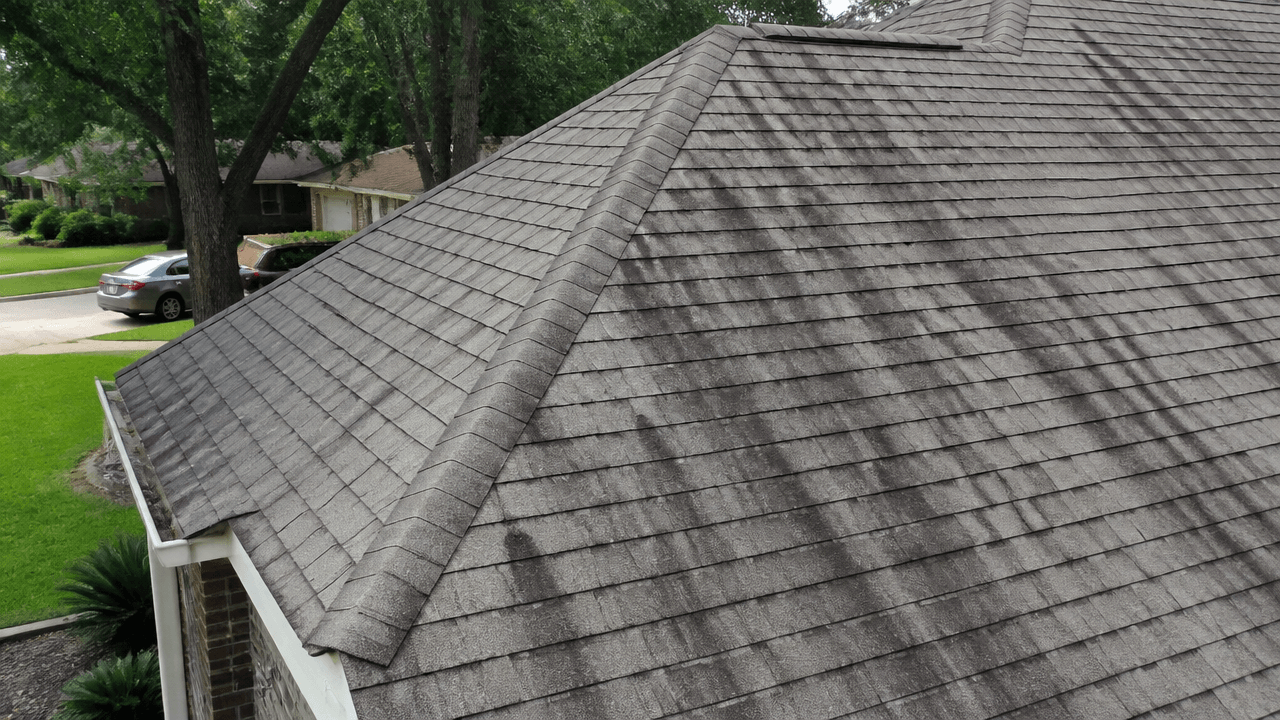
In Fort Worth’s variable climate, a roof with the wrong pitch can quickly become a homeowner’s nightmare. Come fall, a roof without enough slope may fail to properly divert rainfall, leading to potential water intrusion and damage to the interior. Conversely, a pitch that’s too steep can prove hazardous, particularly when it comes to maintenance and unexpected Fort Worth weather events. Being alert to the age and condition of your shingles can offer clues too, as premature wear could signal an underlying pitch problem.
Future-Proof Your Home’s Design
Building a house with character begins with proportion and balance, something that extends to your roof’s design. Matching the pitch to your home’s traditional or modern style can prevent structural imbalance and maintain consistency throughout your property. But it’s not just about today’s appearance; consider the possibilities of future home additions. Planning now with the right roof pitch can save time, money, and hassle later on, ensuring a seamless integration of any new structures with your existing roof line.
Strategizing for the Perfect Roof Pitch
Understanding roof pitch is not just technical, it’s a critical step in ensuring your roof fulfills its protective role. It’s this angle that dictates how well your roof will stand up against Fort Worth’s seasonal rains while also affecting the amount of attic space or loft available. A steep pitch might bestow an attractive, high-ceiling charm but consider the practicality and potential heating costs. Weighing these factors carefully ensures your roof is more than just a shelter; it becomes a smart, energy-efficient asset to your home.
The Expertise to Elevate Your Roof Design
As you transition from understanding the importance of roof pitch to actually implementing the best design, take advantage of expert guidance. Fort Worth’s specific building codes and the weather’s influence on roofing materials can be complex to navigate. That’s where the professionals at Imperial Roofing enter the picture. By tapping into their extensive residential and commercial roofing services, accessed easily through Imperial Roofing, you ensure not only the selection of an ideal pitch but also a roof that’s built to last, complementing your home’s style and fitting seamlessly into your neighborhood’s skyline.
Step 1: Understand Roof Pitch Basics
Familiarize yourself with the concept of roof pitch, which is the angle or slope of a roof. This foundational knowledge is crucial before making design considerations.
Step 2: Evaluate Climate and Weather Patterns
Consider Fort Worth’s climate, particularly its fall weather, to determine the optimal roof pitch for handling local weather conditions, such as rain drainage.
Step 3: Analyze Architectural Style
Match the roof pitch to your home’s architectural style to maintain aesthetic consistency and enhance curb appeal.
Step 4: Choose the Right Materials
Select roofing materials that work best with your chosen roof pitch, ensuring longevity and performance.
Step 5: Calculate the Roof Pitch
Learn how to calculate the desired roof pitch, taking into account the rise over run proportions, for an accurate design.
Step 6: Plan for Future Additions
Think ahead for any potential home expansions or additions, considering how the roof pitch might affect or limit your options.
Step 7: Adhere to Local Building Codes
Review Fort Worth’s building codes and regulations to ensure your roof pitch meets all legal requirements and safety standards.
Step 8: Consult with a Roofing Professional
Before finalizing your design, seek advice from a local Fort Worth roofing expert to validate your roof pitch considerations and benefit from professional insights.
Avoiding Common Roof Pitch Pitfalls in Design
When taking on the task of designing or adjusting the pitch of your roof, it’s important to sidestep common errors that could lead to future problems. A solid understanding of roof pitch not only ensures proper water runoff and structural integrity but also safeguards against costly mistakes. Here are some pitfalls to avoid, informed by our Step-by-Step Guide, to keep your roof project on the right track and your Fort Worth home in peak condition.
Mistake 1: Neglecting Climate Considerations
Many homeowners forget to account for the local climate when determining their roof pitch. In Fort Worth, the fall season brings its own weather patterns that your roof must accommodate for effective rain drainage and insulation. To avoid this mistake, assess the typical weather conditions throughout the year and adjust your design accordingly.
Mistake 2: Inappropriate Material Selection
Choosing roofing materials without considering the pitch can lead to premature damage. Some materials are better suited for steeper pitches, while others are ideal for more gradual slopes. Prevent this error by matching your roofing materials to the pitch, ensuring both functionality and durability.
Mistake 3: Overlooking Architectural Harmony
A roof pitch that clashes with your home’s style can result in a jarring appearance and reduce curb appeal. To prevent this, analyze your home’s architectural features and opt for a pitch that complements its design philosophy, whether it’s modern minimalism or classic ranch.
Mistake 4: Ignoring Local Building Codes
Failing to adhere to Fort Worth’s building codes can lead to legal challenges and costly revisions. Ensure your roof pitch is within regulations to safeguard your home’s compliance. This can be done easily by referencing the local building authority guidelines or consulting with roofing professionals.
Calculating the Ideal Pitch for Your Roof
The journey to the perfect roof pitch begins with understanding the mathematical side of design. Calculating the pitch involves comparing the vertical rise of the roof to its horizontal span, a crucial ratio that determines how your roof handles environmental factors. Recognizing the significance of these dimensions is the first step to a roof that’s both structurally sound and visually appealing.
Adapting to Fort Worth Building Codes
Adhering to local building codes is not just bureaucracy; it’s an essential aspect of roofing that guarantees safety and compliance. Fort Worth homeowners must ensure their roofing choices meet the specified codes to avoid future legal troubles and to maintain the integrity of their homes. For more information on how to stay within these regulations, don’t hesitate to consult a trusted resource like Imperial Roofing’s general contracting services, where compliance and quality blend seamlessly.