• Discover essential high-wind roofing installation best practices to safeguard your home in Houston’s storm season
• Learn about the best materials and professional installation techniques that secure your property against severe winds
• Gain expert insights on regular roof maintenance and retrofitting options for enhanced wind resistance
Maintaining Roof Integrity Against High Winds
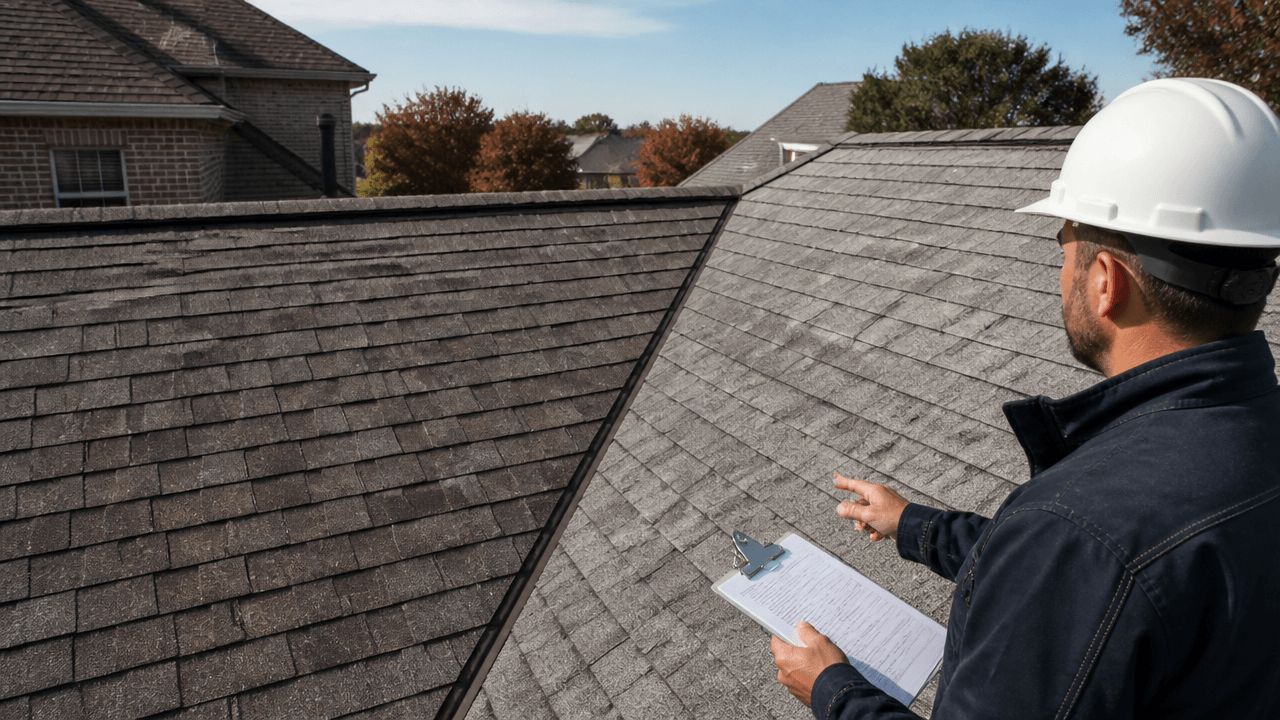
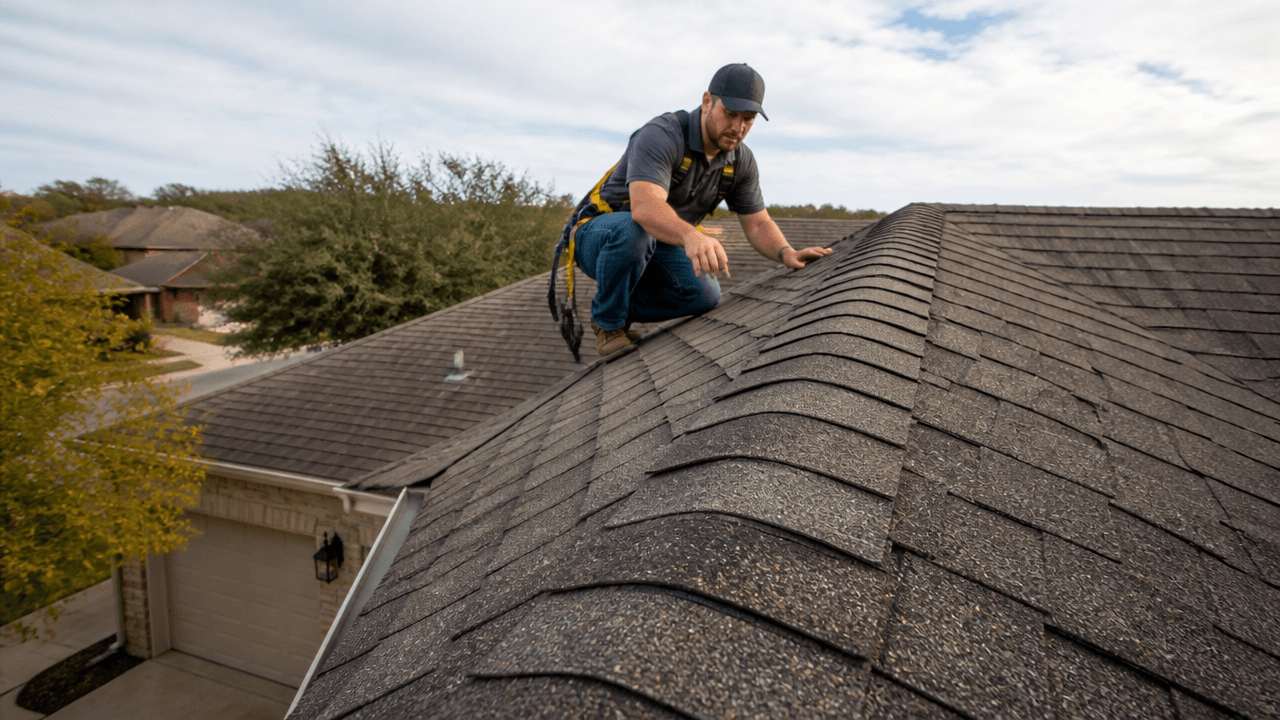
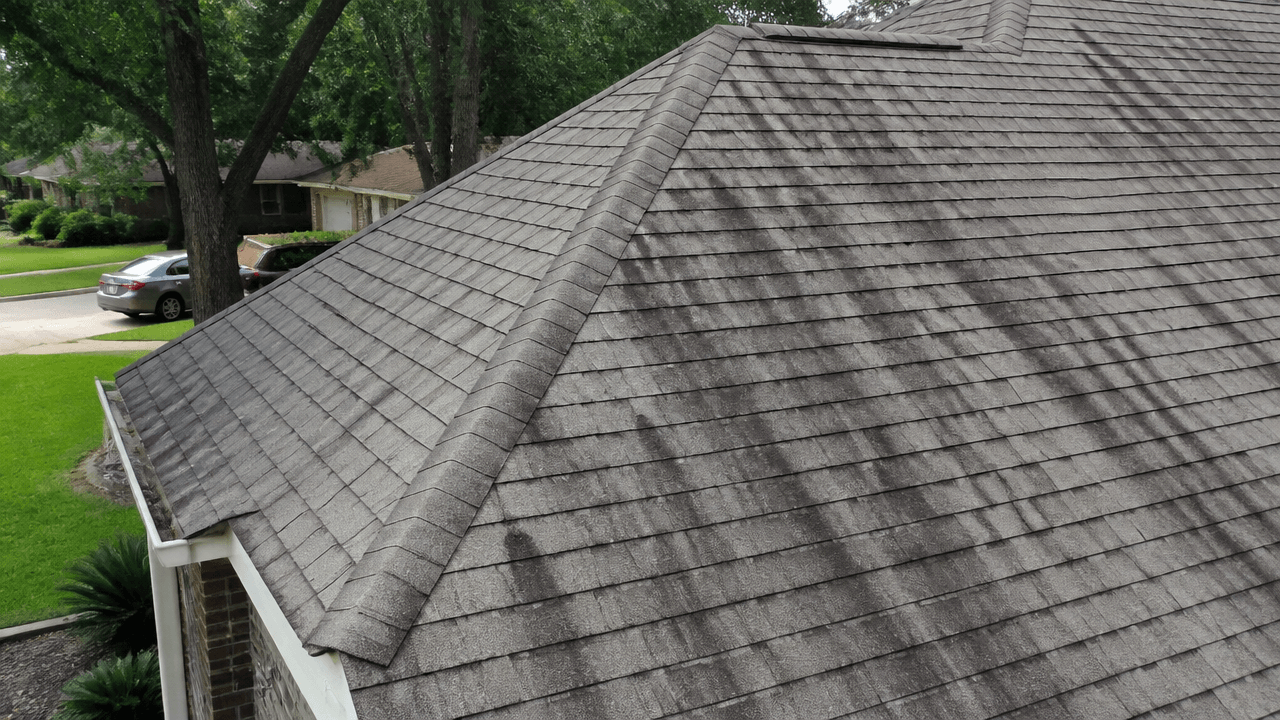
Regular maintenance and inspections are your best defense in extending the lifespan of your high-wind-resistant roof. Especially in the aftermath of severe weather events, swift inspections can identify damages early and prevent escalating repair costs. Securing loose shingles, clearing debris from your gutters, and checking for any signs of moisture intrusion are all part of a solid roof maintenance routine. Timely and appropriate action following these checks can be the difference between minor touch-ups and major overhauls. Residential and commercial property owners alike can benefit from regular roof inspections; indeed, ongoing diligence is key to roofing longevity in storm-prone areas.
If your existing roof needs elevating to a higher level of wind resistance, retrofitting with additional features might be possible. Techniques such as the addition of storm straps, enhancement of roof sheathing, or employing more resilient shingles could make existing structures more robust. Professional assessment is crucial before making such changes, to ensure that your roof can structurally support the enhancements. While the upfront cost may be a consideration, upgrading your roofing system is a worthy investment for the protection it provides. Through Imperial Roofing’s general contracting services, homeowners and businesses can tap into expert advice on making their roofs as wind-resistant as possible.
As we wrap up our discussion on high-wind roofing installation best practices, remember the importance of working with experienced contractors who can help navigate the complexities of wind-resistant roofing. Trust in their expertise to guide you through selecting the right materials, applying the correct installation methods, and maintaining the integrity of your roof over time. Homeowners in Houston and similar high-wind areas must not undercut the value of a strong, well-constructed, and well-maintained roof. Not only does it provide immediate shelter from the elements, but it also ensures the safety of your loved ones and the longevity of your investment. When it comes to protecting your property from high winds, compromise is not an option – invest in your peace of mind by adhering to these best practices.
The Urgent Need for Proper Roofing in High-Wind Regions
Every year, homeowners in Houston are faced with the relentless force of nature as storms barrel through, bringing high winds that can turn a roof’s minor weaknesses into major catastrophes. It is not just about the immediate damage; the long-term implications can range from costly repairs to complete roof replacements. Understanding the critical role that a well-installed roof plays in protecting your home cannot be overstated, particularly in regions prone to severe weather. As August approaches, Houston residents are entering the peak of the storm season, a time when the difference between a standard roof and one fitted for high-wind resistance could mean everything. This isn’t merely a precaution—it’s an essential measure to safeguard your family and investment against the unpredictable wrath of summer storms.
The consequences of overlooking high-wind roofing installation best practices can be dire. In a split second, a gust can strip your home of its protective shield, exposing it to the elements; once the integrity of a roof is compromised, the domino effect on your home’s structure begins. Moisture intrusion, mold growth, and even structural damage pose a significant threat beyond the storm’s passing. Therefore, the decision to equip your home with a roofing system designed to withstand these intense winds isn’t just a sound investment—it’s a necessary step for ensuring the longevity and safety of your property. By choosing to prioritize these practices, you affirm a commitment to not just surviving but thriving in the face of high winds.
It’s important to recognize that not all roofing systems are created equal, especially when it comes to withstanding the forces of nature that Houston often encounters. Roofing best practices evolve with technology and experience, offering homeowners reliable solutions to combat severe weather challenges. Among these, selecting the appropriate materials and installation techniques can mean the difference between a roof that buckles under pressure and one that stands as a silent guardian over your home. Taking action now, before the storm season hits its stride, will ensure that your home is equipped with a durable, wind-resistant roof. A preventative approach today can spare you the stress of dealing with predictable damage tomorrow, emphasizing why residents must take this issue seriously and act swiftly.
Maintaining Roof Integrity Against High Winds
Regular maintenance and inspections are your best defense in extending the lifespan of your high-wind-resistant roof. Especially in the aftermath of severe weather events, swift inspections can identify damages early and prevent escalating repair costs. Securing loose shingles, clearing debris from your gutters, and checking for any signs of moisture intrusion are all part of a solid roof maintenance routine. Timely and appropriate action following these checks can be the difference between minor touch-ups and major overhauls. Residential and commercial property owners alike can benefit from regular roof inspections; indeed, ongoing diligence is key to roofing longevity in storm-prone areas.
If your existing roof needs elevating to a higher level of wind resistance, retrofitting with additional features might be possible. Techniques such as the addition of storm straps, enhancement of roof sheathing, or employing more resilient shingles could make existing structures more robust. Professional assessment is crucial before making such changes, to ensure that your roof can structurally support the enhancements. While the upfront cost may be a consideration, upgrading your roofing system is a worthy investment for the protection it provides. Through Imperial Roofing’s general contracting services, homeowners and businesses can tap into expert advice on making their roofs as wind-resistant as possible.
As we wrap up our discussion on high-wind roofing installation best practices, remember the importance of working with experienced contractors who can help navigate the complexities of wind-resistant roofing. Trust in their expertise to guide you through selecting the right materials, applying the correct installation methods, and maintaining the integrity of your roof over time. Homeowners in Houston and similar high-wind areas must not undercut the value of a strong, well-constructed, and well-maintained roof. Not only does it provide immediate shelter from the elements, but it also ensures the safety of your loved ones and the longevity of your investment. When it comes to protecting your property from high winds, compromise is not an option – invest in your peace of mind by adhering to these best practices.
Expert Insights on High-Wind Roofing
Tip 1:
Choose the right materials for high-wind resistance. Heavy-duty asphalt shingles or metal roofing materials are often recommended for their ability to withstand gusts without lifting or peeling.
Tip 2:
Invest in a professional installation. Properly securing each element of the roofing system is critical in high-wind areas, so always use an experienced contractor who follows the best practices for installation.
Tip 3:
Enhance edge security to prevent wind uplift. The roof’s edges are most susceptible to wind damage, so reinforcing them with specialized shingles and materials can significantly improve overall wind resistance.
Tip 4:
Consider the roof design. A sloped design can help reduce wind pressure and the potential for damage. Gable-end bracing also strengthens vulnerable areas against high winds.
Tip 5:
Regular inspections are key to maintaining wind resistance. After heavy storms or as a part of routine maintenance, inspections can help identify and fix potential weak points before they lead to serious damage.
Expert Answers to Your High-Wind Roofing Questions
What Types Of Shingles Are Best For High-Wind Areas Like Houston?
In high-wind areas like Houston, homeowners should opt for shingles rated for at least a Class G (up to 120 mph) or Class H (up to 150 mph) wind resistance, such as architectural asphalt, metal shingles, or modified bitumen.
How Does Proper Installation Impact A Roof’s Wind Resistance?
Proper installation, which includes correct shingle alignment, nailing pattern, and sealant application, is critical as it ensures all parts of the roofing system work together to resist wind uplift and reduce the risk of damage.
Can I Upgrade My Existing Roof To Be More Wind-Resistant?
Yes, existing roofs can be upgraded to improve wind resistance through the addition of secondary water barriers, reinforcement of roof decking, or by applying wind-resistant shingles and adhesives.
What Are The Important Factors To Consider For High-Wind Roofing In Summer Seasons?
During summer, when high winds are common, the important factors to consider are heat resistance of materials, proper ventilation to prevent heat buildup, and ensuring the entire roofing system is up to wind code requirements.
How Often Should Roofs In Hurricane-Prone Areas Be Inspected?
Roofs in hurricane-prone areas should be professionally inspected at least twice a year, before and after the hurricane season, and following any severe weather event to assess and repair potential damage promptly.