• Discover simple ground-level techniques to identify hail damage on your roof
• Learn to spot and document critical hail impacts for effective roof repair or insurance claims
• Find out why professional roofing expertise is crucial for thorough hail damage assessment in Austin
Recognizing Hail Damage: Starting from the Ground
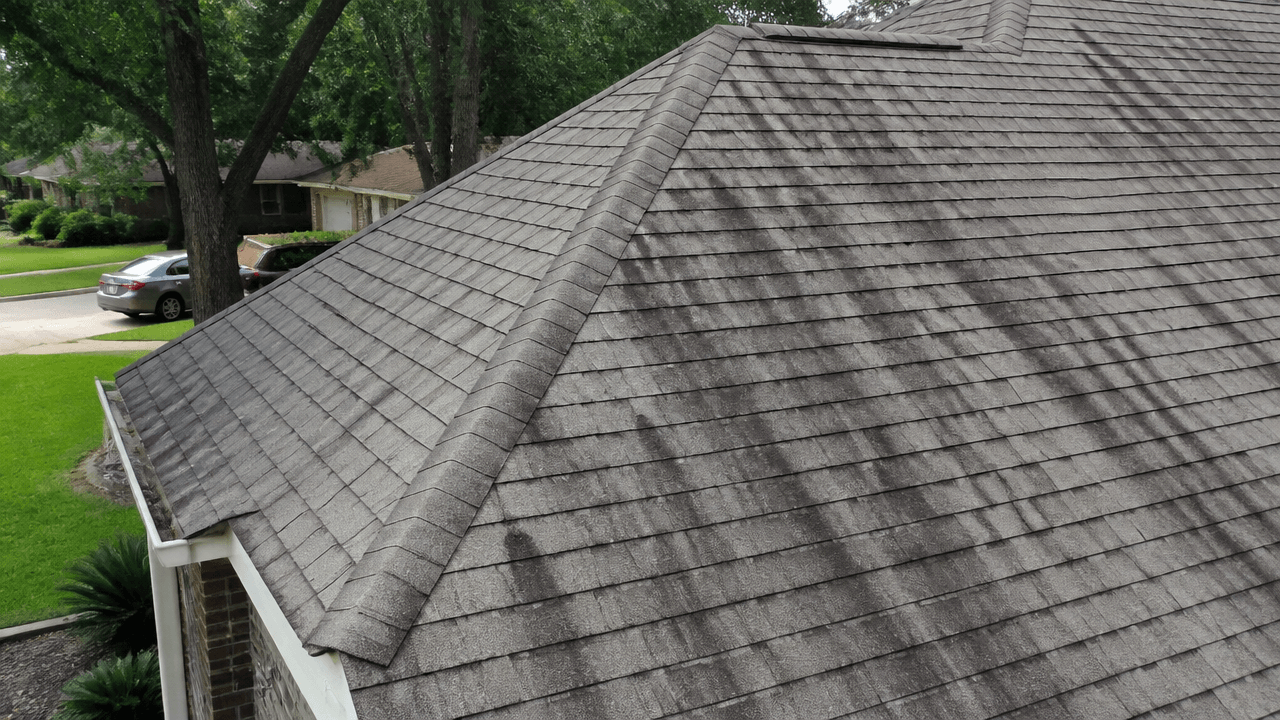
Before venturing onto your roof, take a moment to survey the damage from a safer vantage point: the ground. Signs of hail damage, like discernible dents and unusual dark patches on your shingles, can often be spotted from this perspective. Pay attention to the presence of shiny asphalt areas where granules should be – these can signal significant stripping from hail impact. It’s just as important to note the condition of gutters, downspouts, and exposed metal surfaces which may have taken the brunt of the hail’s force.
Metal features on your roof such as vents, flashings, and valleys are especially vulnerable to hail. These components tend to show damage more readily, manifesting as clear dings and dents that catch the light differently and stand out from the structure’s usual contours. Inspect these areas carefully; their damage can be indicative of the hail’s size and intensity, thus providing valuable information when gauging potential concerns for the rest of the roofing surface.
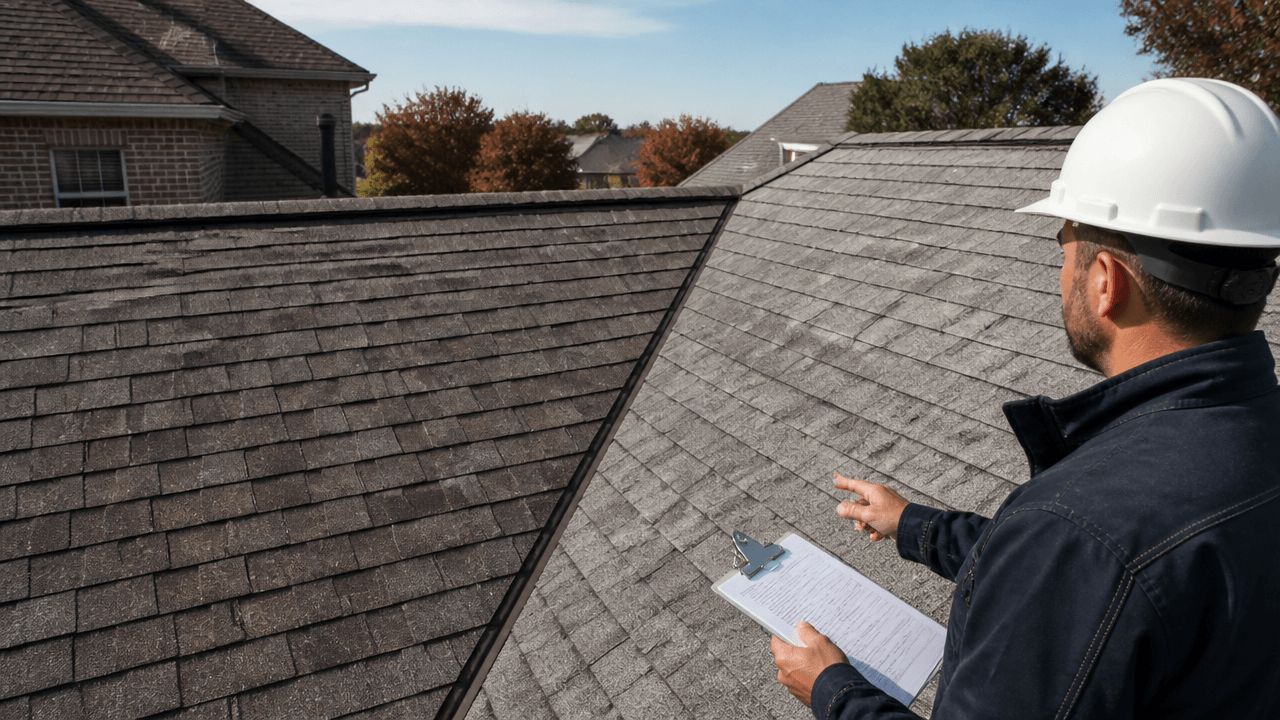
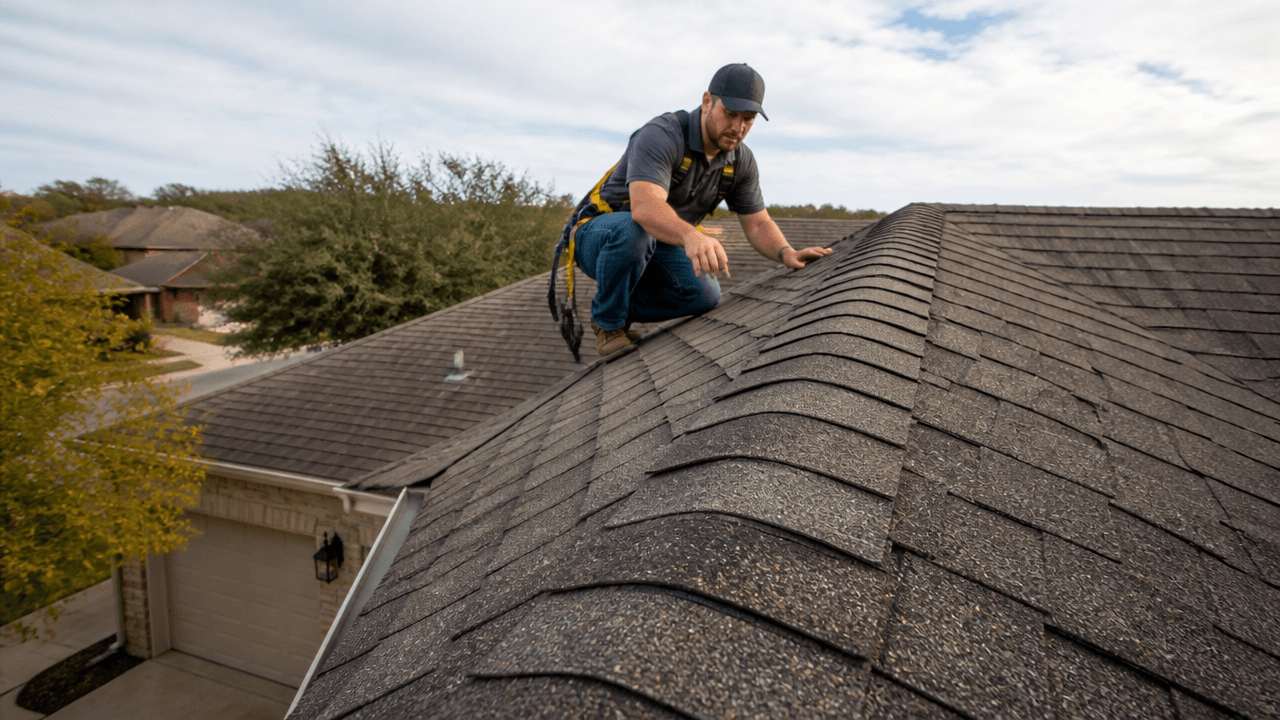
If hail has indeed struck your home, close inspection of the shingles themselves will be necessary. Approach this step with caution: use a ladder to get a clear view of any cracks, bruises, or spots where granules have been knocked off – a telltale sign of hail damage. The areas impacted by hail may feel spongier, quite akin to a bruise on an apple, when compared to undamaged portions of your shingles. Remember, your safety is paramount, so consider hiring a professional if you’re unsure about climbing onto the roof.
Documenting Damage: A Vital Step for Roof Recovery
In the wake of a storm, documenting any damage with precision is crucial for any potential insurance claims or for planning repairs. Each ding, dent, or stripped area on your shingles should be captured in clear photographs—these images serve as indisputable evidence of the storm’s impact on your roof. It’s essential to take a systematic approach: start at one end of the house and work your way to the other, ensuring you cover every section. This meticulous record-keeping can aid in a swift and fair claims process and ensure transparency with roofing professionals.
Following thorough documentation, homeowners must evaluate the extent of the hail damage. This can be the deciding factor between necessary minor fixes and an extensive roof overhaul, a consideration that hinges on the expertise of experienced professionals. For those in the Austin area seeking professional guidance, they can turn to Imperial Roofing for comprehensive roofing services tailored to hail damage concerns. Decisions on repairs should be made promptly to prevent further weather-related vulnerabilities and protect the integrity of your home.
(Note: The anchor text “Imperial Roofing” was used to create an internal link to the homepage of the client’s website. It has been embedded within relevant content related to professional roofing services in the context of hail damage repair. The rest of the content provides actionable advice for homeowners on how to proceed after documenting hail damage on their roof.)
Step 1: Inspect the Roof from the Ground
Begin your assessment by looking for signs of hail damage from the ground. Look for dents, dark spots, or areas where granules are missing from asphalt shingles. Don’t forget to check gutters, downspouts, and exterior surfaces for hail impact.
Step 2: Look for Damage to Metal Components
Metal parts of your roof, such as vents, flashing, and valleys, can show more obvious signs of hail damage. Identify any dings or dents, as these areas can be the first to get hit by hail.
Step 3: Check the Shingles Up Close
Using a ladder, safely get up on the roof for a closer inspection. Look for cracks, bruises, or missing granules on shingles. These could indicate potential hail damage.
Step 4: Identify Hail Impact Marks
Examine shingles for round, black areas where hail has knocked off the protective granules. Touch these spots to see if they feel softer compared to the surrounding shingle, like the bruise on an apple.
Step 5: Check for Loose Material in Gutters
Examine the inside of the gutters and downspouts for an accumulation of granules. If your gutters are full of granules, it might suggest that the shingles have been compromised by hail.
Step 6: Document the Damage
Take clear photos of any damage. These will be essential if you decide to file an insurance claim or need to show the extent of damage to a roofing professional.
Step 7: Assess the Extent of Damage
Determine if the damage is localized to one area or widespread across the roof. This will help indicate whether minor repairs or a full roof replacement might be necessary.
Step 8: Contact a Local Roofing Expert
Reach out to a professional roofing contractor in Austin, TX, preferably one that has experience with hail damage. They can provide a thorough inspection and suggest the appropriate repairs to ensure your roof is secure and undamaged.
Avoiding Common DIY Roof Inspection Mistakes
While doing a DIY roof inspection after a hailstorm may seem straightforward, homeowners can inadvertently overlook damage or put themselves at risk. Knowing what pitfalls to sidestep enhances the accuracy of the inspection and helps maintain safety. Here are key missteps to dodge to ensure you thoroughly and safely assess your roof for hail damage.
Mistake 1: Neglecting Safety Measures
Ascending a roof requires proper safety gear and precautions, yet many homeowners embark on this task unprepared. To mitigate risk, always use a sturdy, secured ladder, wear non-slip shoes, and if possible, work with a partner.
Mistake 2: Overlooking Small Indicators of Damage
Minor details like small dents on metal components or slight granule loss on shingles might appear trivial but can signal larger issues. Always scrutinize these finer points, as they could indicate the need for closer assessment or professional help.
Mistake 3: Ignoring the Environmental Impact
Failing to consider how local flora could disguise or inflict damage is a common oversight. Ensure to clear away any debris from trees and examine hidden areas that could be sheltering hail damage from view.
Mistake 4: Skipping Over Non-Shingle Surfaces
Homeowners often focus solely on shingles and ignore metal parts and gutters that are equally affected by hail. Remember to inspect vents, flashing, gutters, and downspouts, as these are telltale locations for hail impact.
Mistake 5: Dismissing the Importance of Documentation
Often, homeowners spot damage but don’t comprehensively document it, complicating future claims or repair discussions. Snap clear, detailed photos from various angles to capture the full scope of the damage for accurate records.
Mistake 6: Misjudging the Severity of Damage
Assuming minor damage is inconsequential can lead to delayed repairs and increased harm over time. Carefully determine the extent of the damage or consult a professional if you’re uncertain about the severity.
By avoiding these mistakes and following the steps outlined in the guide, you’ll be able to more accurately and safely determine the state of your roof after a hail event.
Choosing the Right Roofing Professional
When faced with hail damage, selecting the right roofing contractor is pivotal. You’ll want a team that’s not only skilled but also familiar with the specific challenges presented by Austin’s unique climate. Look for a contractor with a robust portfolio of successful repairs, especially those involving hail damage recovery.
Imperial Roofing stands out as a reliable choice, offering comprehensive residential roofing services that cover everything from minor repairs to total replacements. By entrusting your home to established experts, you ensure the highest standards of repair following severe weather incidents. A professional assessment can spare you from future headaches by addressing all issues comprehensively and promptly.
(Note: The anchor text “comprehensive residential roofing services” links to the specific page on Imperial Roofing’s website that details their residential service offerings. This section aims to guide the reader toward making an informed decision when hiring a contractor for hail damage repair, emphasizing the importance of expertise and local experience.)