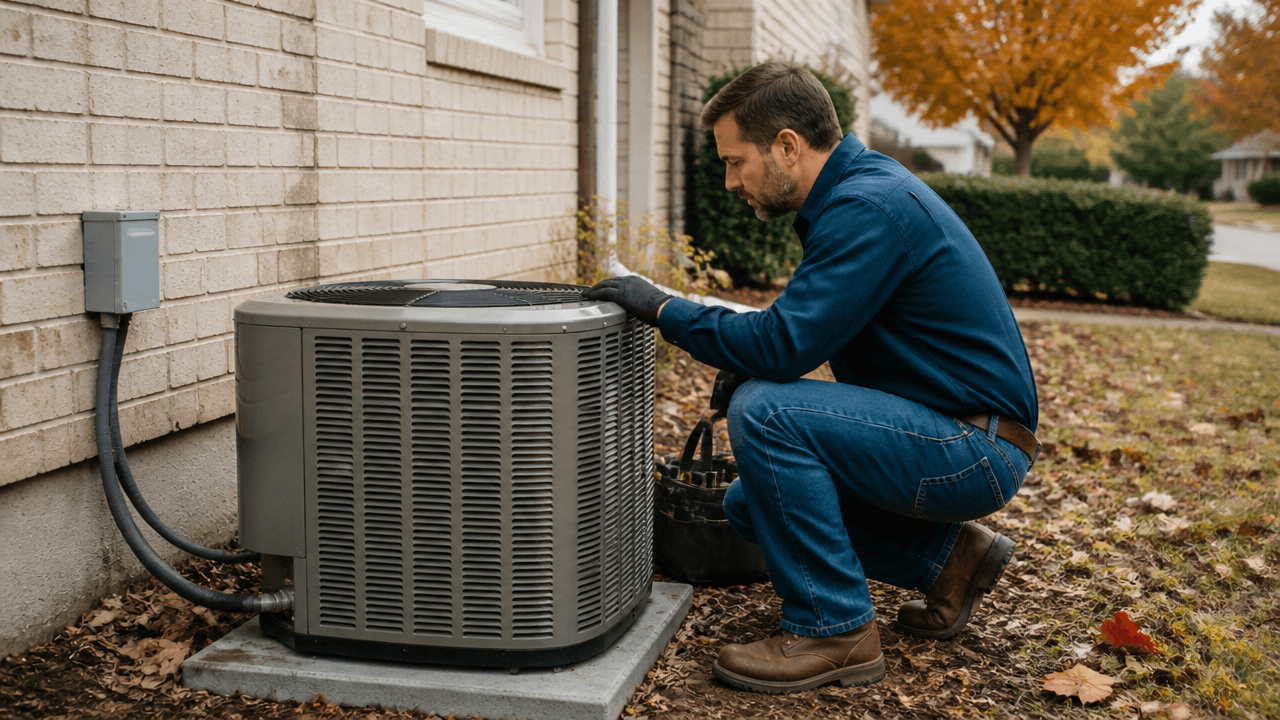
• Plan early to avoid last-minute stress. If your AC is aging, making odd noises, or needing frequent repairs, it may be time to act before winter weather makes scheduling harder. Early planning gives homeowners more control over timing, comfort, and costs.
• Check the full system before replacing anything. A smart AC replacement should account for the unit, airflow, duct condition, and proper sizing. Skipping these steps can lead to poor performance even after the new system is installed.
• Avoid common mistakes that slow the process down. Waiting too long, choosing the wrong size, or rushing installation can all create avoidable problems. Following a clear step-by-step plan helps the replacement go smoothly and keeps your home ready for colder weather.
Why Timing Your AC Matters in Fall
When the weather starts to cool in Fort Worth, many homeowners stop thinking about cooling issues until the next heat wave hits. That delay can make AC replacement before winter season more stressful, since busy schedules and colder days often slow down planning. We know how quickly a small comfort issue can turn into a bigger problem when the system is already struggling.
If your unit is aging, making odd noises, or running longer than it should, waiting can leave you stuck with poor airflow when you still need steady indoor comfort. Fall is a smart time to act because temperatures are usually more stable and service calls are often easier to arrange. For homeowners looking for local help, our team at Imperial Roofing can guide the process with clear steps and dependable service.
Planning ahead also gives you more control over the process instead of rushing into a decision after the first cold snap. A careful approach helps you compare options, avoid last-minute stress, and reduce the chance of being caught off guard by system failure. That is why we encourage Fort Worth homeowners to treat this as a practical home comfort priority, not something to put off.
How We Plan the Replacement Right
A good AC replacement starts with checking the age, performance, and repair history of the system. We look for signs like uneven cooling, rising energy use, and repeated service calls because these often point to a unit that is near the end of its useful life. When those warning signs show up together, replacing the system before winter can be the smarter move.
We also make sure the new unit fits the home the right way, since the wrong size can lead to comfort problems and wasted energy. Proper setup matters just as much as the equipment itself, and that includes airflow, duct condition, and correct installation. In some cases, planning around other home projects through our general contracting team can help keep the work organized and on schedule.
Step-by-Step AC Replacement Guide
📋 Step 1: Check the age of your current unit
Most AC systems last many years, but age alone can tell us a lot about future performance. If the unit is getting older and repairs keep coming up, it may be time to replace it before winter season arrives.
🔍 Step 2: Watch for warning signs
Uneven cooling, loud noises, weak airflow, and frequent breakdowns often mean the system is wearing out. These signs matter because they can point to larger problems that are expensive to keep fixing.
🧾 Step 3: Review recent repair history
A system that needs repeated service is often costing more than it should. Looking at the pattern of repairs helps us decide whether a replacement makes more sense than another fix.
📐 Step 4: Match the unit to the home
The right size and capacity are important for steady comfort. If a unit is too small or too large, it can run poorly and wear down faster.
🛠️ Step 5: Check airflow and duct condition
Good airflow helps the new system work the way it should. If ducts are blocked, leaking, or damaged, the replacement may not perform well even if the equipment is new.
📅 Step 6: Schedule the work before winter
Fall is often a better time to plan than waiting for colder weather and higher demand. Early scheduling gives us more flexibility and helps avoid delays when temperatures shift.
⚡ Step 7: Make sure installation is done correctly
A proper install affects comfort, efficiency, and long-term performance. Small setup mistakes can create problems later, so careful work is key from the start.
✅ Step 8: Test the system after installation
Testing helps confirm that the system starts, cycles, and moves air the right way. This final check gives us confidence that the replacement is ready before winter season fully sets in.
Common Mistakes to Avoid
Many homeowners try to handle AC replacement too late, and that usually creates avoidable stress. Others focus only on the price and miss the details that affect how well the system will work later. The mistakes below are common, but they can be avoided with a little planning and attention.
– ⚠️ Mistake 1: Waiting until the system fails
This happens when people ignore warning signs and keep hoping the unit will last one more season. It usually leads to rushed decisions and limited scheduling options. To prevent it, plan early if the system is already showing age or repeated repair issues.
– ❌ Mistake 2: Ignoring airflow problems
Some homeowners replace the unit but forget that poor airflow can still hurt performance. This often happens because the old system kept running long enough to hide duct or vent issues. The fix is to check airflow before installation so the new unit can work properly.
– 🚫 Mistake 3: Choosing the wrong size unit
This mistake happens when people guess instead of matching the system to the home’s needs. A unit that is too large or too small can cycle badly and feel uncomfortable. To avoid it, make sure the replacement is sized correctly for the space.
– ⚠️ Mistake 4: Skipping a full system check
People sometimes focus only on the old AC unit and overlook related parts of the setup. That can leave hidden issues in place and reduce the value of the new system. Prevent this by checking the full system, not just the equipment itself.
– ❌ Mistake 5: Rushing the installation
This usually happens when the work is squeezed into a tight schedule before colder weather arrives. Rushed installation can lead to setup errors that affect comfort and performance. The best way to prevent it is to allow enough time for a careful job.
Frequently Asked Questions
How do I know if I need AC replacement before winter season?
Yes, signs like repeated repairs, uneven cooling, weak airflow, and unusual noises often mean the system is nearing the end of its life. If those problems keep showing up, planning an AC replacement before winter season can save time and stress later. A professional inspection can help confirm whether replacement is the better choice.
Why is fall a good time for AC replacement in Fort Worth?
Yes, fall is often a smart time because weather is milder and scheduling is usually easier than during peak demand. That makes it simpler to plan AC replacement before winter season without as much pressure. It also gives homeowners time to fix comfort issues before colder weather settles in.
How long does an AC replacement usually take?
Yes, many AC replacements can be completed in a day, but the timing depends on the home and the condition of the existing setup. If extra work is needed for ducts, wiring, or system adjustments, the project may take longer. A proper assessment helps set clear expectations before the work starts.
What are the most common signs I should replace my AC?
Yes, the most common signs are rising repair costs, weak airflow, uneven temperatures, loud operation, and a unit that struggles to keep up. These issues often mean the system is losing efficiency and reliability. If they keep happening, replacement may be the most practical next step.
Can I keep using my AC until winter starts?
Yes, but only if the system is still working safely and reliably. If it is already showing major problems, waiting can lead to a breakdown when you need comfort the most. Planning replacement early is often the safer choice for homeowners in Fort Worth.
Final Thoughts on Getting Ahead
Planning early gives us more control over comfort, cost, and timing, which is especially important when the seasons start to change. A smart approach to AC replacement before winter season helps avoid rushed choices and keeps the home ready for steady indoor comfort. In Fort Worth, that kind of timing can make a real difference when the weather shifts fast.
We believe the best results come from watching the warning signs, checking the full system, and taking action before the cold weather creates more pressure. When the process is handled carefully, homeowners can move into winter with less worry and a better working system. For more updates and helpful project insights, follow us on social media.