• Learn how to tarp a roof quickly to help protect your home from more water damage after a leak or storm.
• Follow a simple checklist that covers the key steps, from gathering supplies to securing the tarp the right way.
• Get practical advice on common mistakes, safety concerns, and when to call a roofing professional for lasting repairs.
How to tarp a roof the right way
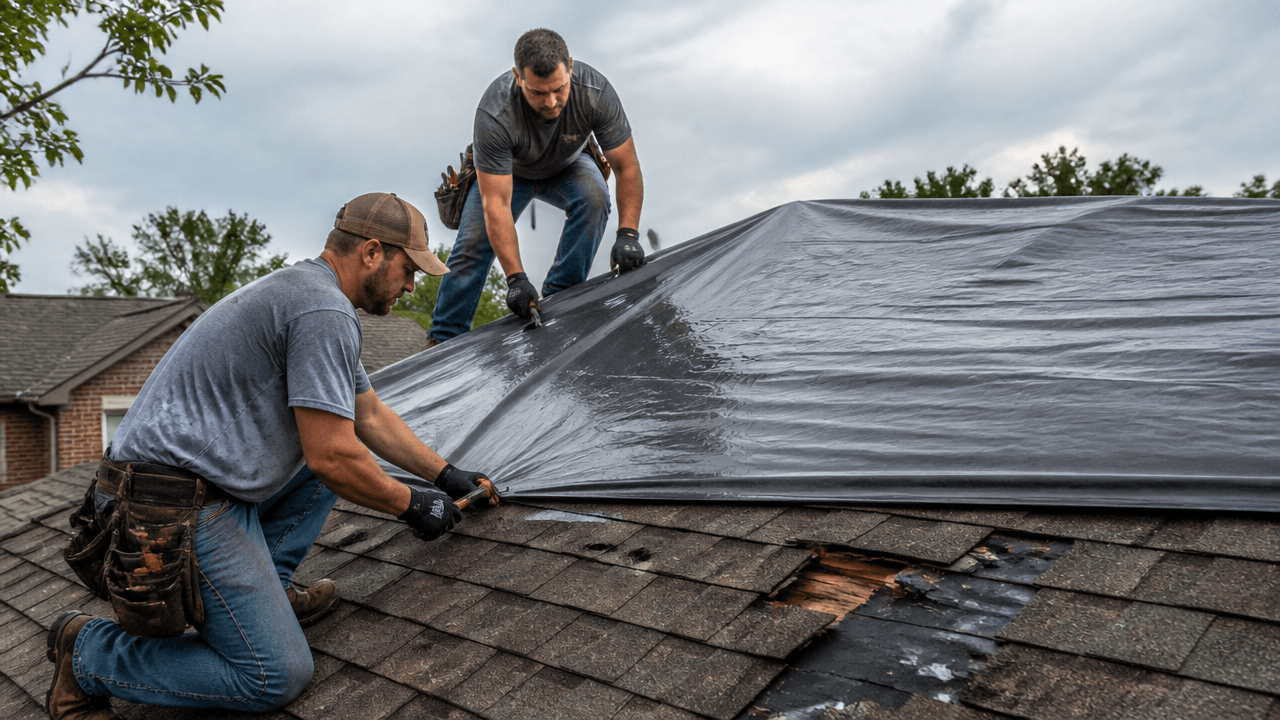
When storm damage leaves your home exposed, the main goal of how to tarp a roof is to protect the inside of the house from more water damage. A tarp can serve as a short-term fix until a roofer can inspect the damage and make lasting repairs.
Acting fast can help reduce the risk of soaked insulation, stained ceilings, and ruined belongings. If you need help after severe weather, Imperial Roofing can be a useful next step for local support in Austin.
Done the right way, a roof tarp can buy you time and help keep the problem from getting worse. The goal is not to solve the roof issue for good, but to create a safe barrier until repairs can begin.
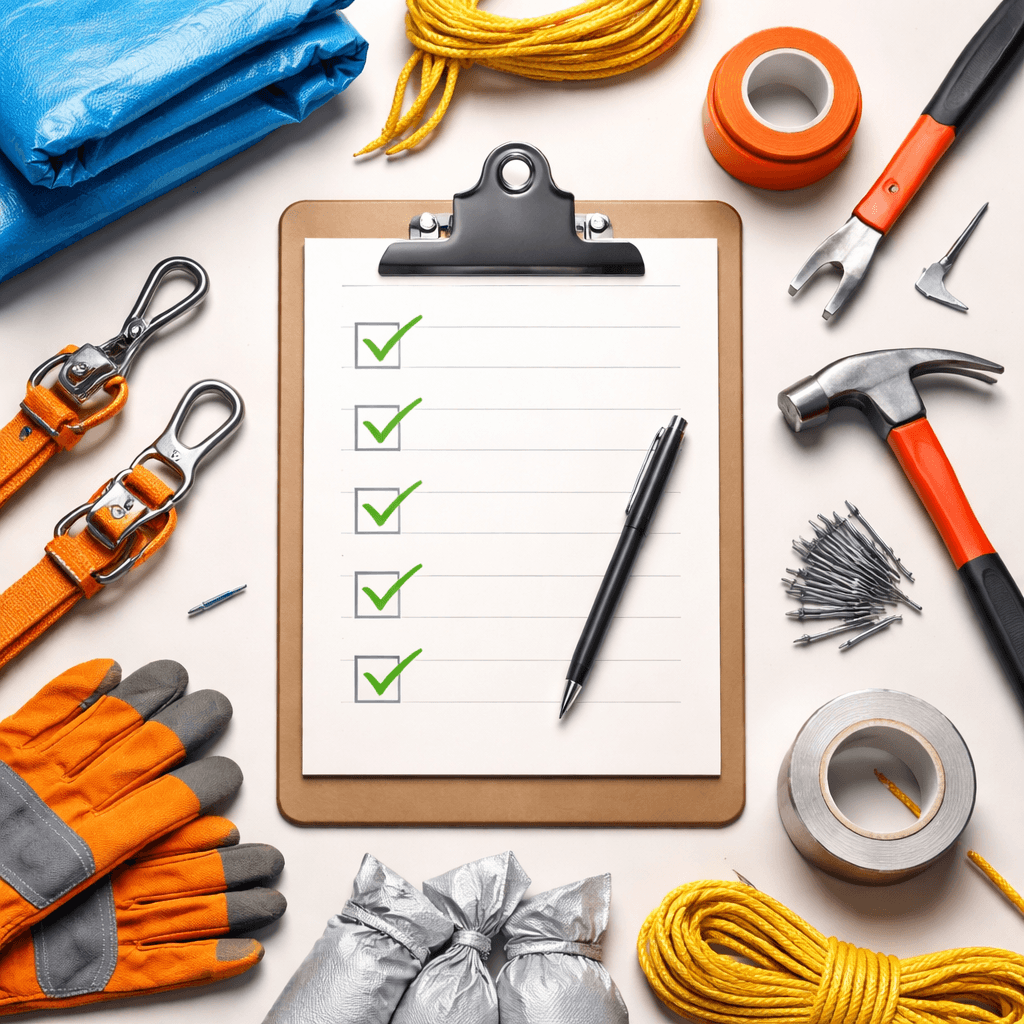
Roof Tarp Checklist for Fast Protection
Use this checklist to stay focused and take the right steps when you need to protect a damaged roof. A careful approach can help limit water intrusion and give you a better short-term fix.
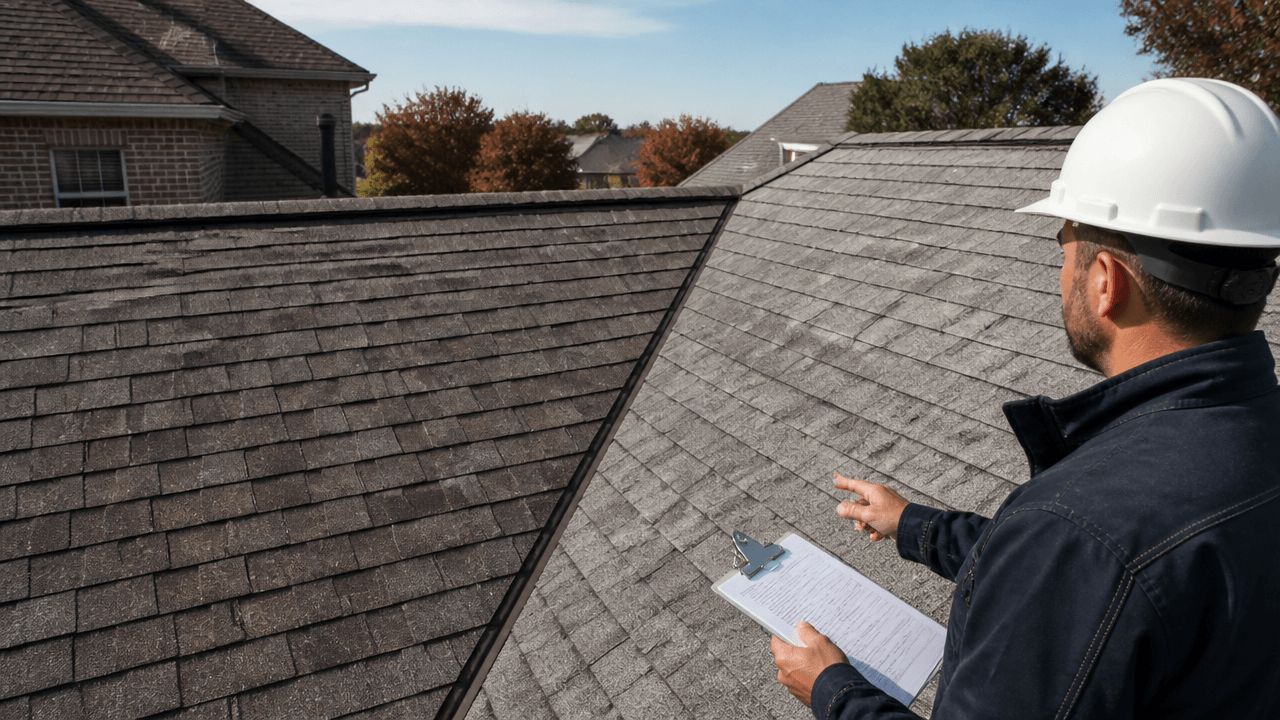
- ✅ Check the roof damage from a safe spot first
- ✅ Gather a heavy-duty tarp, nails, and a hammer
- ✅ Make sure the tarp is large enough to cover the damaged area
- ✅ Clear loose debris from the roof if it is safe to do so
- ✅ Position the tarp so it extends past the damaged section
- ✅ Secure the tarp firmly so wind cannot lift it
- ✅ Keep an eye on the tarp after the next rain or wind
- ✅ Call a roofer as soon as possible for lasting repairs
Following these steps can help you slow further damage and keep your home better protected while you wait for repairs. The goal is to use the tarp as a temporary shield, not as a long-term fix.
If the damage looks wide or the roof is hard to reach, it is smarter to let a professional handle it. That choice can save time, reduce risk, and help the repair process start on the right track.
Additional Advice
When learning how to tarp a roof, timing matters as much as the tarp itself. If you wait too long, even a small opening can let in more water and make the repair harder.
It also helps to choose the right materials before you start. A tarp that is too thin or too small may shift in the wind, which can leave the roof exposed again.
Many people make the mistake of placing the tarp loosely or skipping secure edges. That can cause the cover to fail during the next storm, so careful placement matters from the start.
If you are dealing with storm damage in Austin, a local crew can help you decide what needs urgent attention first. You can also visit residential roofing services for more support when temporary fixes are not enough.
Frequently Asked Questions
How to tarp a roof after a storm?
Yes, you can tarp a roof after a storm if it is safe to reach the damaged area. Start by covering the exposed section with a tarp that extends well beyond the damage, then secure it tightly so wind and rain cannot get under it.
How long can a roof tarp stay in place?
A roof tarp is only meant to be a short-term fix. In most cases, it should stay up just long enough to prevent more damage until a roofer can make proper repairs.
Is it safe to tarp a roof yourself?
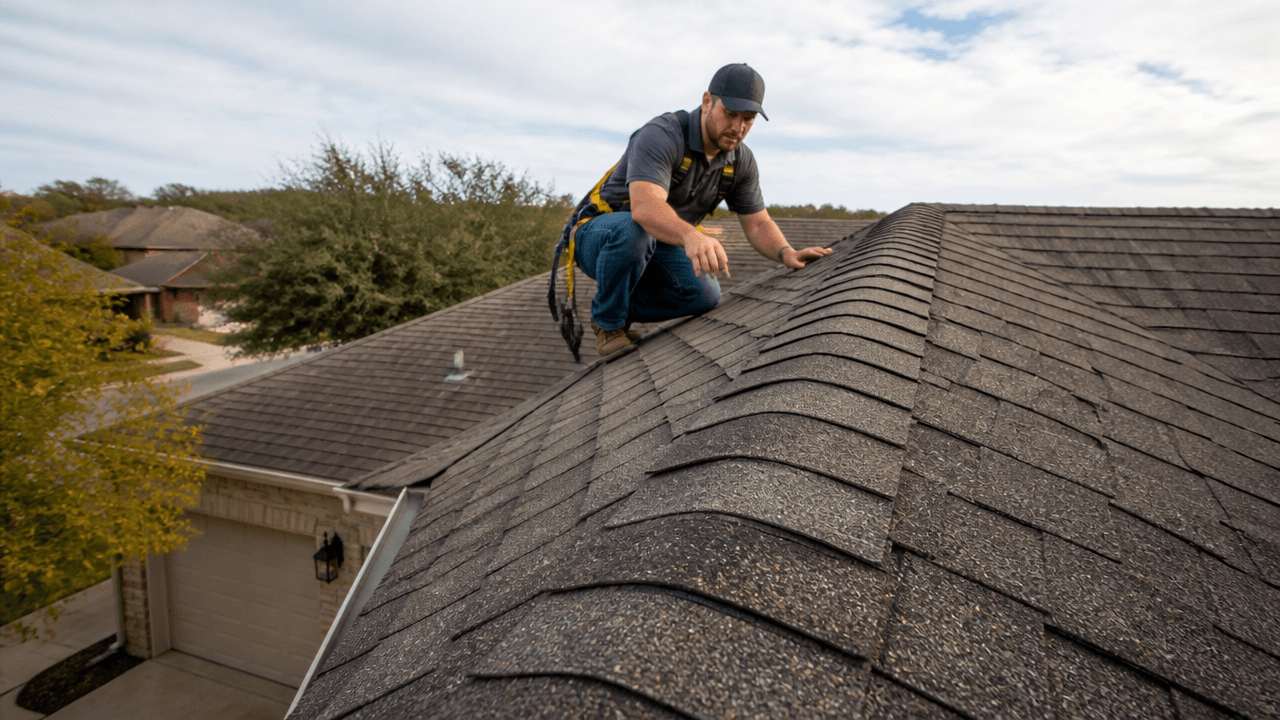
No, it is not always safe to tarp a roof yourself, especially if the roof is steep, wet, or heavily damaged. If there is any risk of falling, it is better to call a roofing professional.
What size tarp do I need for roof damage?
Yes, the tarp should be large enough to cover the damaged area and extend past it on all sides. A larger cover gives you better protection and lowers the chance of leaks around the edges.
Will a tarp stop a roof leak completely?
No, a tarp usually does not stop a roof leak completely for the long term. It can help reduce water entry for now, but the roof still needs a real repair to solve the problem fully.
Final Thoughts on Roof Tarp Protection
Using a tarp the right way can help protect your home from more water damage after a roof problem. It is a smart short-term step, but it should always lead to a proper repair plan.
Homeowners in Austin should act quickly when storms or unexpected leaks leave the roof open to the elements. If you want more updates from the team, follow us on social media.