• Multi-family roofing projects need careful planning: A roof replacement on a multi-family property affects more than the roof itself, so timing, access, and safety all matter. In Southlake, TX, spring weather makes it important to move quickly before heat and storms create delays.
• A step-by-step process helps reduce problems: The blog explains how to inspect the roof, plan the job, protect the site, remove old materials, repair the deck, install the new system, and finish with final checks. Following each step helps keep the project organized and lowers the chance of costly mistakes.
• DIY roofing mistakes can lead to bigger issues: Skipping inspections, rushing setup, or ignoring roof deck damage can cause repairs to fail early. The article also answers common questions so property owners can better understand the roofing process and what to expect.
Why Timing Matters for Multi-Family Roofing
When a roofing project needs attention, waiting too long can turn a manageable job into a bigger disruption. In Southlake, spring weather can change fast, and that makes planning even more important for property owners. A clear plan helps protect tenants, reduce delays, and keep the work moving in the right order.
If you are trying to understand the multi-family roofing installation process explained, it helps to know that these projects involve more than just new shingles. We need to account for building access, safety, material staging, and the daily flow of people living or working on the property. For property managers, that means every step matters from the start, especially when roofing work affects several units at once.
At Imperial Roofing, we know that multi-family projects work best when they are organized before the first tool comes out. That is why we focus on careful scheduling, clear communication, and smart planning for each site. If you want to see how our team approaches roofing and property care, you can visit our main site for more details.
What Goes Into a Smooth Roofing Project
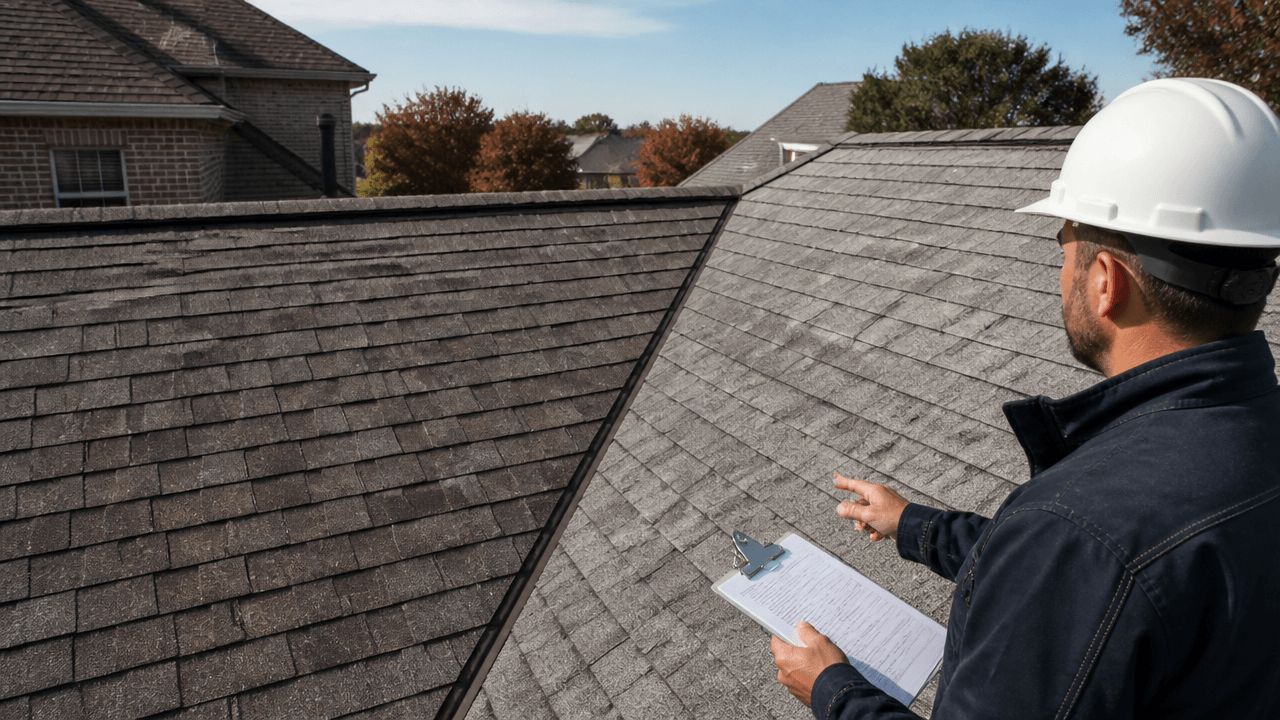
A strong roofing job starts with a close look at the property and the current roof condition. We check for damage, age, drainage concerns, and any areas that may affect the work order. This early review helps us plan the full scope of the project and avoid costly surprises later.
The next part of the multi-family roofing installation process explained is preparing the site so the work can move safely and steadily. That includes organizing materials, setting access points, and making sure the property is ready for each phase of the job. When a project is planned well, the crew can work more efficiently and tenants can deal with less disruption. For properties that need broader building support, our general contracting services can also help keep the process coordinated.
Step-by-Step Guide
📋 Step 1: Review the Property
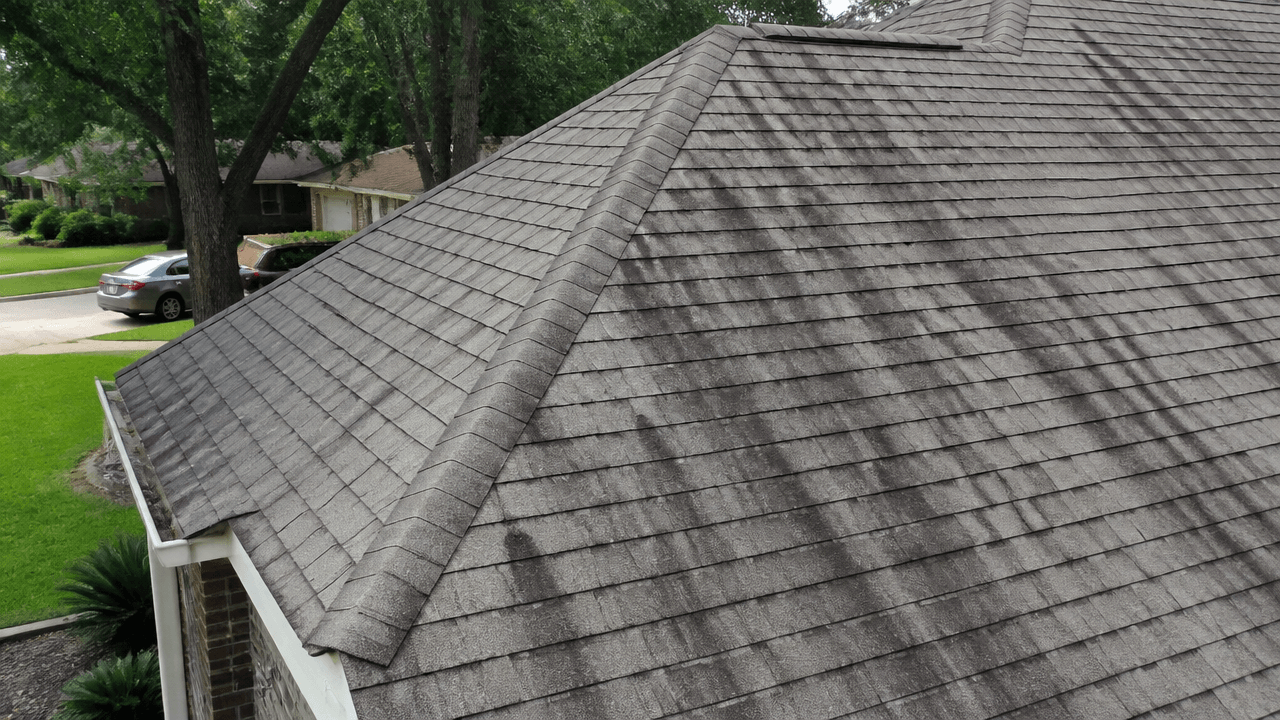
Start with a full walk-through of the building and roof area. Look for visible damage, drainage issues, and signs that the roof system may be nearing the end of its life.
🛠️ Step 2: Plan the Project Scope
Set the work schedule, crew needs, and material list before the job begins. This helps keep the project organized and reduces delays once the installation starts.
🚧 Step 3: Protect the Site
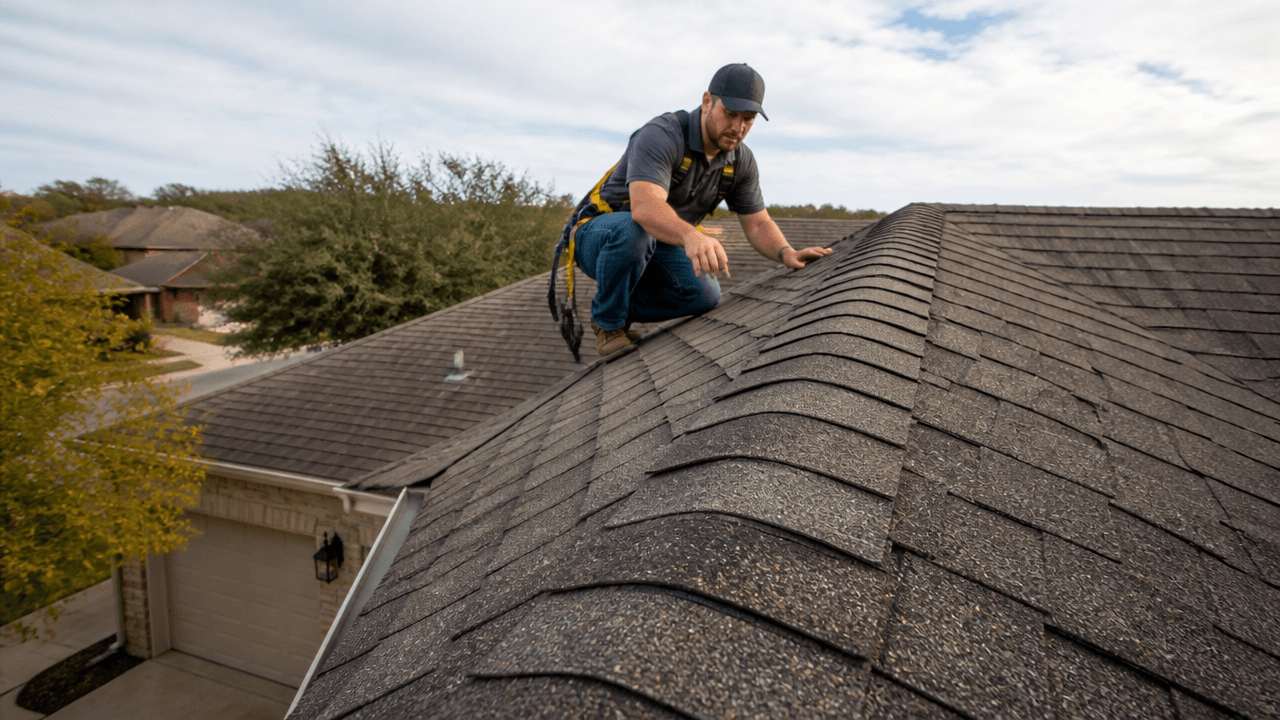
Mark safe access areas and secure the work zone around the building. This lowers the chance of accidents and helps keep tenants, staff, and crew members safe.
📦 Step 4: Stage Materials
Place roofing materials where they can be reached easily without blocking key areas. Good staging helps the crew work faster and keeps the property cleaner during the job.
🔨 Step 5: Remove the Old Roof
Take off the worn roofing system carefully and inspect the deck underneath. This step matters because hidden damage is often found after the old material comes off.
🧱 Step 6: Repair the Roof Deck
Fix any weak, soft, or damaged sections before installing new materials. A solid deck is important because it supports the roof system and helps it last longer.
🧰 Step 7: Install the New Roofing System
Apply the new roofing materials according to the plan and building needs. Each layer must be placed correctly so the roof can handle weather and daily exposure.
✅ Step 8: Finish with Final Checks
Inspect the completed roof for proper placement, clean edges, and secure details. Final checks help confirm the work is ready and reduce the chance of problems after the crew leaves.
Common Mistakes to Avoid
DIY roofing work on multi-family properties can create more problems than it solves. These projects involve safety, planning, and building-wide concerns that are easy to miss without experience. The mistakes below usually happen when people rush the process or skip important steps.
⚠️ Mistake 1: Skipping the Property Review
This happens when someone starts work without checking the roof condition first. It often leads to missed damage, wrong material choices, or a plan that does not fit the property. To prevent it, always inspect the roof and surrounding areas before any installation begins.
⚠️ Mistake 2: Poor Site Planning
This mistake shows up when materials, access points, and work zones are not organized ahead of time. It happens because the project looks simple at first, but multi-family roofs affect more than one unit. The best way to avoid it is to map out the workflow before the crew starts.
⚠️ Mistake 3: Ignoring Safety Areas
People sometimes forget to protect walkways, entrances, and shared spaces. That usually happens when the focus stays on the roof and not on the people living below it. Clear barriers and marked access zones help lower the risk of injuries and confusion.
⚠️ Mistake 4: Leaving Deck Damage Unrepaired
Some DIY projects move forward even when the roof deck has soft spots or other damage. This often happens because the hidden issues are not visible until after removal begins. The fix is simple: repair the deck fully before installing the new system.
⚠️ Mistake 5: Rushing the Final Check
This mistake happens when the job is treated as finished too soon. Small issues like loose edges, missed debris, or weak details can turn into bigger problems after the first storm. A careful final inspection helps catch those issues before they spread.
Frequently Asked Questions
What is the multi-family roofing installation process explained in simple terms?
Yes, it starts with an inspection, then moves into planning, preparation, removal, repairs, installation, and final checks. The goal is to replace or install the roof in a way that protects the building and reduces disruption for everyone on site.
How long does a multi-family roofing project usually take?
Yes, the timeline depends on the size of the property, the roof condition, and the weather. Larger buildings usually take longer because there are more sections, more materials, and more coordination involved.
Why is spring a good time for roofing work in Southlake, TX?
Yes, spring is often a good season because the weather is usually more manageable than the hotter summer months. That makes it easier to plan work, move materials, and keep the project on schedule.
What is the most important first step in a roofing project?
Yes, the first step is a full property and roof review. That inspection helps identify damage, safety concerns, and the best way to move forward with the work.
Can tenants stay in the building during the roofing project?
Yes, tenants can often remain on the property during the work, but it depends on the project scope and safety setup. Good planning helps reduce disruption and keeps access areas controlled while the roof is being installed.
Final Thoughts on a Smooth Roofing Project
A well-planned roof job protects the building, supports the people inside it, and helps the work stay on track from start to finish. When we follow each step carefully, we reduce avoidable problems and create a better result for the property. That is why the multi-family roofing installation process explained matters for owners and managers who want fewer surprises and stronger results.
The best projects are the ones that begin with good planning and end with careful checks. In Southlake, spring conditions can make timing important, so it pays to move with purpose and stay organized. To keep up with our latest work and updates, follow us on social media.