• Find the real roof problem fast: Learn how to inspect a multi-family roof, trace leaks, and spot damage before it spreads to other units.
• Follow a clear repair process: See the step-by-step method for safe repairs, from checking the roof type to making the fix and confirming the result.
• Avoid costly DIY mistakes: Understand the most common errors people make during roof repairs and how to prevent them from turning a small issue into a bigger one.
Why Timely Repairs Matter in Frisco
When roof problems start in a multi-family property, they rarely stay small for long. A missing shingle, soft spot, or ceiling stain can quickly affect more than one unit and create stress for everyone involved. In summer weather, heat and sudden storms can make the damage spread faster than many owners expect.
That is why a clear plan matters from the start. Our roofing team knows that quick action can help protect the building, control repair costs, and keep tenants more comfortable. The sooner we look at the issue, the easier it is to keep a small concern from turning into a larger one.
For property managers and owners, delays often mean more calls, more water damage, and more upset tenants. A damaged roof can also make day-to-day operations harder when repairs are not handled in an organized way. In Frisco, where hot weather and sudden rain can put extra pressure on roofing systems, it pays to stay ahead of problems.
How We Handle Multi-Family Roof Repairs
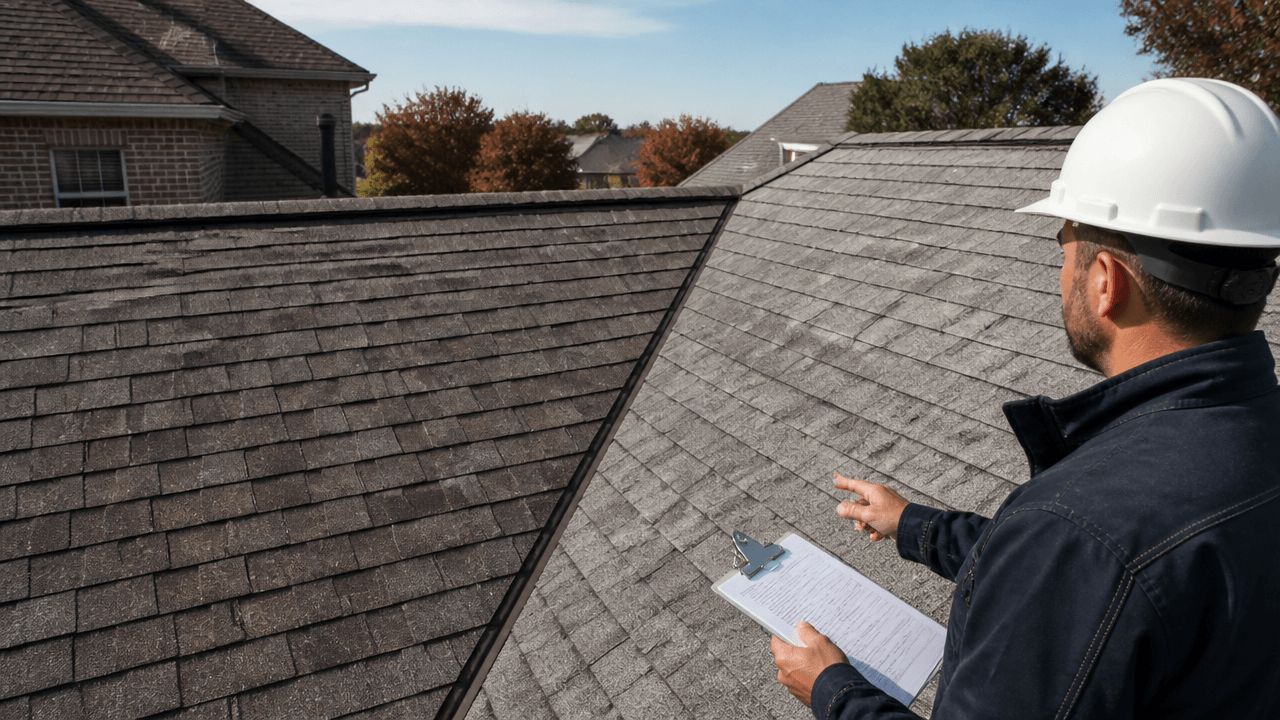
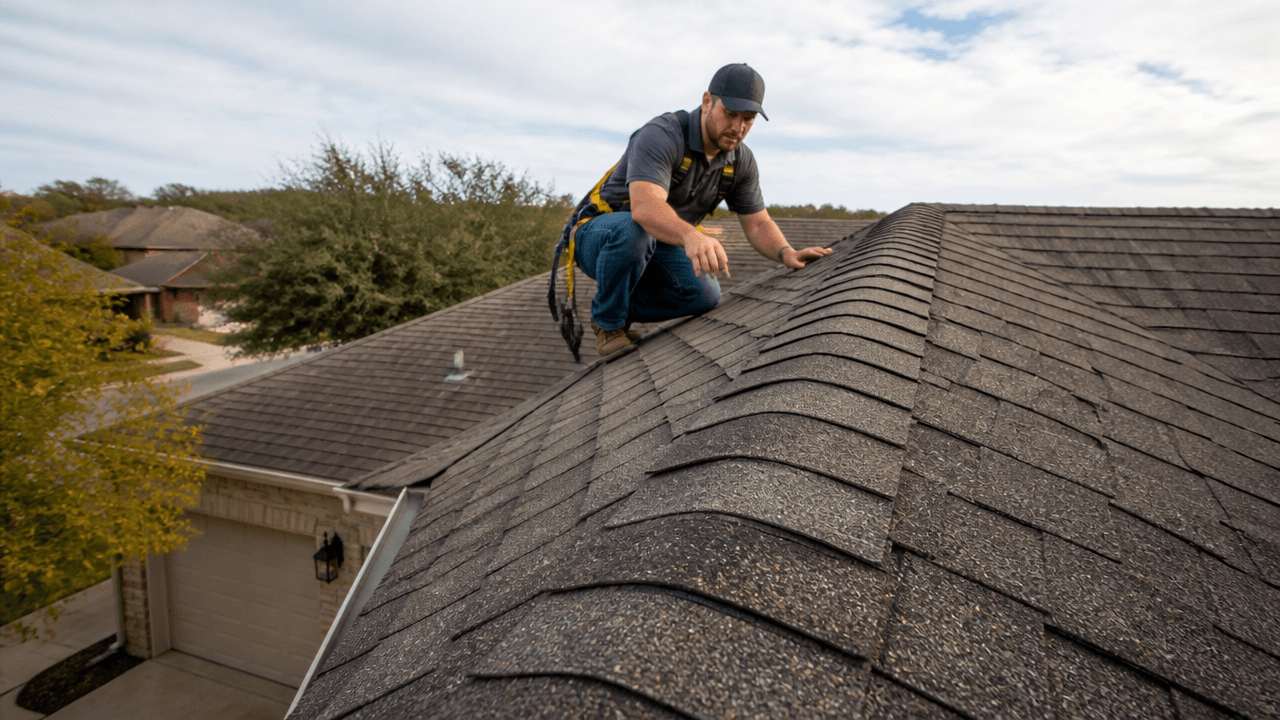
We start by looking at the full roof, not just the spot where the damage shows up inside. Water often moves before it becomes visible, so the source may be farther away than it first appears. A careful inspection helps us find the real issue and decide whether the repair is simple or more involved.
After that, we match the repair plan to the roof type, the damage, and the needs of the property. Multi-family buildings often need work done in a way that limits disruption for residents and keeps access safe. When needed, we also coordinate through our commercial roofing services approach so the repair process stays organized from start to finish.
Step-by-Step Repair Guide
🔍 Step 1: Inspect the Problem Area
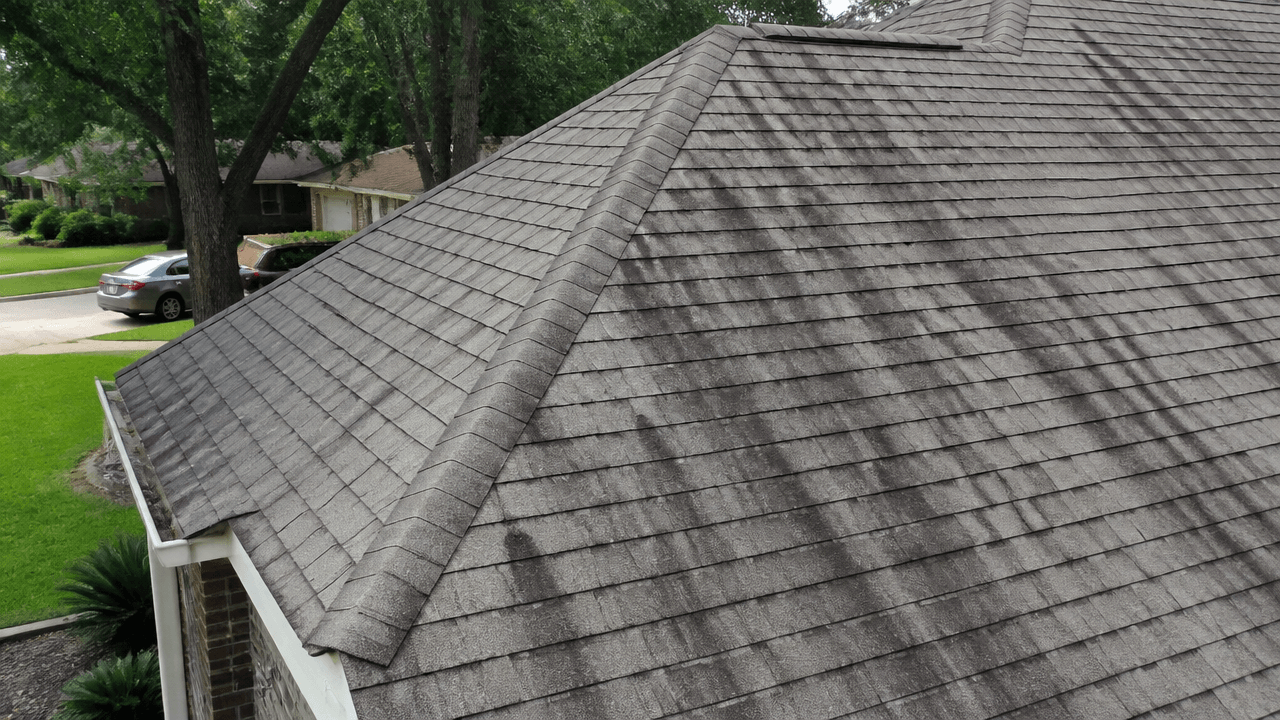
Start by checking for signs like leaks, stains, soft decking, or damaged shingles. This helps narrow down where the trouble began and prevents guesswork during repairs.
📸 Step 2: Document Visible Damage
Take clear notes and photos of every issue you can see. Good documentation helps track the damage and makes it easier to plan the repair correctly.
🧰 Step 3: Identify the Roof Type
Confirm whether the building has shingles, metal, flat roofing, or another system. Each roof type needs a different repair approach, so this step helps avoid the wrong materials or methods.
🛠️ Step 4: Find the Water Source
Look beyond the visible stain or leak point to trace where water is entering. Roof leaks often travel along layers before showing inside the building.
🚧 Step 5: Set Up Safe Work Areas
Protect residents, walkways, and nearby property before any repair starts. Safety matters because multi-family buildings often have more foot traffic than a single-home roof.
🔧 Step 6: Make the Needed Repairs
Replace damaged sections, seal problem areas, or repair flashing based on the roof’s condition. This step should focus on restoring the roof so it can handle heat, rain, and regular wear.
✅ Step 7: Check the Repair After Completion
Inspect the finished work to make sure the problem area is secure and watertight. A final check helps catch missed issues before they cause new damage.
📅 Step 8: Plan Ongoing Maintenance
Set a simple schedule for future roof checks and upkeep. Regular maintenance can help spot small issues early and keep the repair work lasting longer.
Common DIY Mistakes to Avoid
Trying to fix a multi-family roof issue on your own can seem like a way to save time, but it often leads to bigger problems. These buildings usually have more layers, more traffic, and more risk than a small residential roof. The mistakes below are some of the most common reasons DIY repairs fail or create new damage.
- ⚠️ Mistake 1: Only Fixing the Visible Leak
Many people patch the stain they can see and stop there. This happens because the real entry point is often hidden, but leaving the source untreated can let the leak return. To prevent this, trace the water path and inspect the surrounding roof area before making any repair. - ❌ Mistake 2: Skipping the Roof Inspection
Some DIY repairs begin without checking the full roof surface. That usually happens when people want a fast fix, but missing cracked flashing or damaged shingles can leave the problem open. A full inspection helps reveal the real condition of the roof before any work starts. - 🚫 Mistake 3: Using the Wrong Repair Materials
Not every roofing product works on every system. This mistake often happens when someone buys the fastest option instead of matching the material to the roof type, which can lead to poor sealing or early failure. The safest approach is to confirm the roof system first and use compatible repair materials. - ⚠️ Mistake 4: Ignoring Safety Around the Building
People sometimes focus on the repair and forget about the area below it. That happens when they do not plan for foot traffic, tools, or falling debris, which can put tenants and workers at risk. Setting up clear barriers and safe work zones helps prevent injuries and property damage. - ❌ Mistake 5: Leaving Out the Final Check
A repair may look fine at first, but still fail if it was not tested after the work was done. This mistake usually comes from rushing to finish, and it can let small gaps stay hidden until the next storm. A careful final inspection helps confirm the repair is sealed and ready for weather.
Frequently Asked Questions
What is the first step in a multi-family roof repair?
Yes, the first step is a full roof inspection. We look for visible damage, hidden leak paths, and signs of wear so we can find the real problem before making repairs. This is the safest way to start a multi-family roofing repair process explained in a practical way.
How do you find where a roof leak is coming from?
Yes, we trace the leak beyond the water stain or drip spot. Water often travels along roofing layers before it shows inside, so the source may be several feet away from the visible damage. Careful inspection is the best way to locate it correctly.
Can a small roof issue affect multiple units?
Yes, a small roof issue can affect more than one unit very quickly. In a multi-family building, water can move through shared roofing areas and spread into ceilings or walls before anyone notices. That is why quick repairs matter so much.
How long does a typical multi-family roof repair take?
Yes, the time depends on the size of the damage and the roof system. Small repairs may be finished quickly, while larger issues need more time for inspection, materials, and safe work setup. The condition of the roof always determines the schedule.
Why is maintenance important after a roof repair?
Yes, maintenance helps the repair last longer and helps catch new issues early. Regular checks can reveal wear from summer heat, storm damage, or drainage problems before they turn into bigger repairs. That makes upkeep a smart part of protecting the property.
Final Thoughts on Roof Repair
A solid repair plan helps protect the building, the tenants, and the owner’s budget. When we follow the right steps, multi-family roofing repair process explained becomes much easier to manage and much less stressful to handle. In Frisco’s summer weather, staying ahead of roofing issues is one of the best ways to avoid sudden surprises.
We believe good roofing work starts with careful inspection, clear communication, and repairs that fit the property’s needs. If you want to stay connected with our team and see more from Imperial Roofing, follow us on social media.