• Identify early warning signs: Learn what to look for, such as damage or blockages, to prevent costly steep slope roof repairs.
• Maintenance best practices: Discover how to keep your Houston roof in top condition with tips on inspection, cleaning, and trimming foliage.
• Avoid common mistakes: Understand the pitfalls of DIY roof maintenance and why professional help ensures long-term protection.
Early Warning Signs: The Need for Vigilance
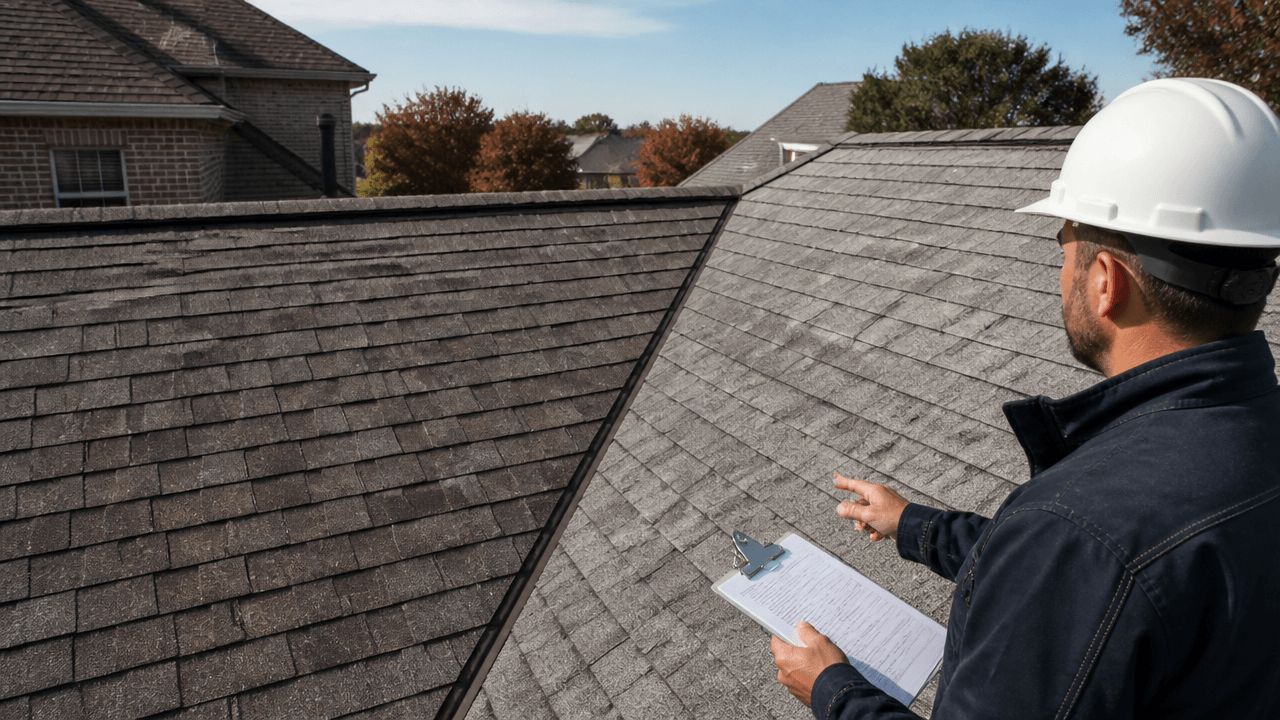
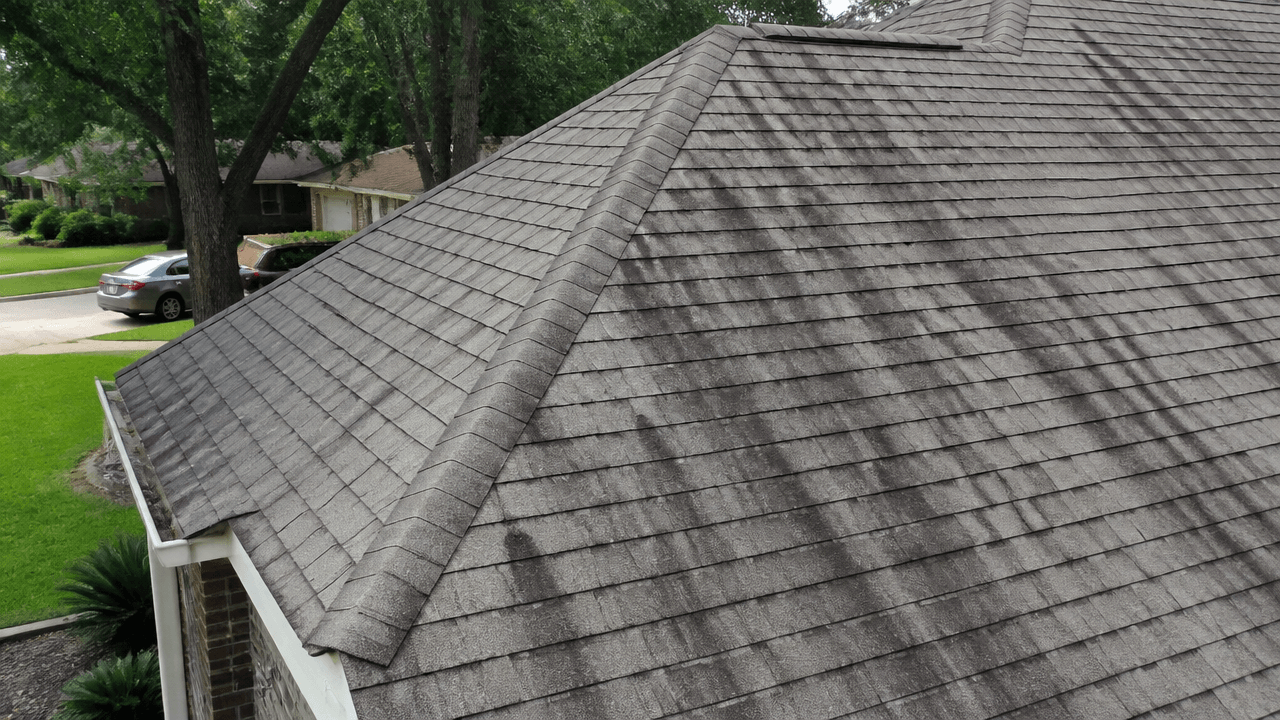
Maintaining your steep slope roof begins with knowing what to look for before issues escalate. Regular inspection is crucial, as it can reveal subtle hints of deterioration that, if ignored, could lead to significant damage. In the intense heat of Houston, your roof could succumb to thermal stress, causing materials to warp or crack. Pay particular attention to discolored patches or areas where granules have worn off; these are early indicators of potential problems.
Ensuring Clear Drainage Systems
Your roof’s drainage is your first line of defense against the torrential downpours common in Houston summers. Blockages in gutters and downspouts can back up water, inflicting structural damage to your roofing system. It’s not just about clearing leaves and twigs; also look for signs of rust or separation at the seams. Poor drainage not only affects the roof but can also lead to water infiltrating the foundations of your home, which is a risk no homeowner should take lightly.
Protective Measures: Trees and Debris
While lush greenery is aesthetically pleasing, overhanging branches present a risk to your steep slope roofing. After a storm, it’s not uncommon for loose branches to scrape against roof surfaces or, worse, fall and cause breakage. Keep an eye out for accumulating foliage and organic matter on the roof as this can retain moisture and promote rot. It’s essential to routinely monitor the proximity of trees to your roof and to take preemptive action to trim them back as part of your maintenance plan.
Stepping Up to Maintenance: A Proactive Approach
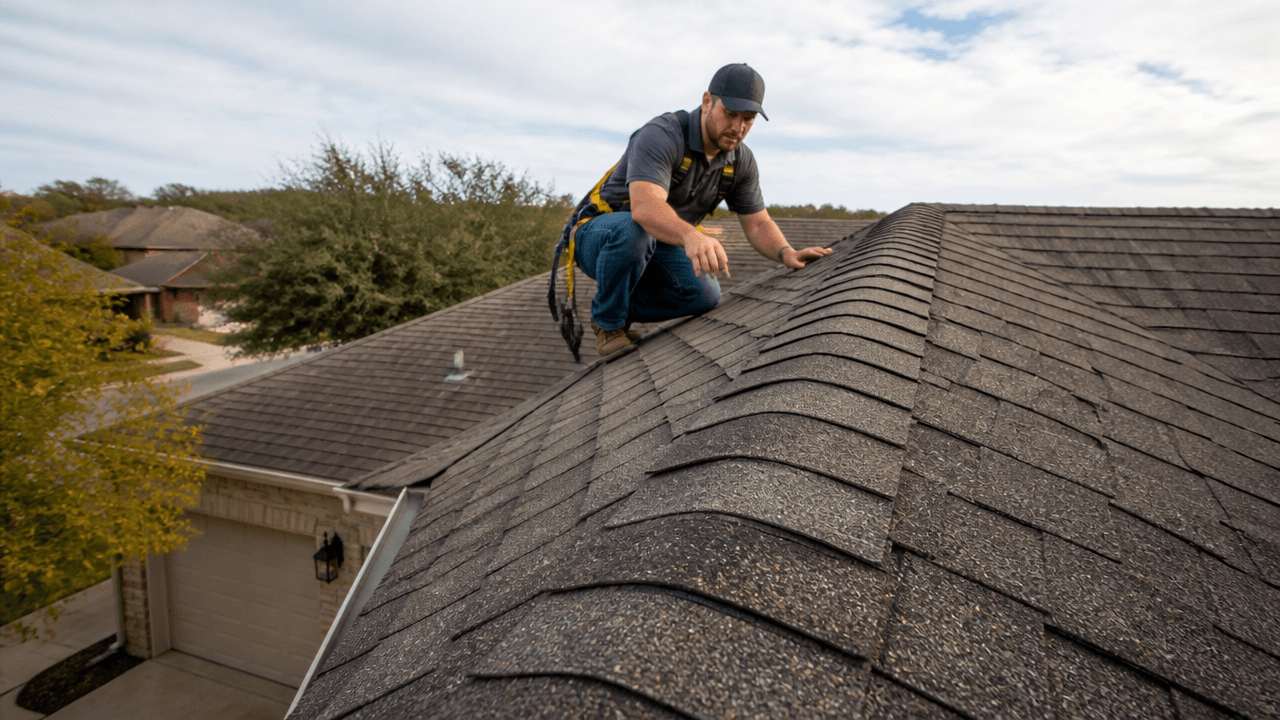
Understanding the nuances of roof maintenance is paramount for homes with steep slopes. The architecture of such roofs presents unique challenges best managed through a proactive approach. Conducting a self-inspection biannually is just the start; ensuring that this is done in the cooler hours of the morning can prevent heat-related damage or injury. Particularly vulnerable areas, such as valleys and joints, should be the focus, as these are often the initial sites where leakage and decay manifest.
Maintaining Integrity: Securing the Roofscape
Maintaining the integrity of your roof is not a solitary task; it requires the support of skilled professionals. The network of services provided by Imperial Roofing is designed to address both residential and commercial roofing needs, with an emphasis on durability and reliability. Aligning with experts in roofing services ensures that all components of your steep slope roof, from shingles to underlayment, get the specialized treatment they deserve. It’s not just about repairs, but also about applying preventive measures that guard against Houston’s diverse weather patterns.
Step 1: Inspect Your Roof Regularly
Set a routine to inspect your steep slope roof every six months, especially after severe weather conditions in Houston’s summer season, to identify any potential issues.
Step 2: Clean Gutters and Downspouts
Ensure your gutters and downspouts are free from debris, as blockages can cause water to back up and damage your roof.
Step 3: Trim Overhanging Tree Branches
Trim any tree branches that hang over your roof to reduce debris accumulation and prevent damage caused by falling limbs during storms.
Step 4: Check for Roof Damage
Look for signs of wear and tear, such as cracked, missing, or damaged shingles, which could lead to leaks if left unattended.
Step 5: Ensure Proper Ventilation
Check your attic to ensure your roof is adequately ventilated, which is crucial in the Houston heat to limit moisture and heat buildup that can shorten a roof’s lifespan.
Step 6: Monitor Flashings and Sealants
Inspect and maintain the flashings around vents, chimneys, and skylights, as well as the sealants, which can deteriorate over time and lead to leaks.
Step 7: Schedule Professional Inspections
Engage a professional roofing contractor at least once a year for a thorough inspection and to address any complex maintenance needs.
Step 8: Plan for Repairs and Replacement
Based on your and professional assessments, plan for necessary repairs or consider replacement if the roof is beyond its serviceable lifespan, especially in Houston’s demanding climate.
Introduction to Common DIY Roof Maintenance Mistakes
Undertaking DIY maintenance on your steep slope roof can be effective if done correctly, but there are pitfalls to watch out for. Homeowners often fall into traps that can lead to more harm than good, turning simple maintenance tasks into costly repairs. In this section, we’ll navigate through some frequent missteps, so you can maintain your roof smartly and safely.
Mistake 1: Neglecting Regular Inspections
Many homeowners remember to inspect their roof only after noticeable damage has already occurred. Regular inspections, particularly after extreme weather, can save you from unforeseen repair costs and extend the life of your roof.
Mistake 2: Overlooking Gutter Maintenance
Gutters clogged with leaves and debris are a common oversight that can lead to water damage on your roof and home’s foundation. Twice-yearly cleaning, in the spring and fall, prevents blockage and ensures water flows away from your roof properly.
Mistake 3: Improper Tree Management
Allowing tree branches to overhang your roof might lead to abrasion and, in severe storms, cause significant damage. Regularly trimming back these branches not only protects your roofing material but also mitigates the risk of animals accessing your roof.
Mistake 4: Ignoring Minor Problems
Small issues like a few cracked shingles may seem trivial but can evolve into major problems like leaks or structural damage. Attending to minor imperfections promptly can avoid a cascade of roofing issues.
Mistake 5: Inadequate Ventilation
Ignoring attic ventilation can lead to heat and moisture buildup which, over time, can weaken your roof’s structure. Ensure sufficient airflow by checking and clearing vents and considering additional ventilation options if necessary.
Mistake 6: DIY Flashing and Sealant Repairs
Amateur work on flashings and sealants often leads to improper sealing and eventually leaks. Using the correct materials and techniques or consulting a professional is crucial for these repairs.
Mistake 7: Skipping Professional Inspections
Considering the complexity and safety concerns, skipping a yearly professional inspection is a risk not worth taking. Experts can spot issues that are not visible to the untrained eye.
Mistake 8: Delaying Repairs or Replacement
Postponing necessary repairs or replacement might cause further damage to your home. A timely response to professional recommendations can be the difference between a repair and a full replacement.
Navigating Roof Repairs and Replacement
When the time comes for more significant interventions on your roof, understanding when to repair and when to replace is key. Minor issues, when addressed quickly, can often be repaired extending the life of your roof. However, persistent problems or significant damage may indicate that it’s time to consult with specialists on an appropriate replacement.
Consult the Experts at Imperial Roofing
Confronting roofing issues can be daunting without proper guidance, but help is readily available. With specialists like those at Imperial Roofing, you receive expert advice tailored to the intricacies of steep slope roofs. Whether it involves repair services or complete roof overhauls, accessing professional expertise can ensure that your home is protected and your roofing investment is sound.