• Discover the signs that your flat roof in Houston may need an end-of-summer inspection and why prompt action is crucial
• Learn the critical steps for preparing a flat roof for inspection and how to avoid common maintenance mistakes
• Understand why professional assistance from a service like Imperial Roofing ensures your roof’s longevity and protection
Recognizing Warning Signs
As Houston homeowners, it’s vital to understand the warning signs that your flat roof needs inspection as we approach the end of summer. An obvious red flag is the presence of pooled water, which can degrade roofing materials and lead to leaks. Rust formation or deterioration around vents and chimneys may also signal that your roof’s integrity is compromised, a silent harbinger of potential issues lying beneath the surface.
The Houston heat can wreak havoc on your flat roof’s surface, so look out for cracks or blisters in the roofing membrane. These imperfections signal the urgent need for maintenance, as they can quickly escalate into bigger problems during seasonal transitions. A visual check for loose or damaged sealant is also crucial since these are the first lines of defense against water penetration.
Inside your home, look for evidence of roof problems in the form of water stains or drips which suggest a breach that needs attention. Additionally, consider the age of your flat roof; if it’s been a decade or more, your roof’s ability to protect your home could be nearing its limit. Scheduling a professional inspection with Imperial Roofing can preempt costly repairs and add years to your roof’s lifespan.
A Step-by-Step Guide to Flat Roof Inspection
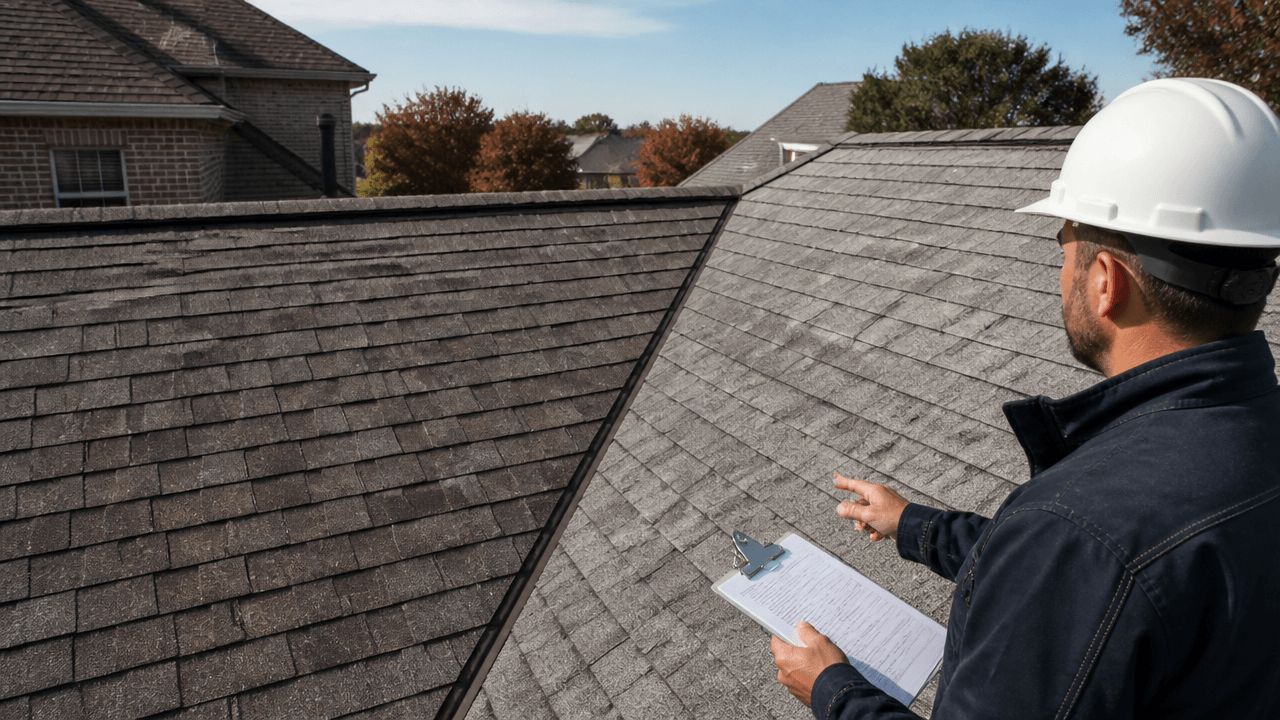
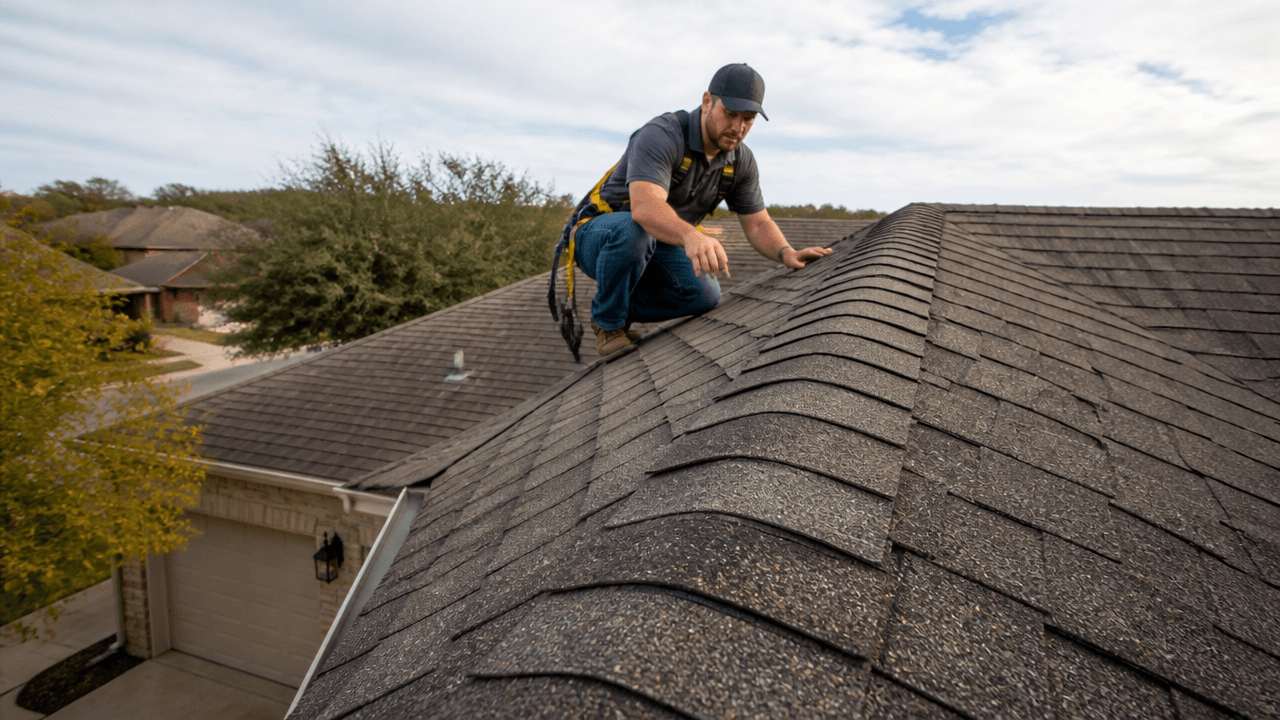
Preparing your flat roof for an end-of-summer inspection is crucial in the volatile Houston climate. Begin by clearing your roof of any debris such as fallen branches, leaves, and dirt that often accumulates over time. This not only prevents decay and water pooling but also makes the inspection process more manageable. After clearing the roof, perform a visual check for any noticeable signs of damage or wear, as these could lead to major issues if left unaddressed.
Remember that comprehensive inspections often reveal what’s not visible to the untrained eye. Ensure that your roof’s drainage is functioning optimally to prevent any water accumulation, as Houston’s intense summer storms can heavily tax the drainage system. By scheduling a professional inspection with Imperial Roofing, you’re entrusting your home to experts who can detect and remedy minor issues before they escalate. A thorough inspection at this time can save significant costs by preventing emergency repairs during the less forgiving seasons.
Maintaining and Fixing Your Flat Roof
After identifying any issues, timely intervention is critical for maintaining your roof’s integrity. Minor problems like cracks or blistering in the roof’s membrane can be swiftly repaired to prevent leaks and internal water damage. Checking and repairing sealant around the edges and where the roof fixture meets the membrane ensures your home remains dry and secure during unpredictable weather. Keep an eye out for rust and damage on the flashings, as these can also compromise the roof’s protective capabilities.
For any concerns outside general maintenance, don’t hesitate to seek professional help. A certified contractor from Imperial Roofing has the expertise to conduct in-depth inspections and execute the necessary repairs. By tackling maintenance issues promptly, you further ensure the longevity of your flat roof and safeguard your property. Act now and schedule your inspection to ensure your flat roof remains in prime condition for Houston’s upcoming fall and winter seasons.
Step 1: Schedule the Inspection Ahead of Time
Begin by scheduling your flat roof inspection well before the end of summer. Ideally, aim to set a date in mid-to-late August. This allows you to address any issues before the fall weather sets in and ensures that your roof is prepared for the cooling temperatures and potential storms.
Step 2: Clear Debris from the Roof Surface
Remove any debris, such as leaves, twigs, or trash, from your flat roof. Accumulated debris can trap moisture, causing deterioration of the roofing material and potential leaks.
Step 3: Check for Drainage Issues
Ensure that all drainage systems on your flat roof are clear and functional. Standing water can be a sign of poor drainage and can cause significant damage to a flat roof structure.
Step 4: Look for Signs of Damage or Wear
Examine the roof surface for any visible signs of damage, such as tears, blisters, or cracks in the roofing material. Also, check for areas with worn-out sealant that may need to be resealed.
Step 5: Inspect Roofing Fixtures and Flashings
Check all roof fixtures and flashings for signs of rust, separation, or general wear and tear. Ensure that they are securely attached and fully functioning as they play a critical role in keeping your roof watertight.
Step 6: Evaluate the Roof Interior
If possible, inspect the underside of the roof from the interior of the building. Look for any signs of water infiltration or staining on the ceiling, which may indicate a leak that needs to be addressed.
Step 7: Document Your Findings
Keep a record of all the issues you discover. Photographs and detailed notes will be useful for a professional roofing contractor to understand the condition of your roof.
Step 8: Contact a Professional
For anything beyond basic inspections and cleaning, contact a professional roofing service like Imperial Roofing in Houston, TX, to address any issues. They will provide a more thorough inspection and carry out necessary repairs or maintenance before the end of summer.
It seems like there might have been some misunderstanding regarding the format required for the section about common mistakes. Let me rewrite the section while following the specified structure, including a clear introduction and outlines for each mistake.
—
Steering Clear of Flat Roof Pitfalls
Taking on flat roof maintenance can be a daunting task for any Houston homeowner. While the intent to protect your home is admirable, common missteps could lead to greater damage and expenditures. Understanding these pitfalls is the first step toward effective roof management.
Mistake 1: Postponing Your Inspection
Many homeowners make the error of waiting until they observe obvious damage before scheduling an inspection. The key to roof longevity is prevention; schedule inspections proactively in mid-to-late August, well before Houston’s storm season peaks, to avoid costly repairs.
Mistake 2: Not Thoroughly Clearing Debris
In the haste to clear a roof, critical spots may be overlooked, leaving behind debris that can trap moisture and decay roofing material. Take the time to meticulously clear all debris from the roof surface, including the areas around fixtures and in corners, to prevent trapped moisture and subsequent roof deterioration.
Mistake 3: Neglecting Drainage Systems
A flat roof’s enemy is water retention, so failing to check and clear the drainage system can lead to standing water and potential roof damage. Regularly check and maintain your roof’s drainage system, especially after storms or heavy rains, to ensure water can escape efficiently and prevent pooling.
In avoiding these common mistakes, homeowners can extend the life of their flat roofs and ensure that their homes remain protected against Houston’s elements. Remember, while proactive measures are crucial, there’s no substitute for the expertise of professionals like Imperial Roofing when specialized maintenance is required.
Evaluating the Aftermath of Your Inspection
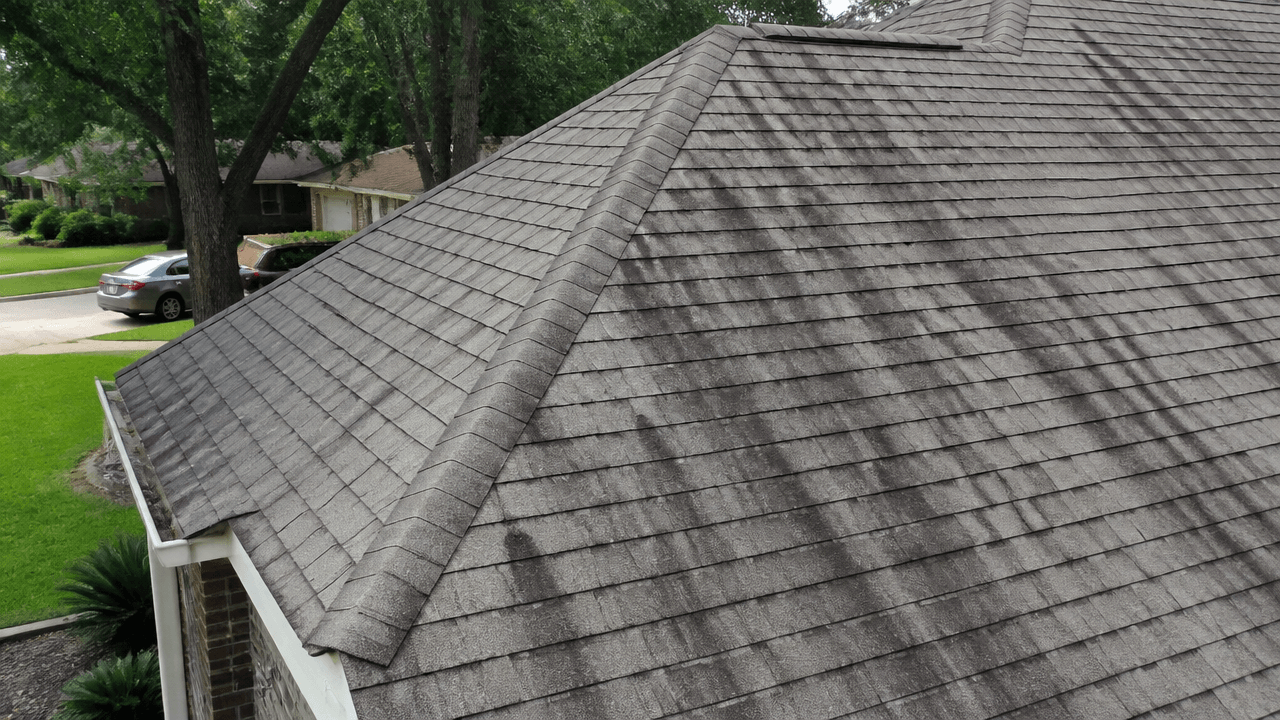
Once you’ve conducted your inspection, assess the results carefully. Minor issues like a few loose granules or slight discolorations might not warrant immediate interventions, but keep an eye on them. More pressing concerns, such as a puncture or significant pooling, indicate that it’s time to bring in the experts for repairs.
When to Call the Professionals
If the inspection uncovers any significant damage or if you’re simply unsure about your findings, don’t hesitate to contact a professional. At [Imperial Roofing](https://imperialroofing.net/residential-roofing-services/), their team can provide a deeper analysis and carry out any needed repairs, leveraging their expertise to extend the life of your flat roof. It’s a small investment today that can prevent large expenditures and headaches tomorrow.