• Deciding between roof replacement and repair: Understand cost factors, material durability, and longevity.
• Expert opinions recommend professional assessment for safe and effective roofing solutions.
• Financial implications: Examine the long-term investment benefits and maintenance costs associated with each option.
Recognizing the Red Flags
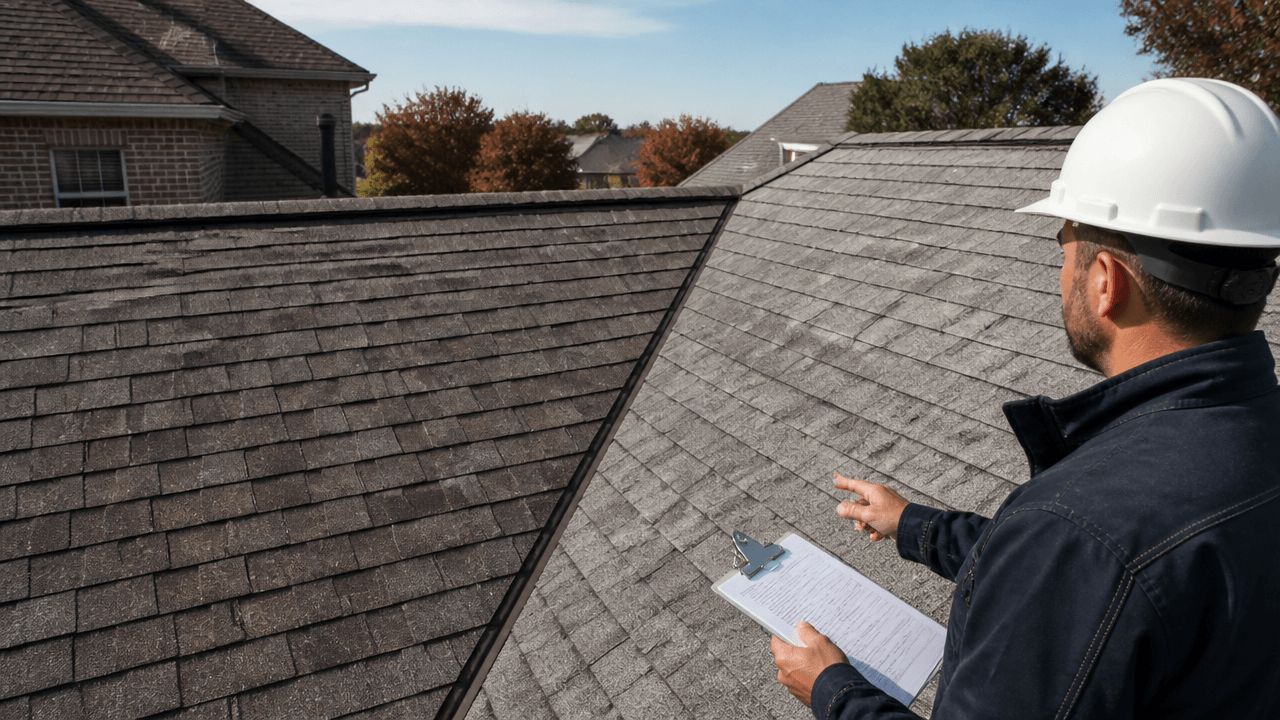
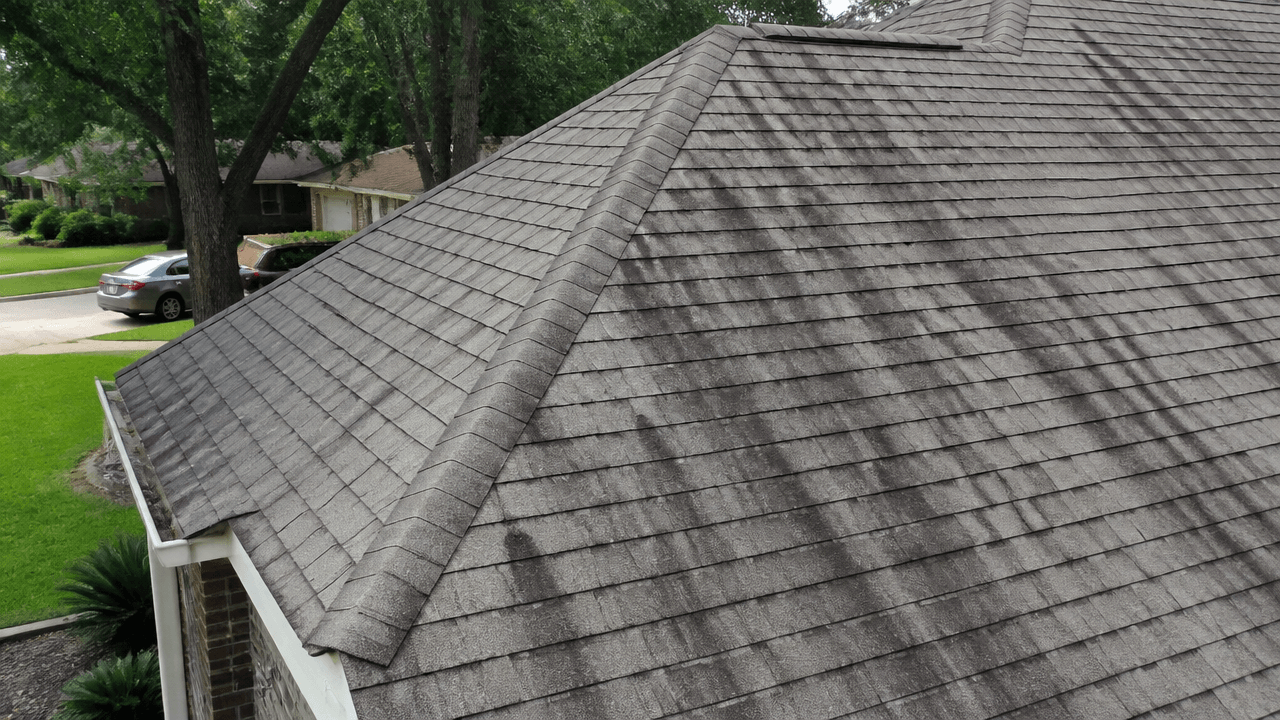
When it comes to roof replacement vs repair cost comparison, the first step is to scrutinize your roof for any glaring issues that could escalate into bigger problems. Start by considering the age of your roof – if your roof has shielded your Southlake home for decades, it might be nearing the end of its lifespan. Check for missing, curled, or cracked shingles as these are clear indicators of a roof crying out for help. Frequent past repairs may suggest that it’s time for a more permanent solution rather than another short-term fix.
The Materials Matter
Understanding the variety of materials available for roof repair and replacement is crucial. In Southlake, TX, the intense seasons demand that your choice of roofing materials not only meets aesthetic preferences but also stands up to the regional climate. Research into materials like asphalt shingles, metal, or classic tiles can reveal their longevity and suitability for your home, each with its own cost implications. Knowing the specifics of these materials will guide you in making an informed decision for your roof.
Costs in Context
A crucial component of decision-making lies in comparing the costs of potential repairs against a full roof replacement. Gather estimates from reputable local roofers in Southlake who can provide detailed breakdowns of labor and material costs for fixing common issues. Whether it’s a minor leak or extensive storm damage, these quotes will give you a clearer picture of your financial commitment. Remember, the aim is to secure the integrity of your roof without unnecessary expenditure.
Investing in Your Home’s Future
Replacing an aging roof is an investment towards your property’s longevity and value. As homeowners in Southlake, we must consider not just the immediate expenses but also the long-term savings and advantages that a new roof can offer. Modern roofing technologies not only enhance your home’s curb appeal but can significantly increase its energy efficiency, leading to a reduction in heating and cooling costs. When you choose a roof replacement, you’re not only addressing the current problem but also preventing potential future issues.
Warranty and Workmanship
When contemplating significant home improvements, such as roof repair or replacement, it’s crucial to keep warranties and professional workmanship in mind. A strong warranty could bolster the initial higher cost of a roof replacement, offering peace of mind along with potential future savings. It’s recommended to work with reputable roofing professionals who provide clear, detailed warranties that cover both materials and labor. Trustworthy contractors not only deliver quality but also stand behind their work, ensuring that your investment is protected.
Step 1: Understand Your Roof’s Current Condition
Evaluate your roof’s age, check for visible signs of damage, and consider how frequently you’ve needed repairs in the past. This initial assessment sets the foundation for your cost comparison.
Step 2: Research Roofing Materials
Discover the various materials available for repairs and replacements, such as asphalt shingles, metal, or tiles, and understand their individual costs and longevity.
Step 3: Compare Repair Costs
Gather quotes from local roofers in Southlake, TX for fixing common issues like leaks, missing shingles, or storm damage. Factor in both labor and material costs for these repairs.
Step 4: Estimate Replacement Costs
Request estimates for a full roof replacement and ensure they cover all necessary components, such as underlayment, shingles, and labor.
Step 5: Consider the Long-Term Value
Analyze how long repairs versus a new roof might last, taking into account Southlake’s weather patterns. A new roof might be more cost-effective over time.
Step 6: Look into Warranties and Guarantees
Check the warranties offered for both repairs and replacements, as a longer warranty can add value to the higher upfront cost of a replacement.
Step 7: Calculate Potential Energy Savings
Investigate whether a new roof, especially with modern, energy-efficient materials, could reduce your heating and cooling bills, thus impacting the overall cost comparison.
Step 8: Make Your Decision
Using the information gathered, weigh the immediate costs against the long-term benefits to decide whether roof repair or replacement is the most cost-effective option for your Southlake home.
Avoiding Common DIY Roofing Mistakes
Before you climb up the ladder armed with shingles and a sense of confidence, remember that DIY roofing projects are rife with pitfalls. Homeowners often underestimate the complexity of roofing work, leading to costly errors that could have been avoided with professional help. This section will help you navigate common missteps, ensuring you make informed decisions during your roofing project, whether you’re evaluating the condition of your roof or weighing the costs of materials and repairs.
Mistake 1: Neglecting Safety Precautions
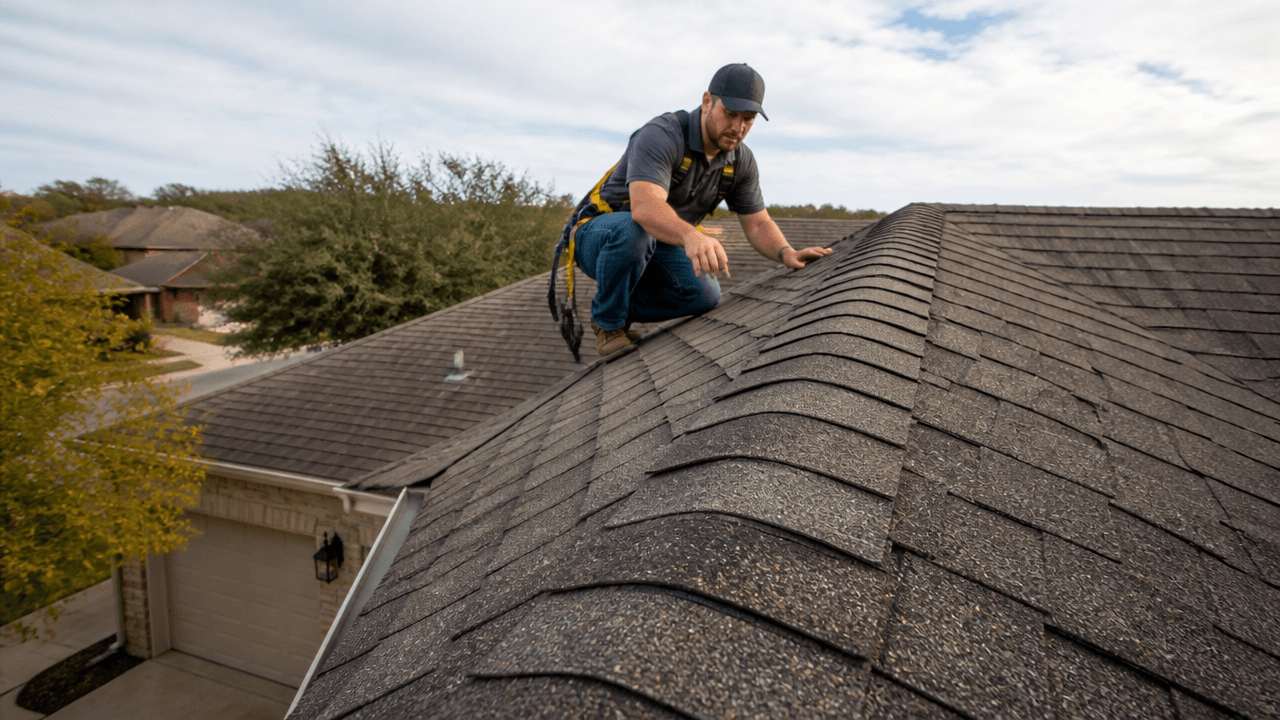
Many DIY enthusiasts leap into roofing projects without proper safety gear or awareness of the risks. Falling from roofs is a leading cause of injury; thus, using safety harnesses and understanding proper ladder placement is critical.
Mistake 2: Inadequate Assessment of Roof Damage
A cursory glance often misses subtle signs of damage. It’s vital to thoroughly inspect your roof for issues like small leaks or wind-lifted shingles, which can lead to more significant problems if left unaddressed.
Mistake 3: Choosing the Wrong Materials
Selecting roofing materials based solely on price or aesthetics rather than suitability for the local climate and roof slope often leads to premature wear. Southlake’s diverse weather conditions require materials that can withstand strong storms and high temperatures.
Mistake 4: Improper Installation Techniques
Incorrect nailing patterns, poor shingle alignment, or inadequate sealing can lead to leaks and reduced lifespan of the roof. Following manufacturer instructions and best practices ensures a more durable and efficient roof.
Mistake 5: Overlooking Local Building Codes
Every area has specific building codes that govern roofing work, including materials and installation methods. Ignoring these can result in fines and the need for costly corrections.
Mistake 6: Failing to Consider the Longevity of Repairs
Short-term fixes might seem cost-effective but might not stand up to Southlake’s seasonal changes. Evaluating the long-term value of repairs versus a replacement is paramount for a sustainable roofing strategy.
Mistake 7: Disregarding Warranty Specifications
Many warranties are voided by incorrect installation. Always review warranty terms and understand the conditions that could nullify it, such as using unapproved materials or methods.
Mistake 8: Underestimating the Complexity of Roofing Work
Roofing is more than just laying shingles; it involves a nuanced understanding of architectural integrity and weatherproofing techniques. Underestimating this complexity can lead to improper repairs or replacement, compounding roof issues over time.
Energy Efficiency and Modern Roofing
With the advancement of materials, a roof replacement has the potential to make your home much more energy-efficient. This is particularly relevant in Southlake’s diverse climate, where improved insulation can lead to significant reductions in utility bills. Consider browsing residential roofing services that specialize in cutting-edge materials designed for durability and efficiency.
Assessing the Overall Impact
Ultimately, the decision between repairing or replacing your roof affects not only your finances but also your home’s future market value. A meticulous cost-benefit analysis—considering both repair quotes and replacement estimates—can clarify which option is more practical for your specific situation. It’s about balancing the scales between current costs and the potential increase in property value post-upgrade.