• Essential steps for seasonal roof maintenance ensure longevity
• Professional help provides best results for homeowners’ roof care
• Visit our social media page for updates on maintenance techniques and services
Recognizing the Telltale Signs of Roof Wear
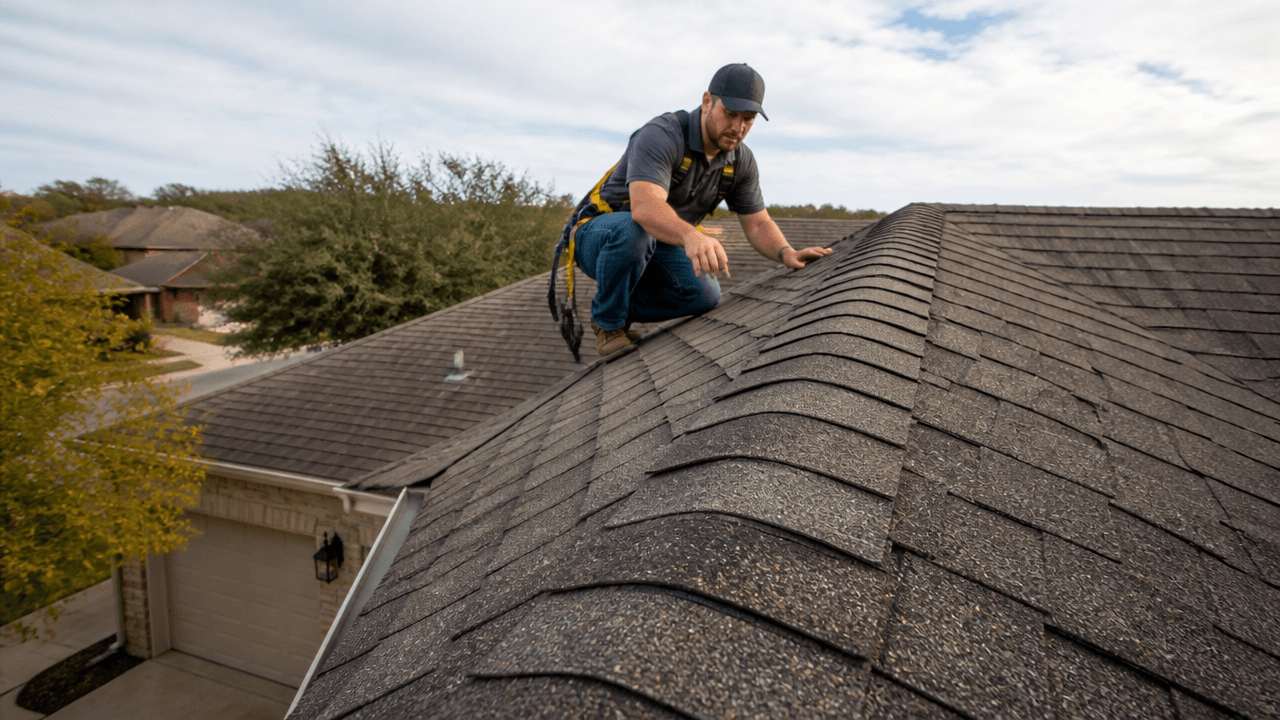
Before diving into our seasonal roof maintenance guide, it’s crucial to understand what warning signs to watch out for. The end of summer in Austin, TX, can leave your roof weary from extreme heat and sudden storms. Look for missing or visibly damaged shingles, which are clear indicators that your roof’s integrity may be compromised. Consistent exposure to intense sunlight can make shingles brittle, leading to cracks and potential leaks.
Gutters: The Frontline of Roof Maintenance
Gutters function as your roof’s first line of defense against water damage but can become a source of trouble if not maintained. Leaves, twigs, and other debris can accumulate quickly, particularly through the fall season. A clear sign of gutter issues is water spillover during rainfall, as this can indicate blockages that prevent proper drainage. Take action to prevent water from backing up and undermining your roof structure.
Landscape Management: Overhanging Limbs and Debris
While beautiful, the trees surrounding your Austin home can contribute to roof wear. Branches that sprawl over your rooftop can scrape against shingles, dislodging them or creating wear spots. After summer, inspect these limbs and look for accumulated debris that may have collected on your roof. Strategic trimming can mitigate the risk of damage and ensure that the branches don’t add to your roof’s seasonal maintenance woes.
Effective Leak Prevention Techniques
Detecting and addressing roof leaks early can save homeowners in Austin a significant amount of time and money. Start by visiting your attic or examining ceilings for water stains or mold, which often signal a breach in your roof’s defenses. Minor drips can quickly escalate into major problems, particularly during the stormy fall season when rain becomes more frequent. Preventative measures, such as ensuring proper shingle overlay and sealant integrity, are your best bet for keeping moisture out.
Insulation and Ventilation: Key to Roof Health
A well-maintained roof is not just about its outer layer; proper attic insulation and ventilation play pivotal roles in extending its lifespan. A poorly ventilated attic leads to excessive heat build-up, causing premature aging of roofing materials. Check that your insulation is dry and intact, and that your attic vents are free from blockages. Optimal airflow prevents moisture accumulation, a common culprit behind many roof issues, and ensures you stay ahead of potential maintenance needs.
For more information on maintaining the health of your roof or to schedule an inspection with our seasoned experts, visit our comprehensive roofing services page.
Step 1: Inspect Your Roof for Signs of Wear
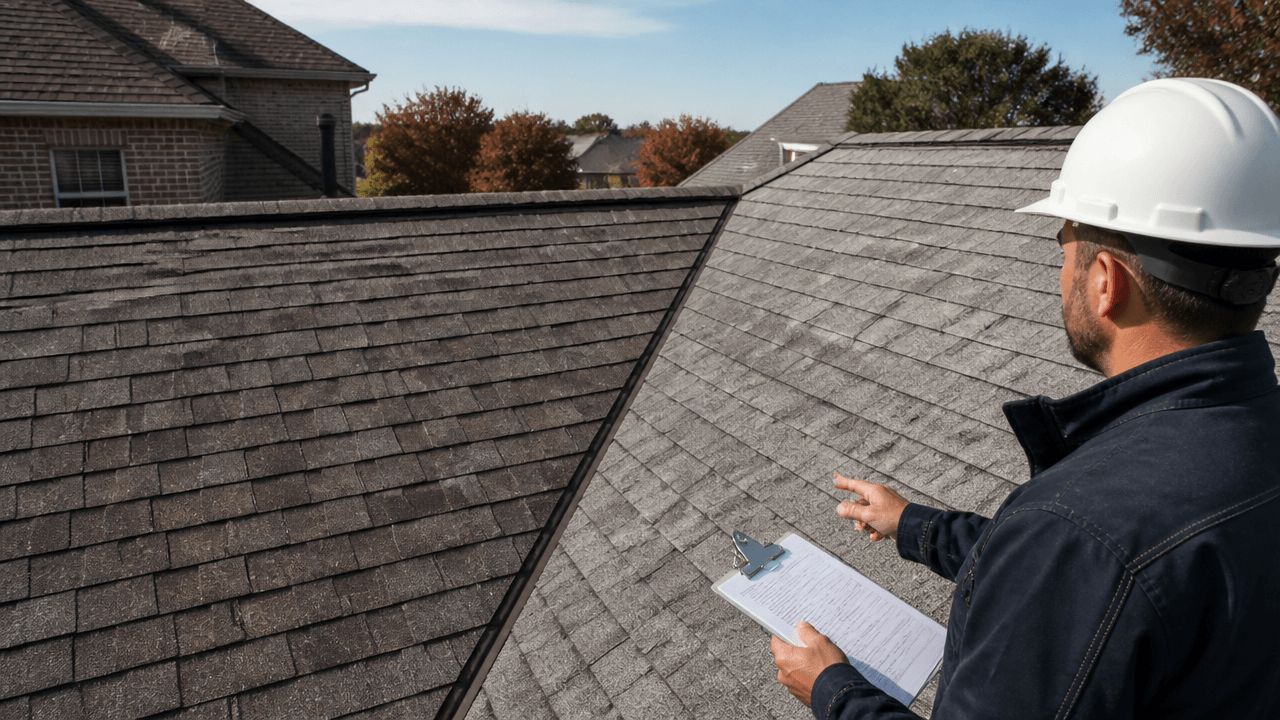
Begin your seasonal maintenance by checking for signs of damage, such as missing or broken shingles, wear around vents and chimneys, or debris in gutters.
Step 2: Clear Gutters and Downspouts
Ensure proper drainage by removing leaves and debris from your gutters. Clogged gutters can cause water to back up and damage your roof.
Step 3: Trim Overhanging Branches
Cut back any branches that touch or hang over your roof to prevent damage and reduce the likelihood of debris falling onto your roof during storms.
Step 4: Look for Leaks in Your Attic or Ceiling
Check your attic or ceilings for any signs of water intrusion, as this may indicate a leak in the roof that must be addressed promptly.
Step 5: Examine Ventilation and Insulation
Proper ventilation and insulation prevent heat and moisture buildup that can damage your roof. Ensure vents are not blocked and insulation is adequate.
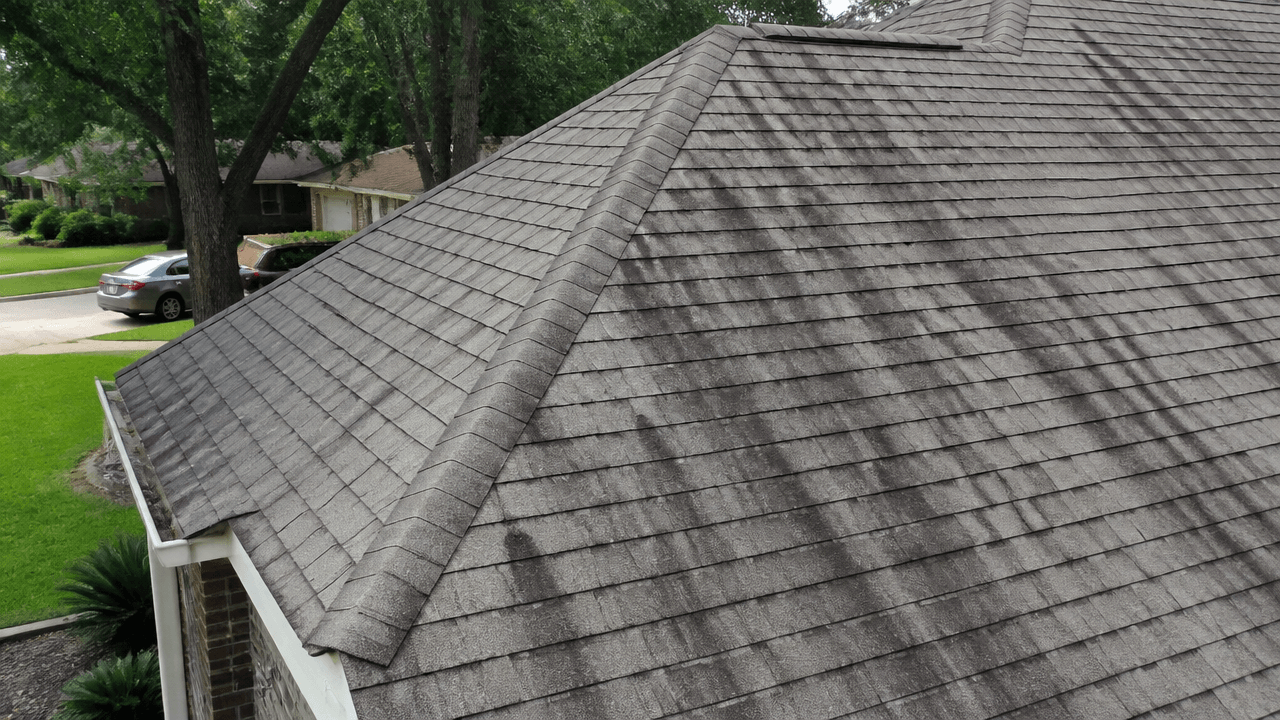
Step 6: Check for Moss and Algae Growth
Any moss or algae growth should be carefully removed, as these can hold moisture and cause shingle degradation over time.
Step 7: Schedule a Professional Inspection
For a comprehensive assessment, it’s wise to hire a professional roofing contractor to conduct an inspection and handle any complex issues.
Step 8: Regular Maintenance Scheduling
Plan for regular maintenance checks and clean-ups to ensure your roof’s longevity. Aim for at least twice a year, especially after harsh weather periods.
Avoiding Common Seasonal Roof Maintenance Mistakes
When it comes to caring for your roof, a proactive approach is best. However, even well-intentioned homeowners can unwittingly damage their roofs while attempting seasonal maintenance. Understanding these common DIY mistakes can help ensure that your efforts to extend the life of your roof don’t end up causing more harm than good.
Mistake 1: Neglecting Regular Inspections
Many homeowners wait until visible problems occur before inspecting their roof, which can lead to costly repairs. Proactively searching for wear signs, such as broken shingles or damaged flashing, can prevent minor issues from escalating.
Mistake 2: Overlooking Gutter Health
Gutters are often ignored during routine maintenance, yet they’re critical to your roof’s health. Neglecting to remove debris can lead to water overflow and damage to your roof and foundation, so regular cleaning is essential.
Mistake 3: Incorrectly Trimming Overhanging Branches
Improperly trimming branches can cause more harm than good, as it can result in damage to the roof’s surface. Ensure that you cut branches correctly and safely to prevent any accidental roof damage.
Mistake 4: Overlooking Minor Leaks
Small leaks may seem insignificant but can lead to severe issues if not addressed promptly. Regular checks in the attic for water intrusion can catch these leaks early before they wreak havoc on your home’s interior.
Mistake 5: Disregarding Ventilation and Insulation
Proper attic ventilation and insulation directly affect your roof’s longevity. Failing to maintain these can lead to a buildup of heat and moisture, ultimately damaging your roof structure and materials.
Mistake 6: Harsh Moss and Algae Removal Techniques
Scrubbing too vigorously or using harsh chemicals to remove moss and algae can damage the roofing material. Employ gentle methods and appropriate solutions designed for roof care to tackle these growths.
Mistake 7: Skipping Professional Evaluations
While DIY maintenance is crucial, so is professional expertise. Periodic inspections from certified roofing contractors can identify subtler problems that homeowners may miss.
Mistake 8: Infrequent Maintenance Scheduling
Roof maintenance isn’t a one-time task; it requires scheduling regular check-ups to ensure everything is in top shape. Set a maintenance calendar to perform inspections and cleaning, especially after extreme weather events.
Addressing Moss and Algae: A Clean Roof is a Healthy Roof
Moss and algae are not just unsightly on your roof; they can create long-term damage if left unchecked. These growths trap moisture against the roof surface, which can degrade shingles over time and lead to leaks. Regularly inspect your roof for these growths and gently remove them to protect the integrity of your roofing materials.
Professional Inspections: An Essential Component of Roof Care
While many aspects of roof maintenance can be handled by a diligent homeowner, some tasks require the keen eye of a professional. Seasonal changes bring new challenges to maintaining a solid roof, especially in a climate as variable as Austin’s. To ensure a thorough inspection and quality maintenance, consider enlisting the help of our experienced general contracting professionals.