• Understand the critical role of spring inspections for maintaining roof health and avoiding costly repairs.
• Discover actionable steps for inspecting your roof and identifying potential issues early.
• Learn why professional roof evaluations are the most reliable option for ensuring long-term protection and safety.
Recognizing Key Problematic Signs on Your Roof
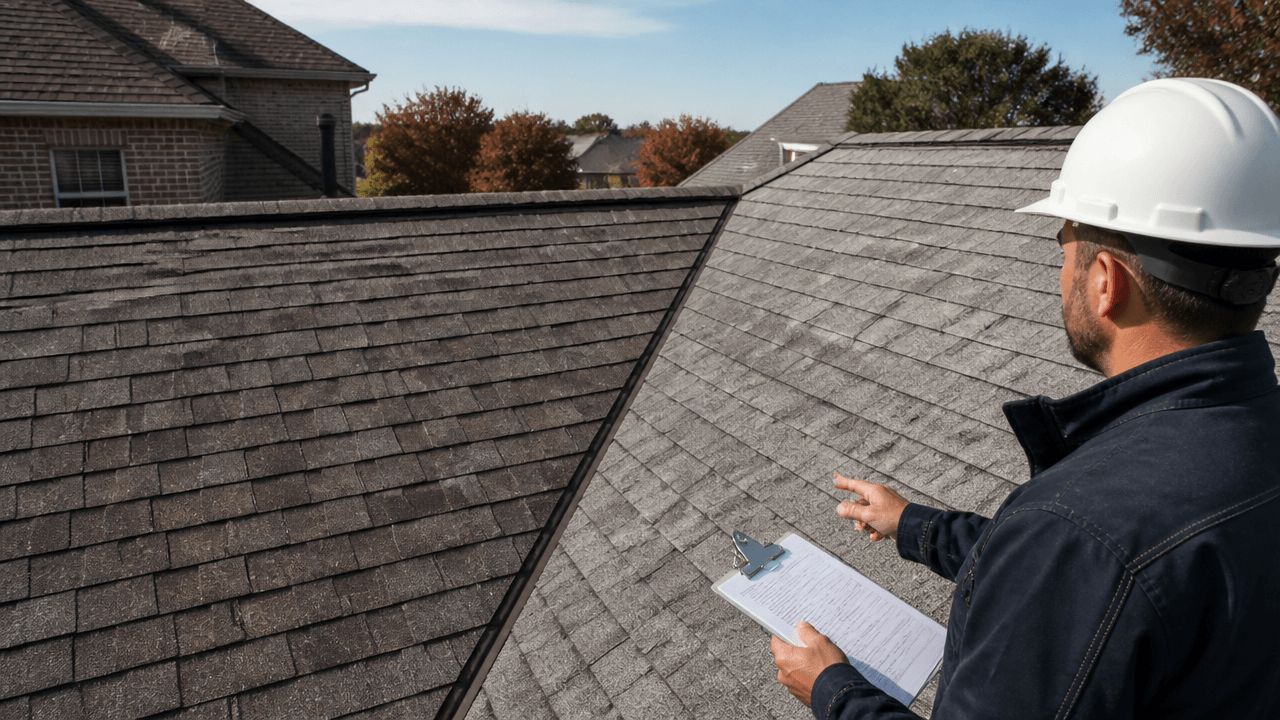
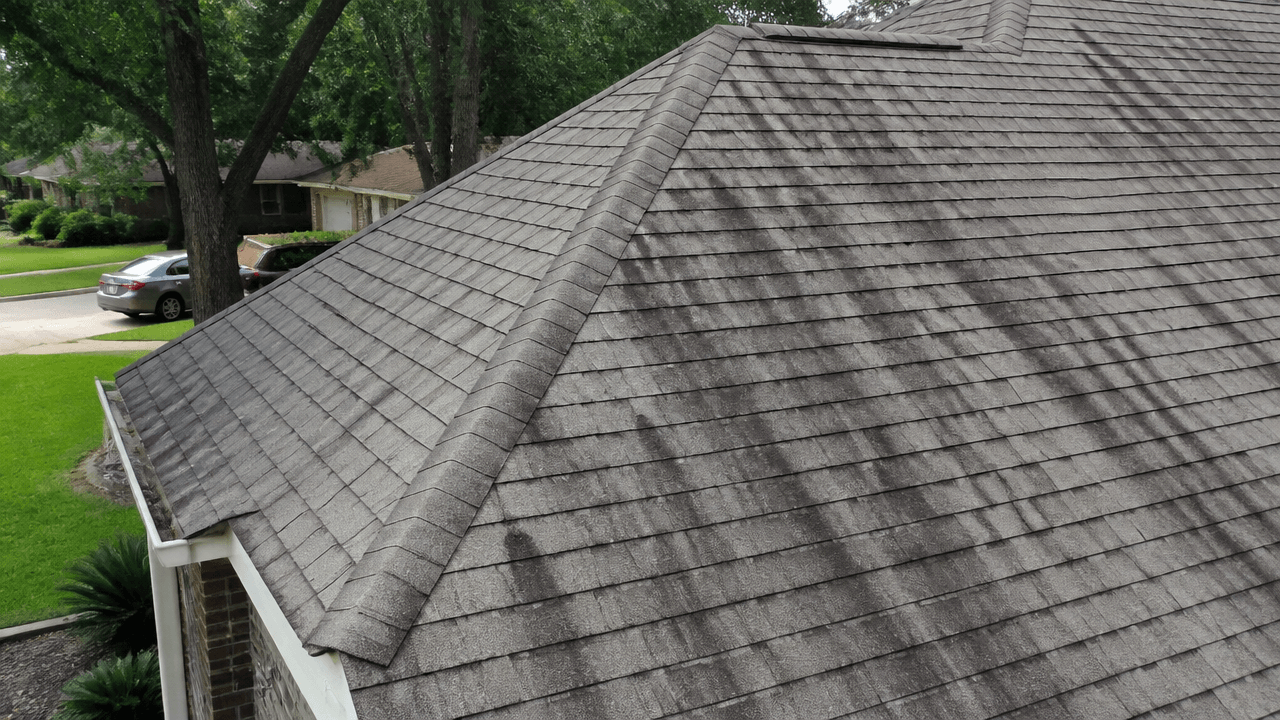
As the chill of winter fades and the gentle warmth of spring approaches in Houston, your roof may have a story to tell. Post-winter inspections are crucial, and being mindful of problematic signs is the first step in ensuring your roof’s longevity. Deteriorating shingles, for instance, might seem a minor issue but could signify deeper, underlying damage. It’s the silent alarm for homeowners to seek professional help and get ahead of the issue before it escalates.
Another telltale indicator is the condition of your roof’s debris buildup. Leaves and branches gathered during colder months can trap moisture and encourage rot, which could compromise the structural integrity of your roof. When excessive debris is coupled with blocked gutters, it becomes a recipe for water damage, both seen and unseen. Left unattended, these minor nuisances pave the way for larger costs and repairs in the future.
Lastly, don’t neglect the signs of wear in your roof’s appearance. Missing or cracked shingles and visible gaps in the flashing aren’t just cosmetic faults; they expose your home to the elements. Visual inspections from the ground can only reveal so much, so it’s essential to have a professional assess the integrity of your roof up close. Taking heed of these signs before embarking on a spring roof inspection prepares you for a proactive maintenance approach.
Preparing For Inspection: A Preemptive Approach
With Houston’s springtime sun uncovering the winter’s toll, preparing your roof for inspection is a proactive step towards safeguarding your home. It’s about more than just eyeballing the surface; it involves a comprehensive plan to address potential issues before they worsen. Begin by documenting any concerns you’ve noticed throughout the winter—water stains on ceilings may indicate a persistent leak, while drafts could suggest insulation problems. This record will be invaluable to the professionals conducting the inspection and can streamline the process of securing your roof’s integrity.
Contrary to common practice, thorough roof inspections extend far beyond visual checks. Imperial Roofing offers a deeper dive into your roof’s condition, examining not just the shingles but also the gutters, flashings, and attic ventilation—all critical components that contribute to a roof’s resilience. Keeping these elements in check ensures that your roof performs optimally, reducing the risk of unexpected repairs. Adherence to this level of detail can extend the lifespan of your roof and provide peace of mind as seasons change.
Clearing the Way: The Importance of Gutter Health
In the transition from winter to spring, your gutters play a pivotal role in roof maintenance. Ensuring they are free of debris and functioning correctly is essential; this allows water to flow away from the roof, preventing leaks and the potential for water damage. It’s surprising how quickly a clogged gutter can lead to costly repairs, making gutter maintenance a priority. Regular checks and cleanings, especially during seasonal shifts, are fundamental to sustaining a healthy roofing system.
Maintaining strong gutter health goes hand in hand with mitigating possible roof damage from Houston’s variable climate. A gutter clogged with leaves and branches doesn’t just hinder water drainage; it also adds undue weight and strain. This stress can pull the gutters away from the fascia, creating gaps for pests to enter or causing water to overflow, potentially damaging the siding or foundation. Therefore, it’s essential to keep your gutters clear and well-maintained to protect the entire roofing ecosystem.
Step 1: Schedule Your Inspection
Begin by scheduling a roof inspection with a reputable roofing company in Houston. Aim for early spring to identify any issues from winter wear before they become major problems.
Step 2: Clear Debris
Remove any debris such as leaves, branches, or trash that may have accumulated on your roof over the fall and winter months, as this can trap moisture and lead to rot or damage.
Step 3: Check for Visible Damage
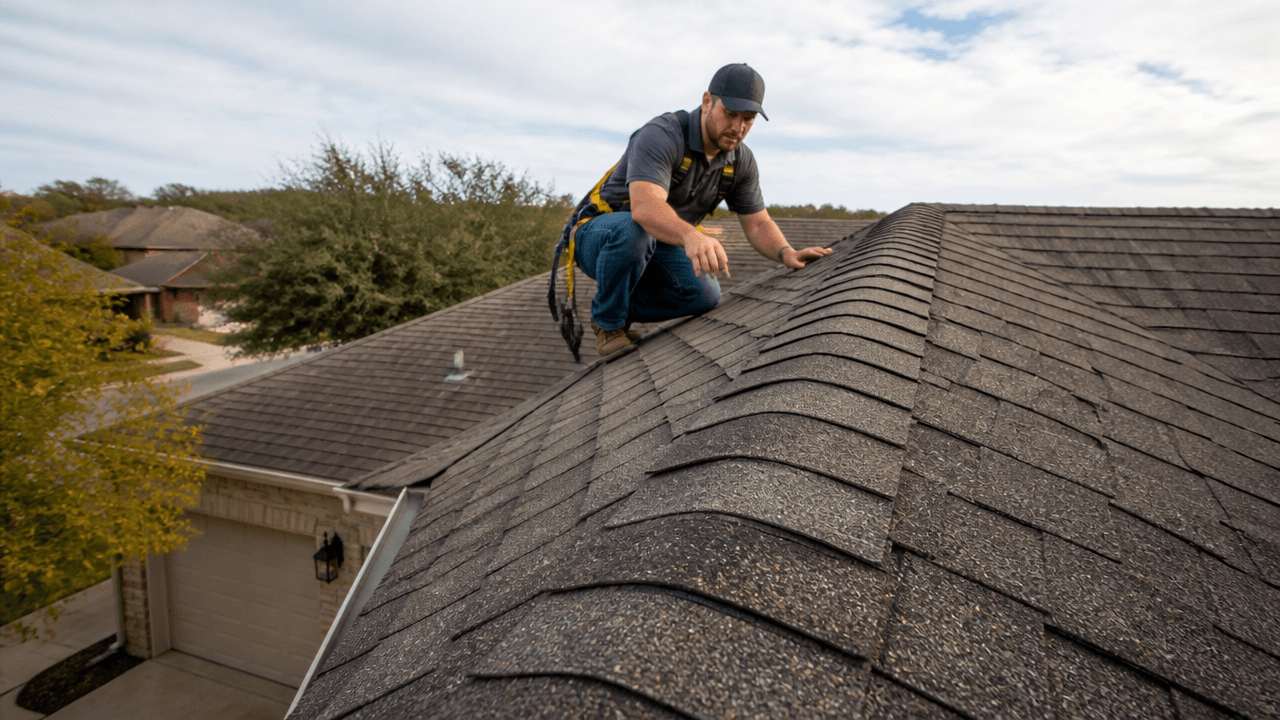
Examine your roof for visible signs of damage such as missing, cracked, or curling shingles. Ensure you follow safety protocols or have a professional conduct this inspection.
Step 4: Inspect the Gutters
Ensure your gutters are clean and securely attached. Check for granules from shingles as this could indicate wear. Clear gutters help prevent water damage to the roof and foundation.
Step 5: Look for Leaks
From inside your home, check your attic for any signs of water intrusion. Stains on the ceiling or walls can indicate a leak that needs to be addressed immediately.
Step 6: Examine the Flashing
Inspect the metal strips (flashing) around chimneys, vents, and where the roof meets a wall. These are common areas for leaks, particularly if the sealant is cracked or missing.
Step 7: Review Ventilation
Good ventilation helps manage the temperature and moisture levels in your attic, which can affect your roof’s lifespan. Make sure vents are not blocked and that they are functioning properly.
Step 8: Document & Plan Repairs
Keep a record of all findings and plan for repairs. Quick fixes to small issues can prevent costly repairs in the future. Consult a professional if significant issues are found.
Avoiding Common DIY Roof Inspection Mistakes
While it’s commendable to take a hands-on approach to home maintenance, certain tasks, such as roof inspections, can be fraught with potential missteps. Homeowners often underestimate the complexity of a proper roof assessment, leading to oversights that could have significant repercussions. Recognizing and avoiding these common errors can save time, money, and ensure the health of your roof for years to come.
- Mistake 1: Neglecting Safety Measures
Skipping safety protocols can lead to accidents. Always use a secure ladder, wear appropriate footwear, and consider using a safety harness. It’s best to leave any high or steep roof work to the professionals. - Mistake 2: Improper Debris Removal
Simply sweeping debris off the roof can cause shingles to dislodge or damage. Gently remove debris using a roof rake or blower, and be cautious not to apply excessive pressure that could break shingles. - Mistake 3: Overlooking Minor Damage
Small cracks or missing granules might seem trivial, but they can evolve into leaks and larger issues. Pay attention to the details and don’t dismiss minor signs of wear which often signal the initial stages of roof damage. - Mistake 4: Inadequate Gutter Inspection
Ignoring the gutters or clumsily cleaning them can cause more harm. Ensure thorough gutter inspections for leaks, secure attachments, and proper drainage to protect the roof and foundation from water damage. - Mistake 5: Misidentifying Leaks
Finding a leak’s point of entry can be tricky; it’s often not directly above the water stain. To prevent misdiagnosis, track the water path or consult with a specialist from Imperial Roofing for an accurate assessment. - Mistake 6: Overlooking Flashing
Flashing issues are a leading cause of roof leaks yet are frequently missed during DIY inspections. Ensure that the flashing is intact and the sealant isn’t cracked. If you’re unsure, a professional inspection will detect any deficiencies. - Mistake 7: Ignoring Ventilation
Poor attic ventilation can drastically shorten a roof’s lifespan. Check that vents are not obstructed and that air flows smoothly. Blocked vents can lead to heat and moisture buildup undermining your roof’s structure. - Mistake 8: Failing to Plan for Repairs
Quick fixes might seem convenient, but without a long-term repair plan, they could lead to recurring issues. Document problems thoroughly and strategize repairs considering the extent and urgency of each issue.
Spotting and Managing Visible Damage
Not all signs of roof distress are covert; some are quite evident to the naked eye but often ignored. Spotting missing, cracked, or curling shingles can be a clear indication that your roof is due for repair. Addressing these issues promptly can prevent the minor wear and tear from escalating into significant damage, which can be both inconvenient and costly.
Damage to your roof can also manifest in other structural components like the chimney or vent pipes. Inspecting the metal flashings for separations or rust and ensuring the sealant is intact is crucial. These areas are common ingress points for moisture, so keeping them well-maintained is imperative for maintaining a dry and secure home.
Dealing With Water Intrusion and Leaks
The discovery of a leak is a critical sign that your roofing system requires attention. Water intrusion can lead to mold, rot, and structural damage if not taken care of swiftly. A meticulous inspection should always include a thorough interior check for water stains or musty odors that indicate moisture issues.
Working with experienced professionals like those at Imperial Roofing can ensure that leaks are not only found but also correctly resolved. Strong emphasis should be placed on the integrity of the roofing material and the quality of the repairs. A proactive approach to managing leaks safeguards your property’s overall health and longevity.