• Step-by-Step Guide: Navigate the complexities of storm damage claims effortlessly with our comprehensive walkthrough.
• Expert Insights: Gain from professionals who understand the insurance landscape and can help you maximize your claim benefits.
• Professional Assistance: Discover why engaging with a specialist is your best strategy for a successful storm damage insurance claim.
Recognizing the Signs of Storm Damage
When a storm sweeps through Austin, it leaves behind more than just puddles; it can wreak havoc on your home. Trees bent at precarious angles and debris scattered across your lawn are immediate indicators, but not all signs of storm damage are so overt. It’s crucial to do a comprehensive inspection of your property, looking for subtle hints like displaced roof tiles or granules that signal shingle damage. Remember, these early signs, if ignored, can lead to significant issues, adding to the stress of navigating how a storm damage insurance claim works.
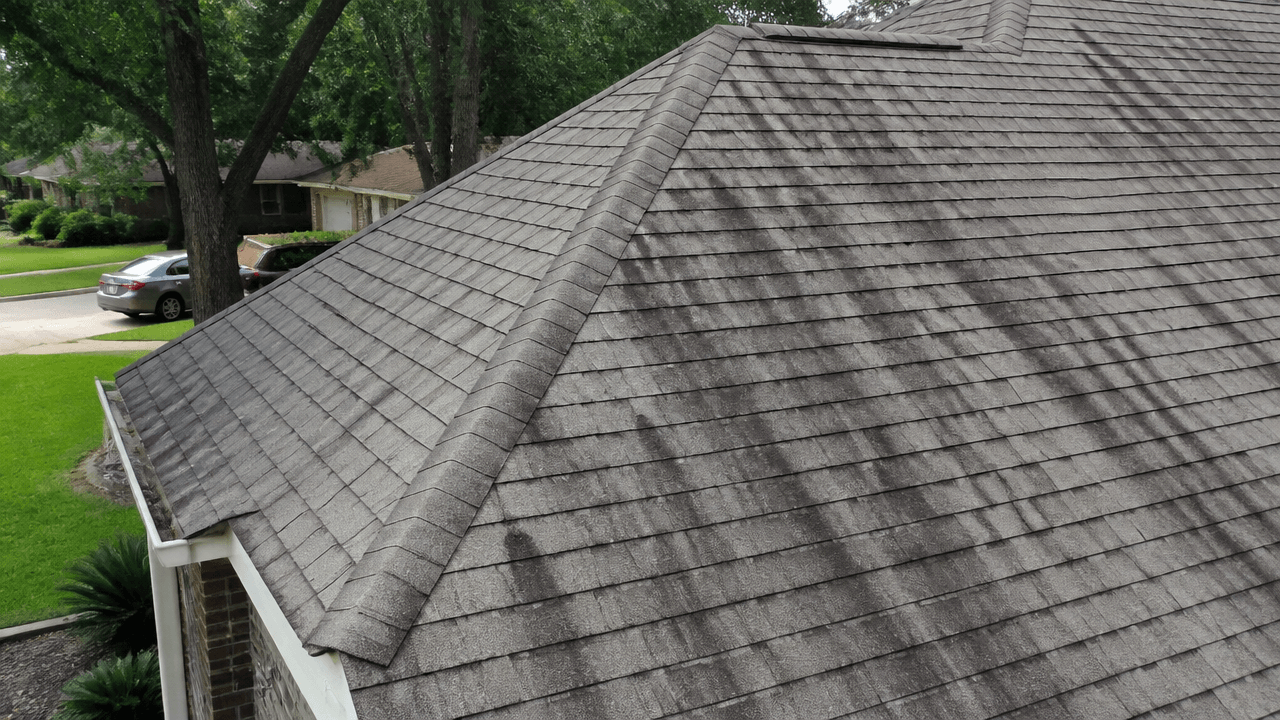
After the storm calms, taking a closer look around your home’s exterior should be your next move. Check for loose or missing shingles which are a direct result of wind uplift and can lead to roof leaks. Inspect your gutters and downspouts for clogs or damages – these are critical in preventing water pooling around your home’s foundation. Obvious signs, such as broken windows and dents on siding or air conditioning units, are straightforward markers that you’ll need to raise with your insurer.
Moving inside, examining your attic and ceilings is essential for spotting leaks that could indicate roof damage. Paint bubbles, peeling wallpaper, and dampness on walls or ceilings are red flags that the storm might have compromised your home’s integrity. Remember, it’s not just about obvious water intrusions—musty odors and mold growth are subtle indicators of moisture issues. Documenting these problems thoroughly can make a significant difference when you’re detailing the damage for your insurance claim.
The Essentials of Insurance Policy Review
Understanding your insurance policy’s specifics is as critical as the damage assessment. When you delve into your policy, you’re looking for coverage details that pertain to storm damage—this usually includes wind, hail, and the accompanying destruction. But it’s not just what’s covered; it’s also about the deductibles and exclusions that can affect your claim’s success and cost. An overlooked clause could mean the difference between a fully-covered repair and an out-of-pocket expense.
Your policy is your roadmap to recovery after storm damage, and clarity is your best ally. You want to avoid surprises during the claims process by being well-informed of timelines and documentation requirements. Imperial Roofing stands by homeowners with professional advice on how to navigate these policies, ensuring your property’s protection aligns with your expectations. Holding a clear understanding of your policy will streamline the process when you’re ready to file your claim.
Initial Steps in Filing Your Claim
Promptness in alerting your insurer about the damage can impact the efficiency of your claim. Reach out immediately after confirming the damage, as this is not just about punctuality—it’s about adhering to the potentially strict timeframes many policies enforce. Quick action ensures your insurer can commence the assessment without delay, speeding up the claims process. It’s not just a call; it’s the trigger that sets in motion your road to restoration.
As you prepare to file your claim, documentation will be your indispensable tool. The thoroughness of your initial property assessment now comes full circle, providing a bedrock for precise and detailed claims. From photos to videos down to the minute written details, every piece of evidence bolsters the validity of your claim. This crucial preparation could determine the smooth sailing—or choppy waters—of your storm damage insurance journey.
Step 1: Assess the Storm Damage to Your Property
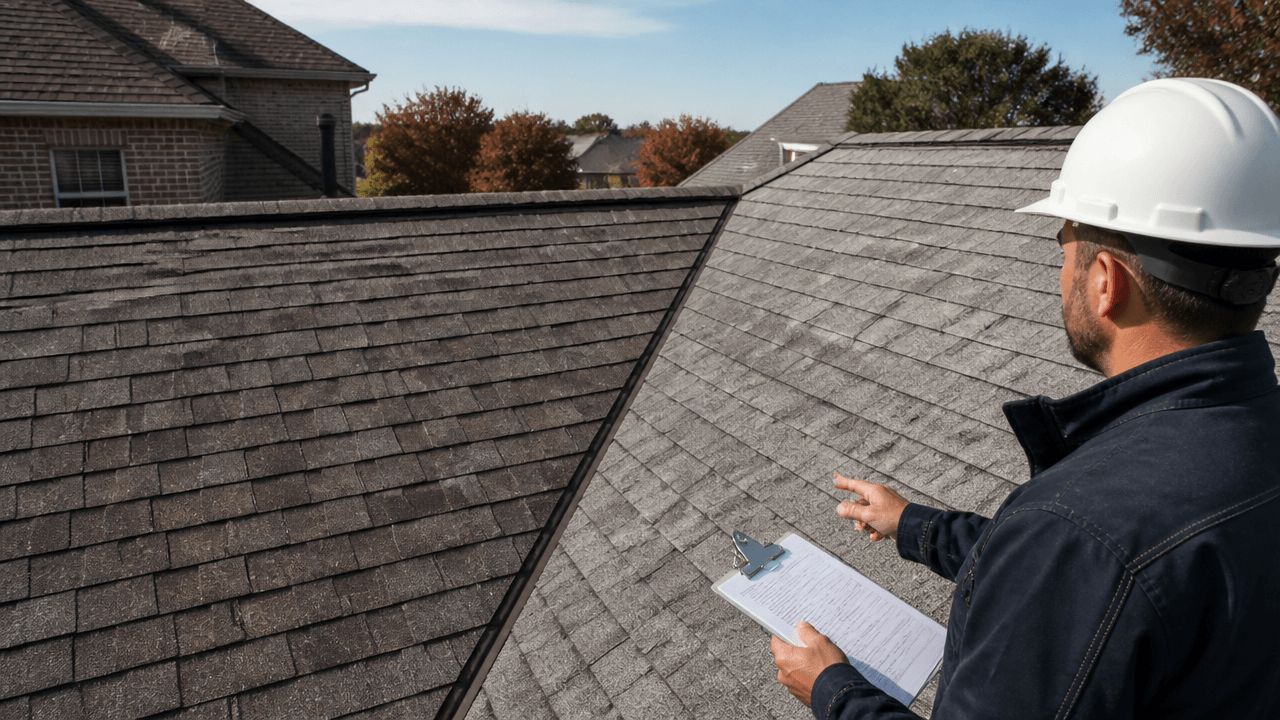
Begin by thoroughly inspecting your property for any signs of storm damage. Look for missing shingles, damaged gutters, or broken windows. Document all the damage with clear photographs and notes to support your insurance claim.
Step 2: Review Your Insurance Policy
Before filing a claim, understand what your insurance policy covers. Review the details about storm damage and any specific deductibles or clauses relevant to such events. This will help set the right expectations when you undergo the claims process.
Step 3: Contact Your Insurance Company Promptly
Reach out to your insurance provider as soon as possible to notify them of the damage. Early contact can expedite the claims process and ensure you adhere to any time restrictions for filing.
Step 4: Prepare Detailed Documentation
Gather all your evidence of damage, including photos, videos, and a written account of the damage and its impact on your property. Include date and time stamps to verify the occurrence of the storm.
Step 5: Fill Out the Claim Forms
Your insurance company will provide claim forms that you need to fill out carefully. Ensure all information provided is accurate and detailed, referencing your documentation to support every listed item of damage.
Step 6: Arrange for an Insurance Adjuster’s Visit
Your insurer will send an adjuster to assess the property damage. Prepare for their visit by having your documentation ready to show the extent of the damage, which will be crucial for their evaluation.
Step 7: Obtain Repair Estimates from Contractors
While your insurance adjuster will estimate the damage, it’s beneficial to get quotes from local contractors who specialize in storm damage repairs. Having multiple estimates can provide a realistic overview of the costs involved for your insurer.
Step 8: Keep a Record of All Communications
Throughout the claims process, maintain detailed records of all interactions with your insurance company. Include dates, times, spoken to, and the summary of conversations. This can be vital if any disputes arise during the claims process.
Navigating Common DIY Assessment Mistakes
Before diving hands-first into assessing storm damage for your insurance claim, it’s crucial to pause and plan. Many homeowners rush to document the damage themselves, only to fall prey to common blunders that can jeopardize their claims. By recognizing these frequent mistakes, you can approach your storm damage assessment with a strategic mindset, setting a foundation for a smoother insurance claim process.
Mistake #1: Not Documenting All Damage
Homeowners often record only the most visible storm damage, overlooking subtler issues that can lead to costly problems down the line. To prevent this, conduct a systematic review of your property, leaving no stone unturned.
Mistake #2: Delayed Documentation
Time is of the essence after a storm, yet some may delay documentation due to the overwhelming nature of the damage. Start the process immediately to ensure detailed records while memory is fresh.
Mistake #3: Inadequate Documentation Detail
Snapshots from a distance won’t suffice; close-up photos and detailed notes are essential to show the true extent of the damage. Supplement wide-angle shots with close-ups and descriptions to provide context.
Mistake #4: Overlooking Policy Details
Ignoring the nuances of your insurance policy can lead to denied claims. Ensure you understand the coverage spectrum and specific deductibles related to storm incidents before you proceed.
Documenting Storm Damage Thoroughly
After the storm, it’s time to document every detail. Clear, chronological photos and videos are indispensable for illustrating the extent of the damage. This evidence, alongside a date-stamped written narrative, will provide your insurer with a compelling depiction of the impact.
Preparing for the Adjuster’s Assessment
An insurance adjuster’s visit can be a turning point in your claim process. Ensuring your documentation is organized and accessible will facilitate an efficient and fair assessment of the damage. This preparation underscores the seriousness of your claim and aids in achieving a favorable outcome.