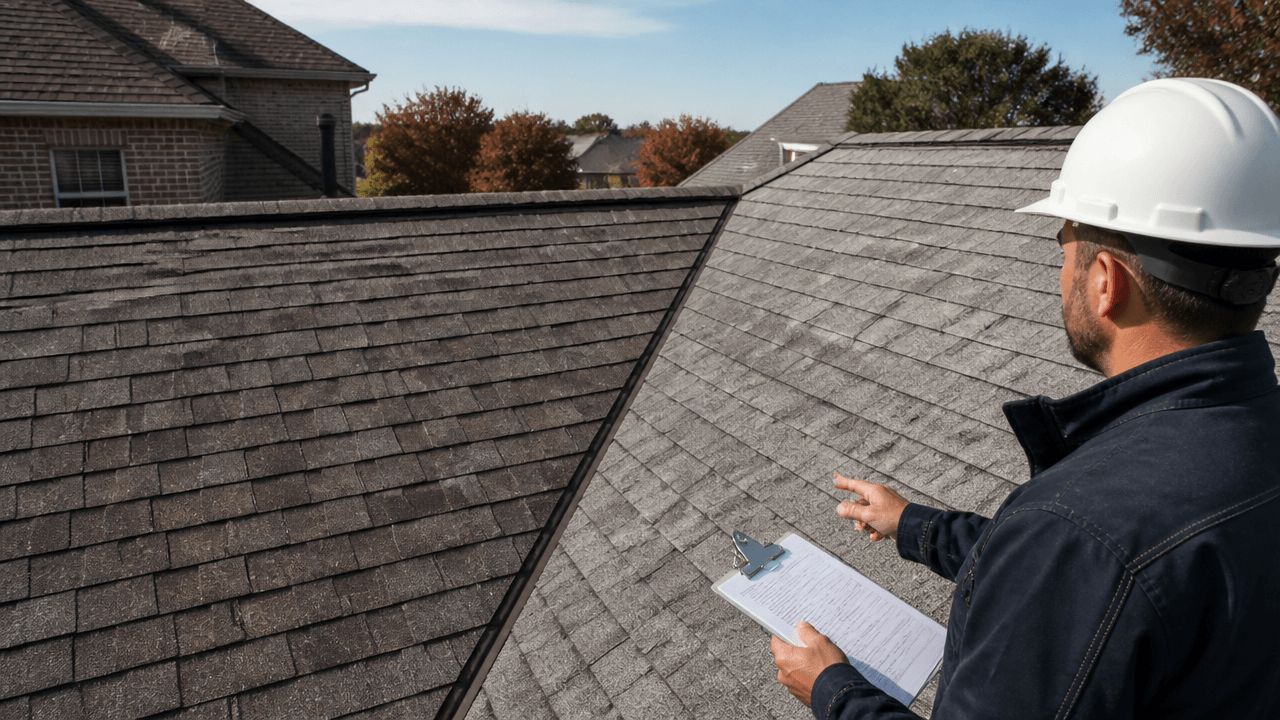
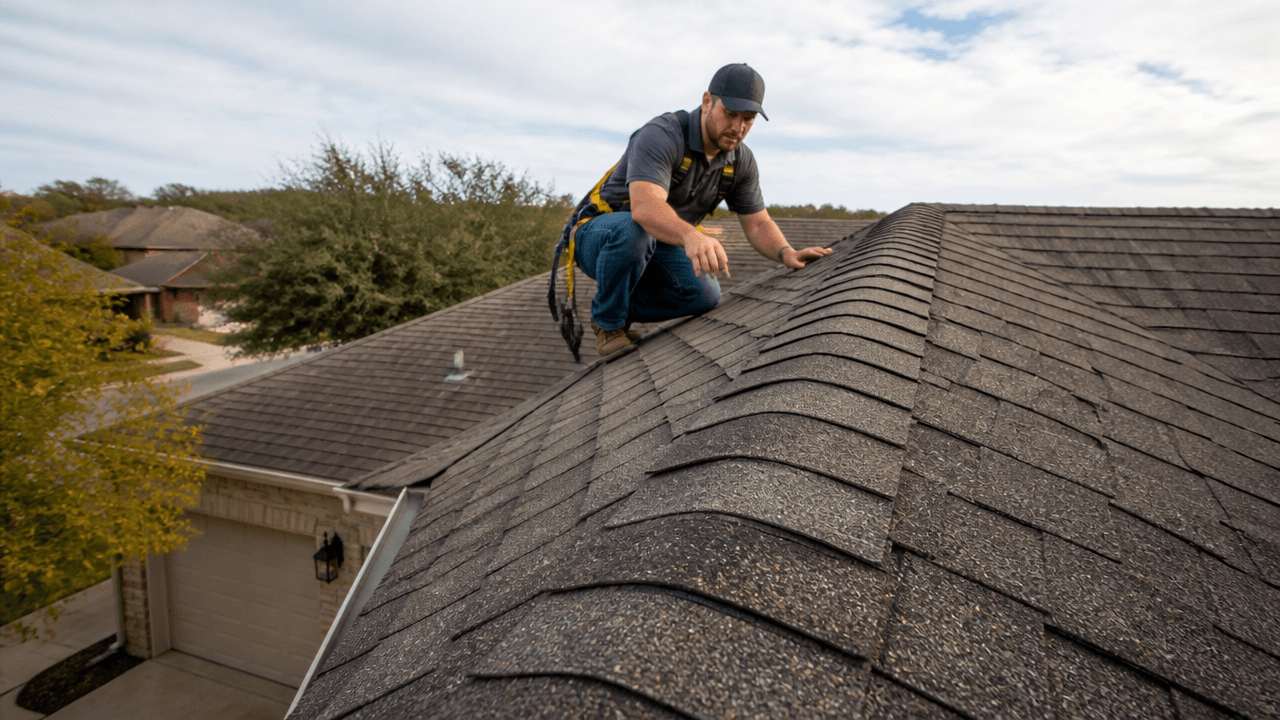
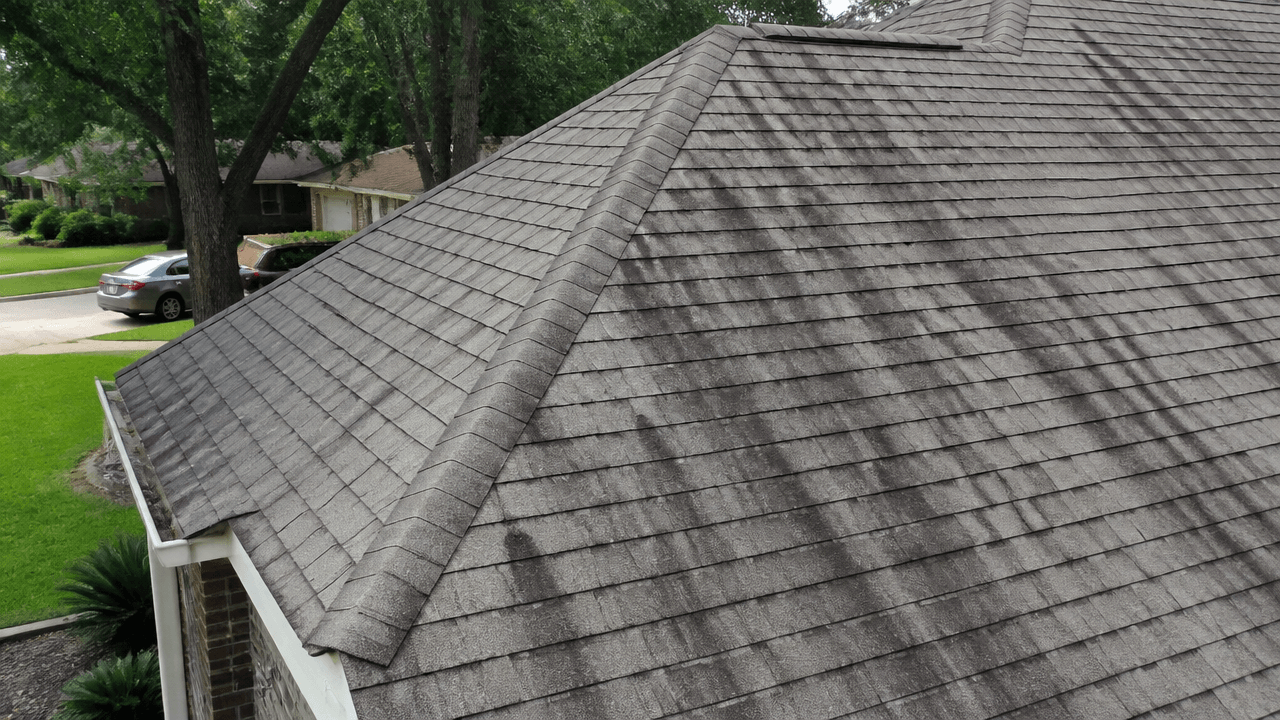
• The storm damage restoration process starts with safety, a quick visual check, and photo documentation of any roof issues. A clear plan helps Fort Worth homeowners act fast and avoid bigger repair problems.
• A good checklist includes checking shingles, gutters, flashing, leaks, and insurance details before scheduling a roof inspection. Following each step makes the recovery process more organized and less stressful.
• Expert advice matters when storm damage is hard to see from the ground or when repairs may affect your claim. Working with a trusted local roofer can help you move from damage to repair with confidence.
Goal of the Storm Damage Restoration Process
The goal of storm damage restoration process explained is to help homeowners understand what to do first after a storm hits. A clear plan makes it easier to protect the home, reduce stress, and avoid costly delays.
This process also helps you spot damage early so you can act before small issues turn into bigger repairs. If you need help getting started, Imperial Roofing can guide you through each step with care.
Another key goal is to move from damage to recovery in a steady way. That means checking the roof, documenting problems, and taking the right next step for your home.

Storm Damage Recovery Checklist
Use this checklist to stay organized after a storm and take the right steps in order. A steady approach can help you protect your home and move through recovery with less stress.
- ✅ Check for visible roof damage from the ground
- ✅ Look for missing shingles, dents, or lifted edges
- ✅ Inspect gutters, vents, and flashing for signs of impact
- ✅ Take clear photos of any damage you find
- ✅ Protect the home from leaks if water is getting inside
- ✅ Review your insurance policy and start your claim notes
- ✅ Schedule a roof inspection with a trusted contractor
- ✅ Keep records of repairs, estimates, and all communication
Following these steps can make the storm damage restoration process explained much easier to manage. It also helps you avoid delays and gives you a clearer path toward repairs.
When you stay organized, you are better prepared to respond quickly and make smart choices. That can save time, reduce confusion, and help protect your home from further damage.
Additional Advice
After a storm, it is smart to stay calm and focus on safety first. Avoid climbing on the roof yourself, since hidden damage and slippery surfaces can make the job risky.
One common mistake is waiting too long to get help, especially when small damage can turn into a bigger leak. Acting early gives you a better chance to keep repair costs under control and protect the structure of the home.
If you are filing a claim, keep every photo, note, and receipt in one place. That simple habit can make the storm damage restoration process explained easier to follow and help support your case if questions come up later.
It also helps to work with a local roofer who understands storm patterns in Fort Worth and knows what signs to look for after hail and high winds. If your home needs expert care, residential roofing help can give you a clear next step.
Frequently Asked Questions
What should I do first after storm damage?
First, make sure everyone is safe and check for immediate risks like active leaks or fallen debris. Then document the damage with photos and contact a roofing professional for an inspection.
How do I know if my roof has storm damage?
You can often spot storm damage by looking for missing shingles, dents, lifted edges, or granules in gutters. A professional roof inspection is the best way to confirm damage that is not easy to see from the ground.
Should I call my insurance company before a roofer?
Yes, in many cases you should contact both as soon as possible. A roofing contractor can document the damage, and your insurance company can tell you what your policy may cover.
Is the storm damage restoration process explained the same for hail and wind?
Yes, the general process is similar, but the damage signs can be different. Hail often leaves dents and surface impact, while wind damage usually causes lifted or missing shingles.
How long does storm damage repair usually take?
That depends on how much damage the roof has and how quickly materials are available. In many cases, the first step is a fast inspection so repairs can begin as soon as the damage is confirmed.
Final Thoughts on Storm Damage Recovery
Storm damage can feel overwhelming, but a clear plan makes the next steps easier to handle. When you know what to look for and when to call for help, you can protect your home and avoid extra stress.
The storm damage restoration process explained gives homeowners a practical way to move from damage to repair with confidence. For more local updates and helpful roof tips, follow Imperial Roofing on social media.