• Discover signs that suggest your roof needs inspection
• Learn how advanced technology can improve roofing inspections
• Understand the benefits and how to act on the insights from a high-tech roof inspection
Recognizing the Warning Signs
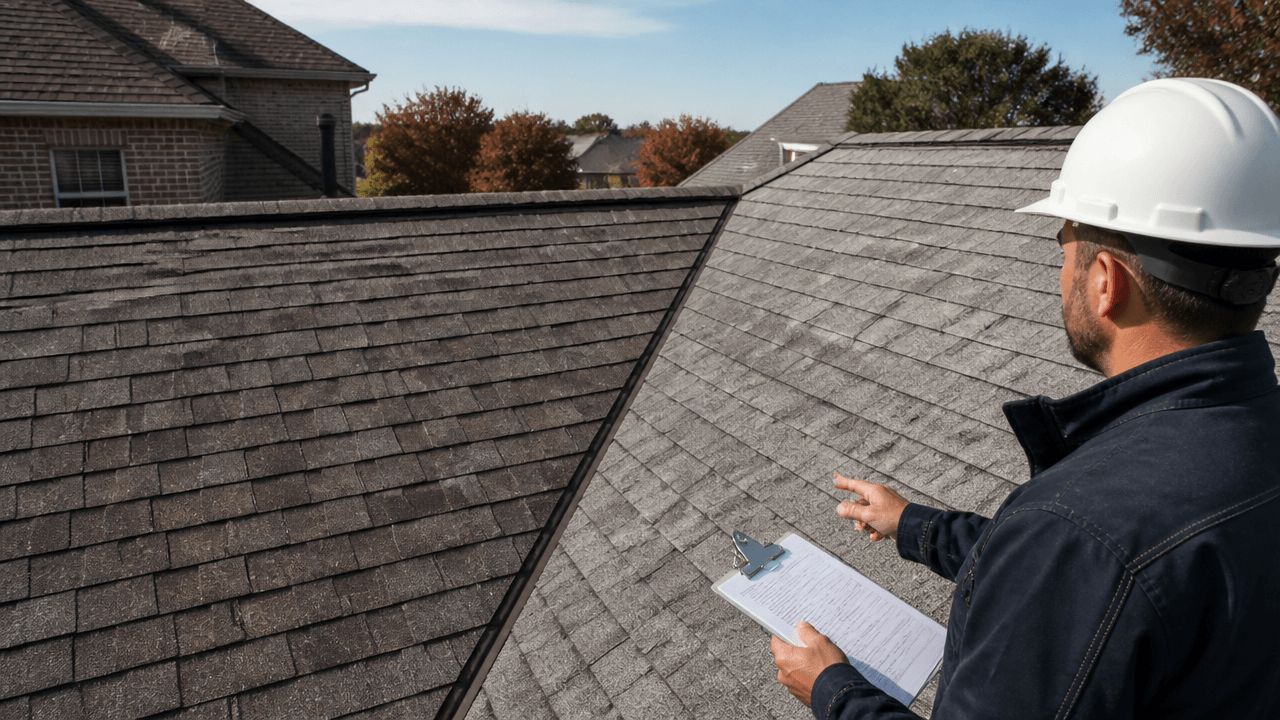
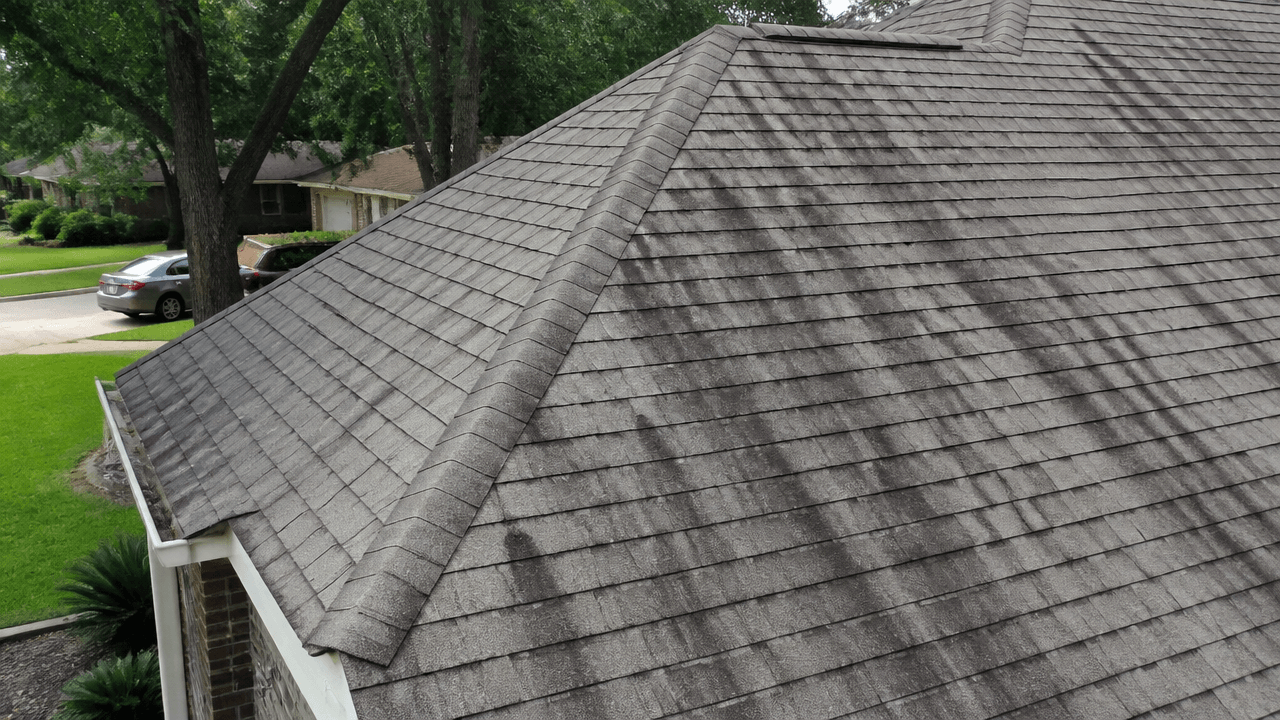
A healthy roof is vital for protecting your home, and early detection of roof issues can save you from hefty repair bills. Common red flags that indicate your roof may require attention include missing or damaged shingles, which can lead to leaks and water damage inside your home. Another sign to be wary of is granules from asphalt shingles accumulating in gutters, as this signifies wear that could compromise the roof’s integrity. Finally, be alert for sagging areas or signs of water pooling, as these can be symptoms of structural concerns.
The Importance of Prompt Action
Ignoring these warning signs can result in more severe and costly damage down the line. It is crucial to take immediate action upon noticing any worrisome indicators on your roof’s surface. Contacting a professional for an inspection can preclude the risks associated with delayed maintenance. Timely intervention can also ensure that technology advancements in roof inspections are utilized most effectively to diagnose and address potential issues.
Preparing for a Professional Assessment
Before scheduling a roof inspection, it’s beneficial to have an understanding of your roof’s current condition. Perform a basic visual check from the ground to identify any visible concerns that you can report to your inspector. This preliminary step does not replace the need for a professional evaluation but can help you communicate specific areas of concern to the inspection team. Remember, a trained eye equipped with cutting-edge technology can uncover issues that may not be immediately apparent to the untrained observer.
Embracing Modern Inspection Methods
When it comes to roof maintenance, staying ahead with current technological trends is key to safeguarding your property. Utilizing the most recent advancements in roof inspections can provide a more in-depth analysis of your roofing system’s health. These modern solutions enable specialists to detect issues with greater precision, reaching areas that were previously challenging to inspect without extensive scaffolding or risk to safety. By adopting these innovative practices, homeowners are better equipped to understand the exact condition of their roofs and make informed decisions on necessary repairs or replacements.
The Significance of High-Tech Inspections
Drone-assisted inspections, one of the revolutionary methods in roofing technology, offer a bird’s eye view, capturing detailed images of areas that are difficult to access. This high-flying approach not only increases the safety of the inspection process by reducing the need for direct contact with the roof but also significantly cuts down the time spent on the inspection. With the help of specialized software, the data gathered can be meticulously analyzed, ensuring nothing goes unnoticed. The result is a comprehensive and actionable report that homeowners can trust, laying the groundwork for any necessary intervention with precision and confidence.
Step 1: Understanding the Basics of Roof Inspections
Learn about traditional roof inspection methods and the importance of regular maintenance. Familiarize yourself with common roofing materials and typical signs of wear and tear.
Step 2: Exploring Advanced Technology Options
Research the latest technology advancements in roof inspections, including drone usage, infrared technology, and advanced software. Investigate how they offer more thorough and safer inspections.
Step 3: Comparing Drones to Traditional Inspection Methods
Evaluate how drones can quickly and safely assess hard-to-reach areas of your roof. Compare the detailed imagery from drones to the results from traditional manual inspection techniques.
Step 4: Investigating Infrared Moisture Detection
Discover how infrared technology can reveal hidden issues such as moisture and water damage that may not be visible to the naked eye.
Step 5: Selecting Roof Inspection Software
Identify software options that can analyze data from advanced inspections, provide detailed reports, and suggest maintenance or repair actions.
Step 6: Benefits of Advanced Roof Inspections for Your Property
Analyze the long-term benefits such as preventative maintenance, cost savings, and increased longevity of your roofing system through the use of advanced inspection technologies.
Step 7: Scheduling an Advanced Roof Inspection
Learn how to schedule a professional roof inspection that incorporates these technological advancements. Consider the best time of the year, taking into account local weather patterns and roofing company availability.
Step 8: Reviewing and Acting on Inspection Results
Understand how to review the comprehensive report provided post-inspection. Learn how to prioritize repairs, maintenance suggestions, and implement preventative strategies based on the inspection findings.
Steering Clear of Common Inspection Blunders
DIY roof inspections can be a risky endeavor without proper knowledge and tools. Many homeowners fall into traps that can lead to inaccurate assessments or even damage to their roofs. Understanding these pitfalls and how to avert them is key to ensuring your DIY inspection provides useful information without causing further issues.
Mistake 1: Neglecting Safety Measures
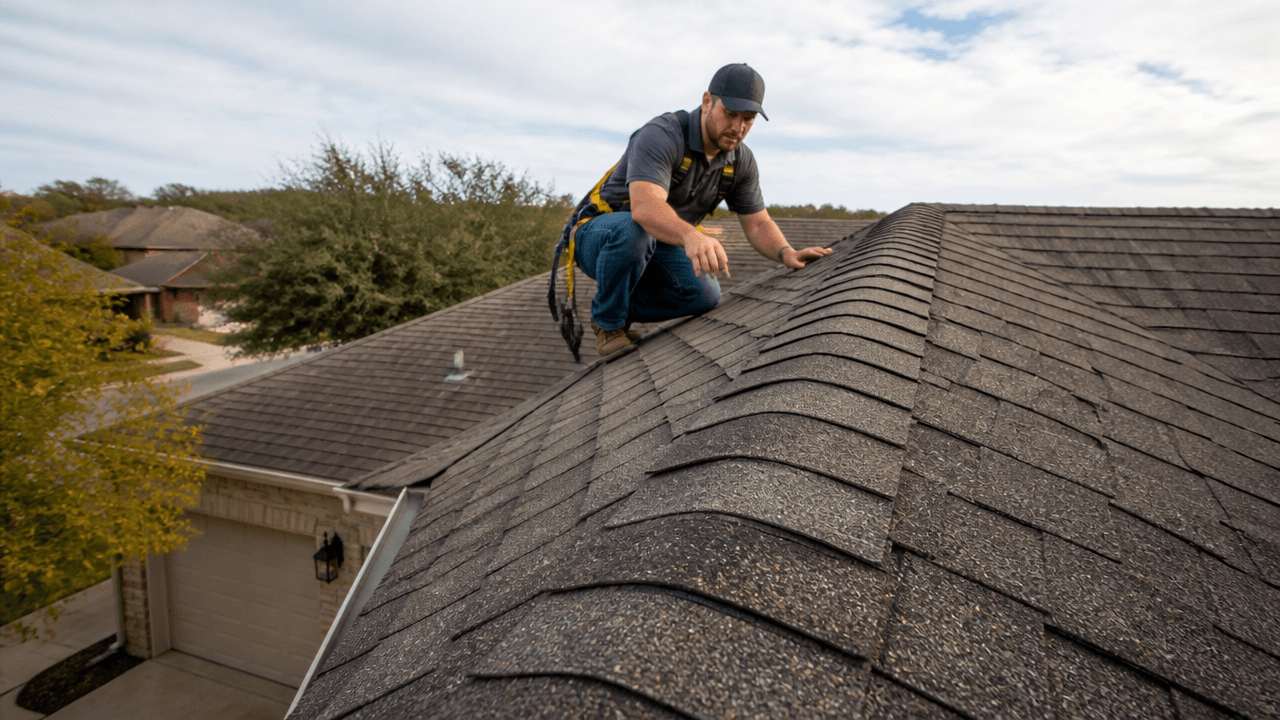
Homeowners often underestimate the dangers of roof inspections, skipping essential safety gear like harnesses or non-slip footwear. This oversight can lead to serious injuries. Always prioritize safety by using the appropriate equipment and if in doubt, leave it to professionals who are trained to navigate roofs securely.
Mistake 2: Overestimating Personal Expertise
It’s common to trust one’s own judgment over the visible signs of roof damage, dismissing the need for a professional opinion. However, not all damage is visible to the untrained eye. To avoid this mistake, educate yourself on roofing materials and their common wear patterns, or better yet, invest in advanced inspection technologies that provide a more accurate diagnosis.
Mistake 3: Improper Use of Technology
With the advent of drone technology and infrared detection, some may attempt to use these without proper understanding, leading to poor inspections. Drones require skillful piloting to capture the right angles, and infrared tools must be correctly calibrated to detect moisture or damage. Ensure you’re well-versed with these technologies or consult with a specialist who can interpret the data correctly.
Mistake 4: Ignoring Timing and Weather Conditions
Trying to inspect a roof under poor weather conditions or in the wrong season can not only be dangerous but also ineffective. Inspections should be carried out when the roof is dry and during daylight hours for the best visibility. Keep in mind the local climate, like the summer months in Southlake, TX, and plan your inspection accordingly or opt for professional services that can adapt to these conditions.
Interpreting Advanced Inspection Reports
After utilizing cutting-edge technology for a roof inspection, homeowners are presented with comprehensive digital reports. These reports detail the condition of your roof, highlighting areas that may need urgent repair or attention, and can help in formulating a maintenance schedule. To interpret these findings accurately, it’s best to consult with experienced roofing professionals who can explain the nuances and assist in developing a proactive approach for upkeep.
Acting on Inspection Insights
The insights from advanced inspection technologies are valuable for prioritizing repairs and planning renovations. By understanding the specifics of your report, you can efficiently allocate resources for immediate issues and long-term roofing health. Taking swift action on the report’s recommendations not only protects your property but also optimizes your investment in roofing technology.