• Assessing Roof Damage: Understand the signs of wear and when it’s time for repair versus a full replacement, ensuring the longevity of your Texas roof.
• Expert Consultation: Learn why professional roofing evaluations are crucial for making informed decisions about roof maintenance or overhaul.
• Roof Investment: Discover the cost benefits of repair or replacement to protect your home and save money over time.
Recognizing the Red Flags
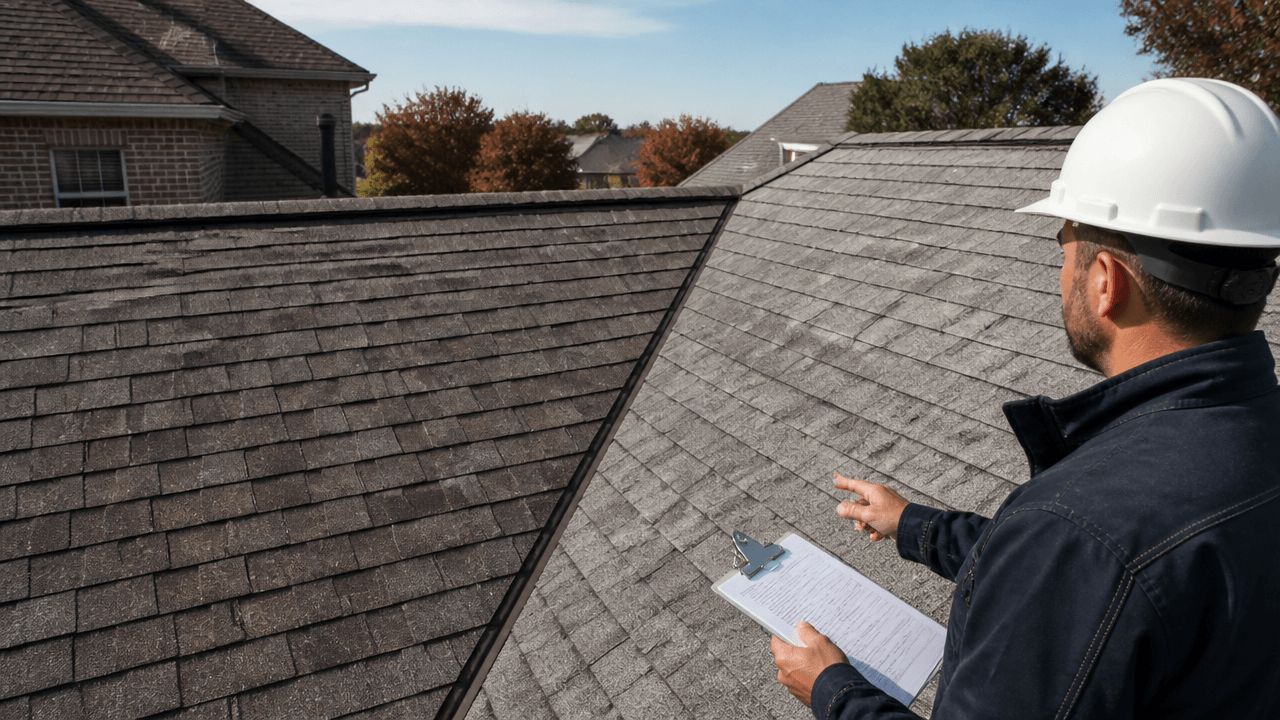
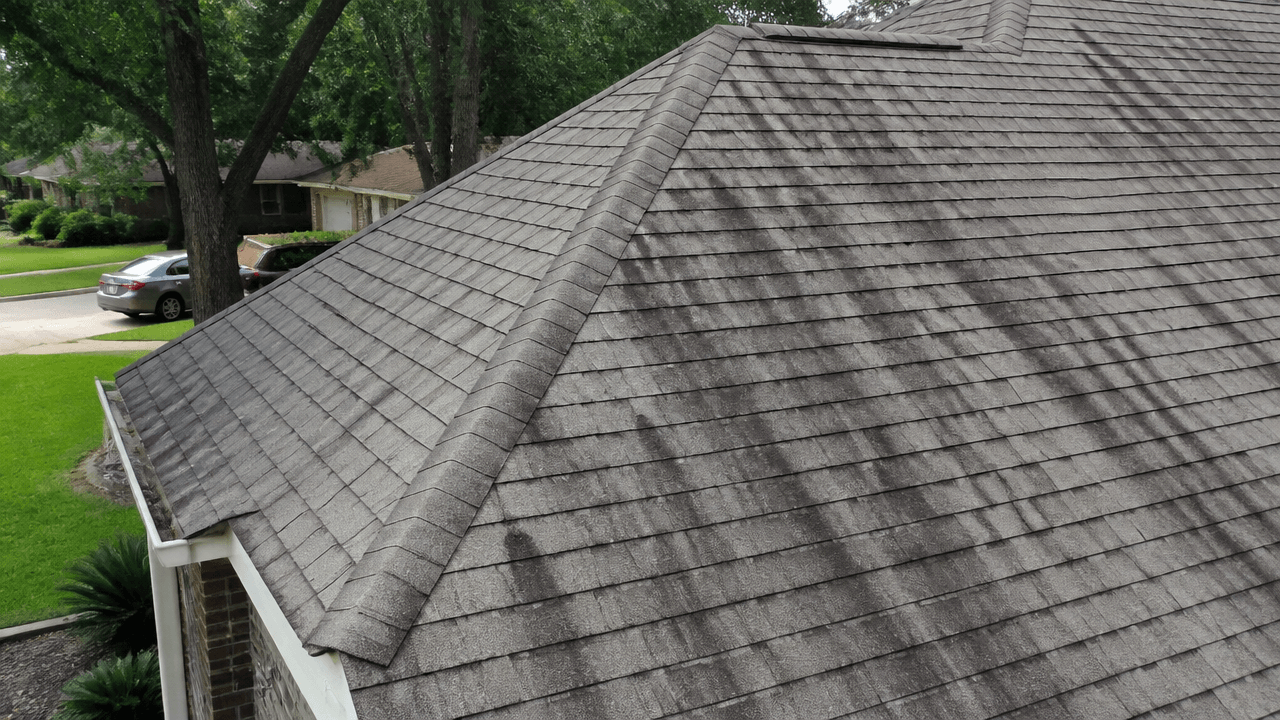
Spotting problematic signs on your roof early can save you from hefty investments in the future. Look for missing or broken shingles, which are clear indicators that your roof’s integrity might be compromised. If you discover granules from the shingles in your gutters, that’s a sign they’re deteriorating. These issues are not just cosmetic – they can lead to serious water damage inside your home if left unattended.
Gauging Your Roof’s Lifespan
The age of your roof is a significant factor when determining the need for repairs or a total replacement. Most roofs have a lifespan of 20 to 25 years; thus, if yours is approaching or has surpassed this age, it’s time for a thorough inspection. Don’t wait for a leak to appear before considering the health of your roof – that could be a sign of extensive underlying damage. In Plano, due to extreme weather conditions, roofing materials can age faster, emphasizing the need for regular checks.
Assessing Damage Severity
A few missing shingles can often be fixed with a simple repair, but if you notice large areas of damage or multiple leaks, it’s a different story. Conduct a detailed examination or hire a professional to determine the extent of the damage. Be mindful that what seems like a small problem can be indicative of more significant, hidden issues. Proactive measures will mitigate long-term consequences and potentially save on more costly repairs or replacements.
Understanding the Need for Expertise
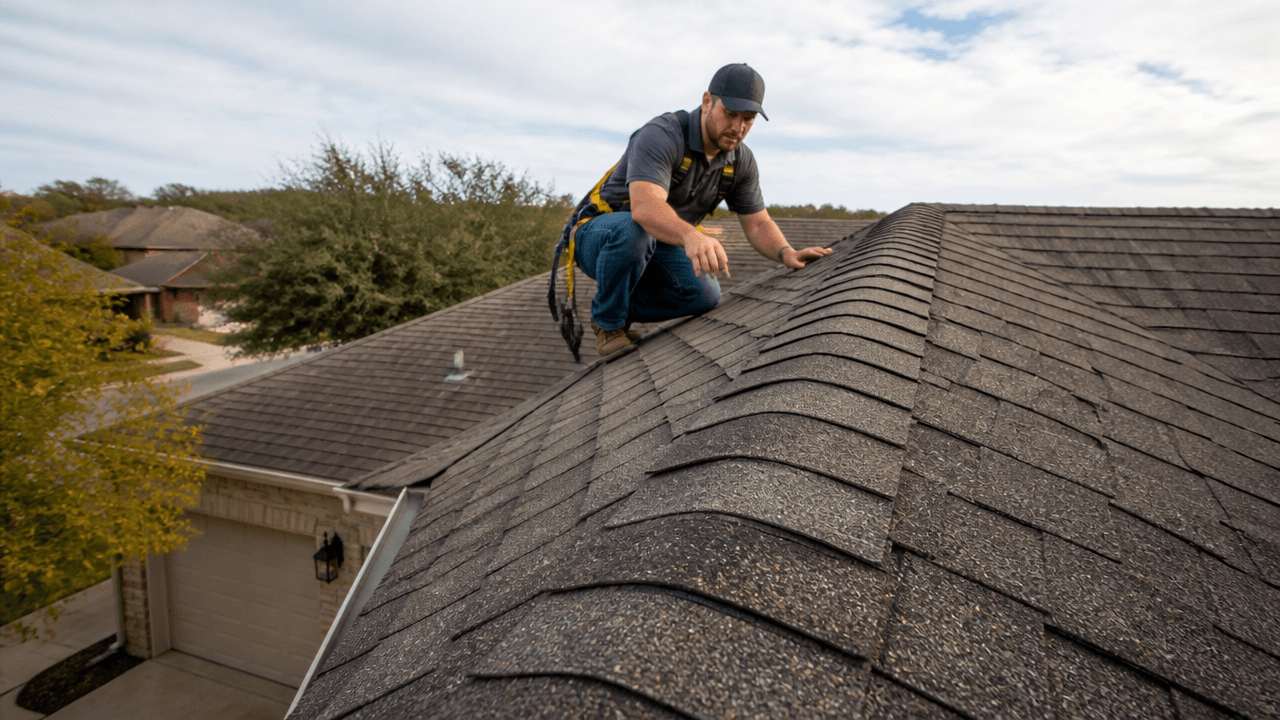
Deciding whether to repair or replace your roof is not always straightforward, and often, the insight of a seasoned professional is invaluable. Whether you require an assessment of damage or need to gauge repair costs accurately, the expertise provided by Imperial Roofing is essential. A professional evaluation can reveal the precise condition of your roof and offer guidance on the most prudent course of action. Only a detailed inspection by knowledgeable technicians can ensure that all factors – age, extent of damage, and previous repairs – are considered in your decision.
Considering Recurring Roofing Trouble
A roof that demands constant attention could be signaling it’s time for a more definitive solution. While occasional repairs are normal, frequent issues often suggest underlying problems that patchwork fixes cannot address adequately. Tracking these repairs can be an eye-opener, revealing the inefficiency of temporary solutions when compared to the benefits of a new, sturdy roof. If you find that you’re contacting your roofer more often than your friends, it may be time to explore replacement options for long-term peace of mind and economic sense.
Step 1: Identify Signs of Damage
Begin by inspecting your roof for any signs of damage such as missing shingles, leaks, or structural deformities. This step is essential in determining whether a repair will suffice or if a full replacement is necessary.
Step 2: Consider the Age of Your Roof
Factor in the age of your roof. Texas homes with roofs nearing the 20-year mark are often due for a replacement, while newer roofs may only require repairs.
Step 3: Evaluate the Extent of Damage
Assess the extent of the roof damage. Small, isolated areas may only need repairs, but extensive wear or damage often necessitates a full replacement, particularly to prevent future issues.
Step 4: Check for Recurring Issues
Monitor for recurring problems. If your roof has required multiple repairs for the same issues, it may be time to consider a replacement as a more cost-effective and long-term solution.
Step 5: Understand Repair Costs
Gather quotes for the repairs. Contact local roofing experts in Plano, TX to get an accurate estimate of the repair costs, and weigh these against the price of a new roof.
Step 6: Consider Seasonal Weather Conditions
Remember, Texas weather, especially in spring, can be unpredictable. Frequent storms may necessitate more durable roofing solutions, pushing the decision towards a full replacement.
Step 7: Review Your Warranty and Insurance
Before making a decision, consult your roofing warranty and home insurance policy. Some damages might be covered, influencing the decision between repairing or replacing.
Step 8: Make an Informed Decision
After conducting a thorough assessment with a professional, choose the option that offers safety, cost-effectiveness, and longevity for your Texas home’s roofing.
Common DIY Roofing Mistakes to Avoid
When it comes to maintaining your roof, a DIY approach can be tempting. However, without the proper knowledge and tools, well-intentioned efforts can quickly turn into costly mistakes. By understanding the most common errors that homeowners make, you can prevent unnecessary damage and ensure the integrity of your roof.
Mistake 1: Ignoring Signs of Damage
Many homeowners may overlook or misinterpret the severity of roof damage. It’s crucial to act upon the first signs of roofing issues, such as cracked or missing shingles. Failure to do so can lead to water damage, mold, or even structural problems. Regular inspections are key to catching and addressing damage early.
Mistake 2: Neglecting Roof Age
Underestimating the significance of a roof’s age can lead to improper maintenance decisions. Just like an old car, an outdated roof is more prone to problems and less resilient to repairs. If your roof is near or exceeds 20 years, consult with a professional to discuss whether continuing with repairs is cost-effective or if a replacement is the smarter investment.
Mistake 3: Underestimating the Extent of Damage
A common blunder is underestimating the extent of roof damage, resulting in inadequate repairs. This is especially true when damages are not visible from the ground. Small, surface-level fixes might not cut it if the underlying structure is compromised. A comprehensive evaluation, often possible only with professional expertise, is needed to avoid this pitfall.
Mistake 4: Overlooking Recurring Problems
Repeatedly fixing the same issue is not only frustrating but can also be a sign of a deeper, unresolved problem. Patching the same spot over and over suggests that a more permanent solution, like replacement, might be necessary. Keeping a record of all repairs can help identify patterns and indicate when it’s time to call for a professional opinion.
Mistake 5: Miscalculating Repair Costs
DIY repairs might seem cost-effective at first glance, but inaccurate cost estimations can lead to spending more in the long run. Professional assessments provide a clearer picture of what’s financially feasible, especially when considering warranties or insurance coverage. It’s important to factor in the value of professional skills and materials for effective repairs or replacement.
Mistake 6: Overlooking Weather Impact
Ignoring the impact of local climate and weather patterns is a critical oversight. In Texas, the weather can turn harsh swiftly, and roofs must be built to withstand these conditions. Ensure that materials and repair methods are appropriate for Texas weather, or you may face repetitive damage.
Mistake 7: Failing to Review Warranties and Insurance
Homeowners often forget to check their warranties and insurance policies before undertaking repairs. Not only could this lead to voided warranties, but it may also result in missed opportunities for coverage. Always review your documents and understand what is protected before starting any roofing work.
Understanding these common mistakes is essential in maintaining a healthy roof. By avoiding these pitfalls, you can ensure that your roof is well-attended to and keep your home safe and dry for years to come.
Weather Woes: Texas Roofs Bear the Brunt
Texas roofs must withstand extreme weather conditions, from blistering heat to severe storms. It’s crucial to consider these factors when deciding on repairs or a full replacement. A professional roofer can advise on materials and designs best suited for the local climate, ensuring your roof’s longevity and performance against the unpredictable Texas weather.
Insurance and Warranty: Know Your Coverage
Reviewing your insurance policy and warranty before proceeding with roofing decisions is paramount. These documents can define whether repair expenses are out-of-pocket or covered events. Check with Imperial Roofing to help you navigate these agreements and make a well-informed choice that aligns with your coverage provisions.
“In summary, while there are signs and methods you can use to determine whether to repair or replace your Texas roof, it’s always recommended to seek professional advice for the most accurate assessment. The safety, longevity, and overall integrity of your roof should not be left to chance. A professional roofer can provide the expertise and quality craftsmanship that guarantees peace of mind. Remember, your roof is a significant investment, and the right choice between repair and replacement can save you time, money, and hassle in the long run. For the latest updates on roofing solutions and glimpses into our recent projects that exemplify our commitment to quality, don’t hesitate to Visit us through our social media page for up-to-date news and new projects we’re working on.”