• Understanding Texas weather impact: Learn about how varying weather conditions in Texas can affect the condition and longevity of your roof.
• Quick repair strategies: Gain practical repair tips to address common roofing issues caused by the harsh Texas climate, ensuring your home stays protected.
• Professional assistance: Discover why seeking professional help is the best option for maintaining and repairing your roof, and how it adds value to your investment.
Preemptive Checks: The First Line of Defense
Texas is no stranger to a weather spectrum that tests the mettle of both roofing and insulation. Throughout the Lone Star State, the searing heat of summer battles against the sporadic icy blasts of winter, leaving homeowners questioning the resilience of their shelters. Residents of Plano know all too well how a hail barrage can leave a roof punctured and weeping, while the relentless sun bakes shingles into deformed shadows of their former selves. It’s imperative to recognize these signs early; a roof that fights the elements begins with vigilance, not just repair.
Visibly Troubled Surfaces: The Silent Herald of Damage
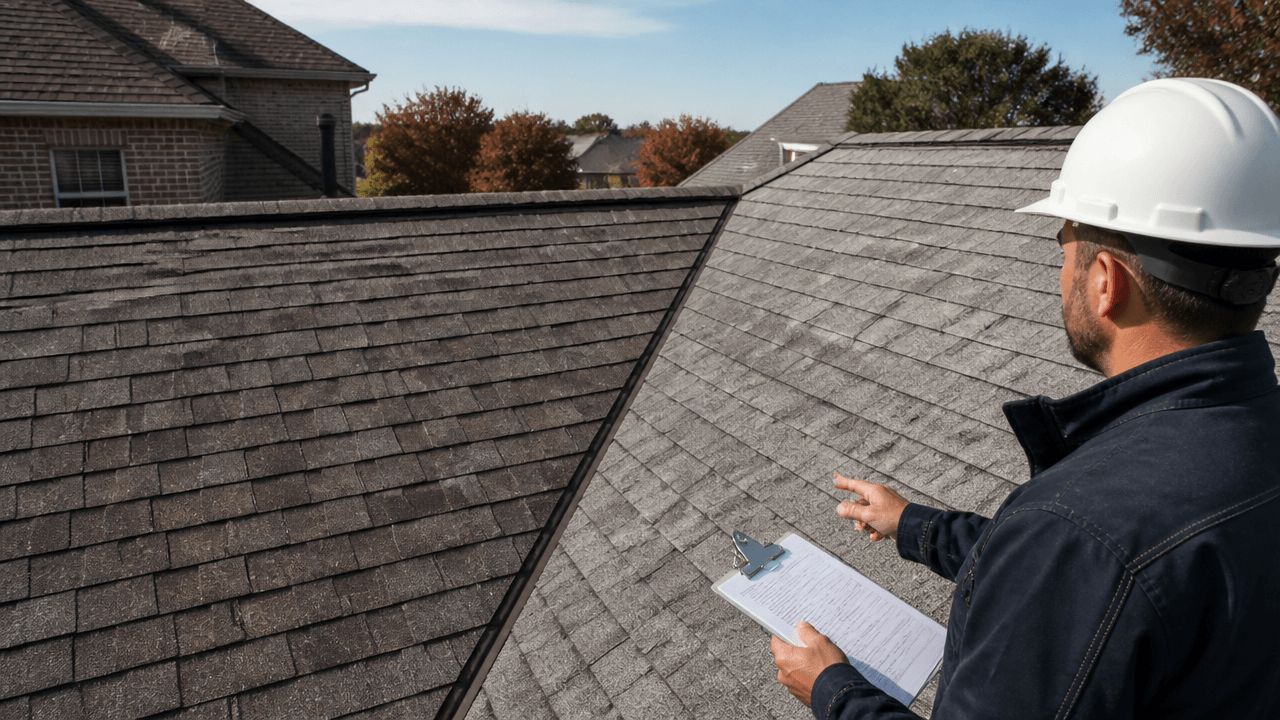
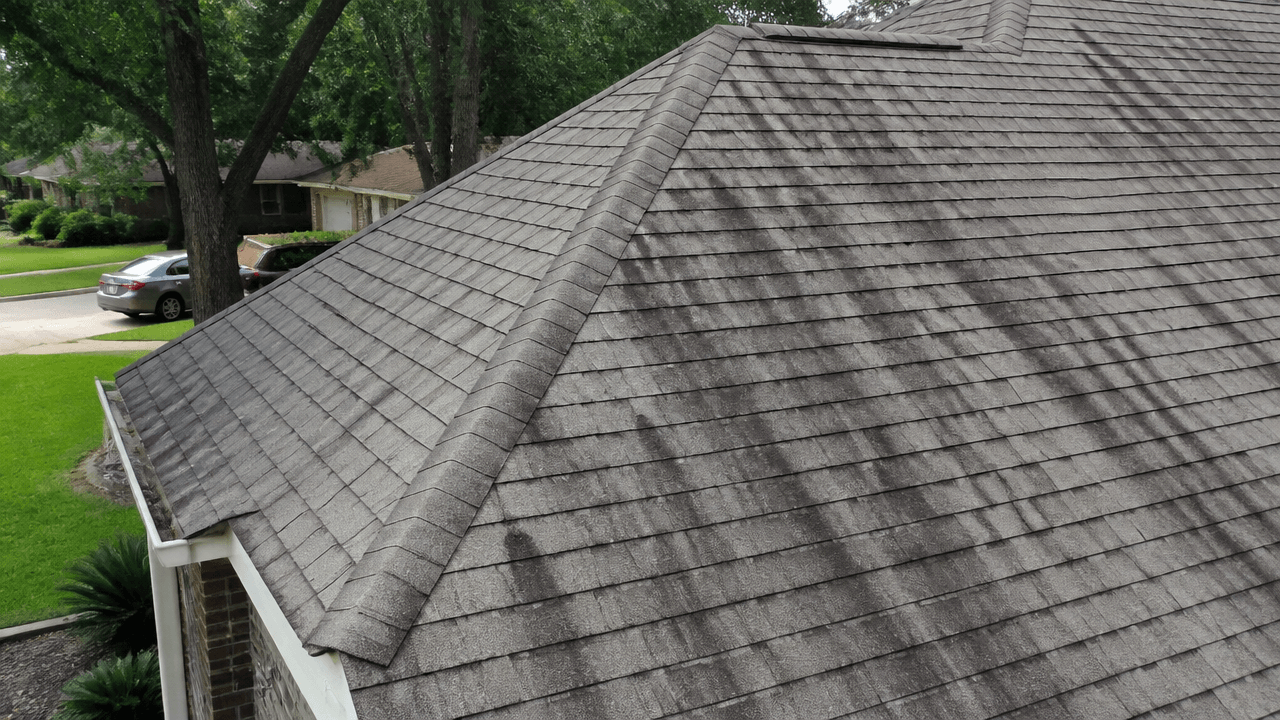
When examining your roof, keep an eye out for the blatant tells of deterioration: shingles that have curled at the edges or have slid from their sanctuary to expose bare roof decking. Cracks and tears are more than mere aesthetics; they are the pessimistic forecast of leaks to come. The wear and tear inflicted by Texas weather aren’t always dramatic — sometimes it’s the granules of asphalt found at the foot of your downspout that hint at the silent stripping above. An inspection routine, whether before the march of storm season or under the sweltering summer sky, could very well be the guardian that diverts disaster.
Attic Tales: Reading the Signs Hidden Above
The state of your attic insulation offers an unspoken narrative of how your home holds up under the Texan sun. Inadequate insulation might mean that your air conditioning is fighting a losing battle against heat, rivaling the winter’s chill that creeps in uninvited. An attic inspection can unveil if you’re sheltering a mere veneer of protection or a robust barrier that serves as your home’s thermic armor. Leading into the evaluation of attic insulation is not just about bracing for the temperature swings but curbing the attrition of your energy bills.
Embracing Professional Expertise
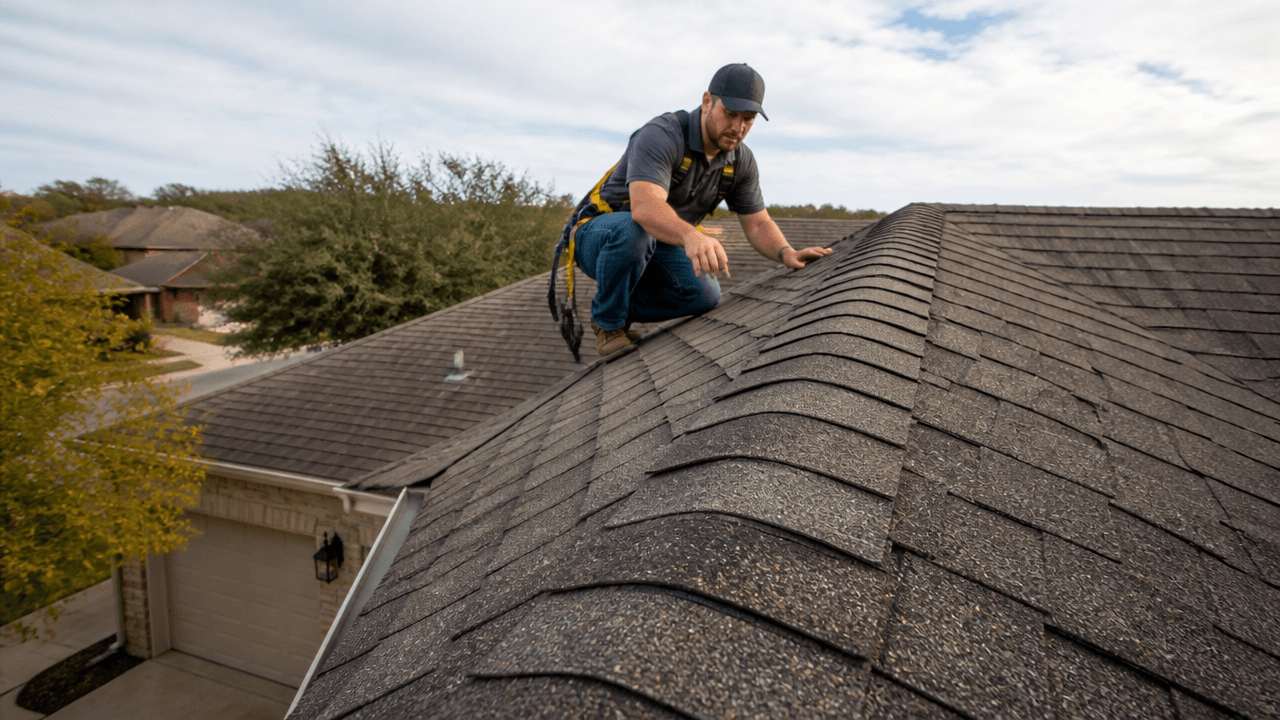
Even the most vigilant homeowner might miss what a trained eye can spot on a roof or in an attic’s insulation. It’s why scheduling a professional roofing inspection from a trusted company like Imperial Roofing is a critical step—especially in the wake of a Texas storm. These experts can identify issues ranging from subtle to severe that could escalate over time into costly repairs or replacements. They know exactly what weather-induced wear looks like and can provide a comprehensive plan to fortify your home against future weather events.
Proactive Maintenance: The Key to Longevity
The roof and insulation of your home are as critical to your comfort as they are to your safety. Ensuring they are in top condition is not just about immediate fixes but considering holistic, long-term strategies. This involves regularly checking for proper ventilation to extend the roof’s life and reviewing insulation for potential upgrades that could bolster resistance to Texas’s extreme weather. Addressing these areas promptly means securing not just the overhead cover but also the quality of life within.
Please note that the provided internal link should be used with appropriate anchor text related to “Imperial Roofing” per the user-provided URL. However, as specific anchor text was not directly provided in the user instructions, a general association was made. If you need precise anchor text to be used, please provide this information.
Step 1: Understand How Texas Weather Can Affect Your Roof
Become familiar with the unique weather patterns of Texas, including extreme heat, hailstorms, and occasional heavy rainfalls, and how each can impact the materials and integrity of your roof.
Step 2: Inspect Your Roof for Weather Damage Regularly
Perform a visual inspection of your roof to check for signs of weather-related damage such as missing shingles, cracks, or wear and tear that could indicate weakening roof health.
Step 3: Evaluate Your Attic Insulation
Assess the current state of your attic insulation to ensure it’s adequate for Texas’s variable climate, potentially preventing heat loss in winter and keeping your home cooler in summer.
Step 4: Schedule Professional Roof Inspections
Set up regular professional inspections, especially following the severe weather season in Texas, to ensure that detailed assessments are done to spot potential issues that might not be visible to the untrained eye.
Step 5: Ensure Proper Roof Ventilation
Verify that your roofing system has proper ventilation to combat Texas’s extreme heat, which can extend the life of your roofing materials and improve energy efficiency.
Step 6: Review and Upgrade Insulation if Necessary
Consider upgrading your insulation with materials suitable for withstanding Texas weather, which can enhance your home’s energy efficiency and durability against the elements.
Step 7: Address Repair Needs Promptly
Follow up on any identified repairs quickly to prevent minor damage from escalating into significant and costly problems, especially before the onset of the Texas storm season.
Step 8: Plan for Long-Term Roofing and Insulation Solutions
Investigate long-term roofing and insulation solutions that are specifically tailored for withstanding the challenging Texas climate, to protect your home and enhance its energy efficiency year-round.
Avoiding Common DIY Roofing and Insulation Mistakes
In the quest to protect our homes from the harsh Texas elements, eagerness can sometimes lead to oversights. Homeowners may attempt to tackle roofing and insulation adjustments themselves, but without the necessary knowledge and precautions, this can lead to costly errors. Below, we outline some common missteps to steer clear of, ensuring your DIY efforts enhance, rather than compromise, the integrity of your roof and insulation.
Mistake 1: Neglecting Regular Inspections
Many folks wait for a leak to appear before checking their roof, a practice which often leads to extensive and expensive damage. Regular, thorough inspections can catch minor issues before they escalate into major ones. It’s crucial to perform inspections particularly after extreme weather events end, which are notorious for causing unnoticed wear and tear.
Mistake 2: Improper Attic Insulation Evaluation
A frequent DIY oversight is inadequately assessing the state of attic insulation or using incorrect materials for the job. Insulation must cater to Texas’s variable climate; else it fails to do its job effectively. Correctly evaluating your attic’s insulation requires an understanding of R-values and the types of insulation best suited for your particular home and climate.
Mistake 3: Inadequate Ventilation
Roofs need to breathe, and improper ventilation can lead to heat and moisture buildup, significantly reducing the roof’s lifespan. Many DIYers forget to ensure that their roof has adequate ventilation to face the Texas heat. Effective ventilation systems play a key role in not just maintaining the proper temperature but also in preventing moisture-related problems like mold and structural weakening.
Mistake 4: Delaying Minor Repairs
It’s all too common to postpone minor repairs which seem insignificant at the moment. However, in the volatile Texas weather, a small issue can rapidly become a disaster. Addressing repairs promptly isn’t just advisable; it’s a necessity for avoiding bigger problems when the weather takes a turn for the worse.
Mistake 5: Overlooking Long-Term Solutions
Some may opt for quick fixes for roofing and insulation issues rather than investing in long-term solutions. While quick fixes may offer immediate relief, they often don’t stand up to the changing Texas climate. Researching and investing in durable materials and solutions can save money and headaches in the long run, enhancing the home’s resilience and energy efficiency.
Durable Solutions: Roofing and Insulation for Texas
Continuous exposure to Texas weather demands resilient roofing and insulation solutions tailored to withstand the test of time. By choosing the right materials and installation methods, you can protect your home from the state’s extreme conditions. Investing in quality also means enhancing the overall energy efficiency and comfort within your Plano home.
Final Considerations: Beyond Immediate Repairs
Maintenance and inspection are crucial, but there’s also merit in long-term planning. Consider how advancements in materials and technology can offer better protection against future weather challenges. Embracing these solutions translates to peace of mind, knowing your home is prepared to weather whatever comes its way.