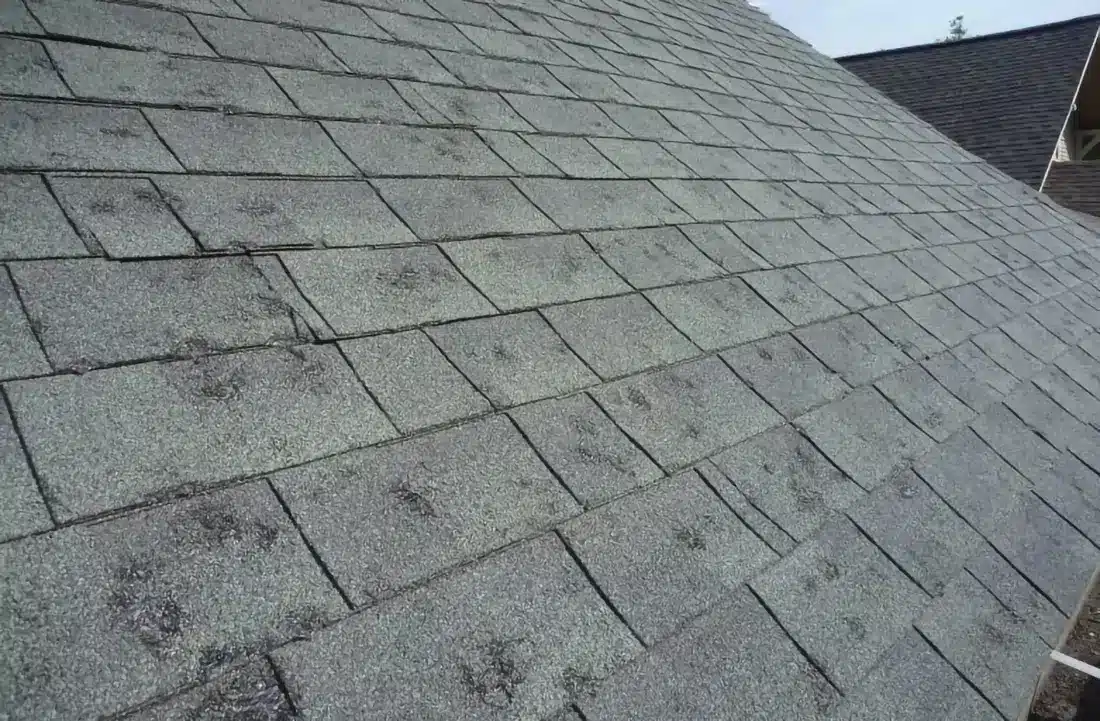
Stay away from downed power lines, standing water, and visibly damaged structures. Do not climb onto a damaged roof under any circumstances. If structural damage is severe, evacuate and call emergency services before assessing property.
Cover broken windows, place tarps over exposed areas where safe to do so, and move valuables away from active leaks. Most Texas homeowner's insurance policies require you to take reasonable steps to prevent additional damage — document everything before and after.
Photograph and video every angle of damage — roof, gutters, siding, interior ceilings, walls, and any debris. Capture wide shots for context and close-ups for detail. Include timestamps and don't move or discard any damaged materials before documentation is complete.
Contact your insurance provider as soon as possible to report the damage and begin the claims process. Ask about your deductible, coverage limits, required documentation, and filing deadlines. Most policies have time-sensitive windows — delays can reduce or void coverage.
A certified roofing contractor can identify hidden damage invisible from the ground — compromised underlayment, weakened decking, lifted flashing, and internal moisture intrusion. Professional documentation strengthens your insurance claim significantly.
Choose a licensed, insured Texas contractor with storm restoration experience — not a storm chaser passing through. A reputable local company will coordinate with your insurance adjuster, provide warranty-backed work, and stand behind the results.